
Archive for the ‘Student Issues’ Category

Mental Health Behind the “Perfect” Image

Tuesday, June 23rd, 2026
Photo by Polina Makarova. Arriving in New York City.

One of the biggest things I have learned during college is that people are often struggling with things you cannot see. Looking around campus, it can seem like everyone has their life together. Students are balancing classes, internships, clubs, social events, and future plans. Social media makes it look even more convincing. People post their achievements, exciting experiences, and happy moments, creating the impression that everything is going perfectly.

For a long time, I believed I was the only one feeling overwhelmed.

When I first moved from Russia to the United States, I put a lot of pressure on myself. I wanted to do well academically, make friends, adapt to a new culture, and build a life in New York City. At the same time, I was dealing with homesickness, uncertainty, and the emotional challenges that come with starting over in a completely new environment.

There were days when everything felt exciting. I was exploring the city, meeting new people, and experiencing things I had dreamed about for years. But there were also days when I felt lonely, anxious, and unsure of myself. What made it difficult was that I often felt like everyone else was adjusting better than I was.

Social media played a big role in that feeling.

Whenever I opened Instagram, it seemed like everyone was having the perfect college experience. People posted photos with large groups of friends, exciting internships, beautiful apartments, and busy social lives. Meanwhile, I was often sitting in my dorm room missing home or worrying about classes. It became easy to compare my reality to other people’s highlight reels.

Over time, I realized that social media only shows a small part of someone’s life. We see the internship announcement but not the rejected applications. We see the smiling group photo but not the loneliness that may exist behind it. We see achievements, but we rarely see the stress, anxiety, or self-doubt that often come before them.

The more people I got to know, the more I realized that everyone is dealing with challenges of their own.

Some students struggled with anxiety. Others felt pressure from family expectations. Some worried about finances, relationships, or their future careers. Even the people who appeared the most confident often had insecurities that nobody else knew about. Many of us were experiencing similar feelings but keeping them to ourselves.

College can sometimes create unrealistic expectations. There is often pressure to be productive all the time. It can feel like you should always be studying, networking, exercising, socializing, and planning for your future. While ambition can be a good thing, constantly feeling like you need to do more can quickly become exhausting.

Eventually, I learned that taking care of my mental health was just as important as achieving academic success.

For me, that meant creating small routines that helped me feel more balanced. Going for walks around New York City, spending time with friends, focusing on hobbies, limiting social media when it became overwhelming, and allowing myself time to rest all made a difference. These habits did not solve every problem, but they helped me manage stress in a healthier way.

I also learned that it is okay to ask for support. During difficult moments, talking to family members, friends, professors, or other people I trusted helped me feel less alone. Sometimes simply sharing what you are going through can make a situation feel much more manageable.

Looking back now, I wish I had spent less time comparing myself to other people. Everyone’s journey looks different, especially in college. Some people adjust quickly, while others need more time. Some people seem confident on the outside while quietly struggling on the inside. The truth is that nobody has everything figured out.

One of the most important lessons I learned is that mental health deserves the same attention as physical health. Taking care of yourself is not a sign of weakness or laziness. It is a necessary part of growth. College is not only about academic achievements and future careers. It is also about learning how to take care of yourself while navigating change, uncertainty, and personal growth.

Takeaway

Social media and college culture can sometimes create unrealistic expectations and make it seem like everyone else has life figured out. In reality, many students experience stress, anxiety, loneliness, and self-doubt. Prioritizing mental health, creating healthy routines, and remembering that nobody is perfect can make the college experience healthier, more balanced, and more enjoyable.


Looking for a quick and customizable meal near campus? Pokeworks Union Square offers fresh poke bowls, salads, and burritos with a wide selection of proteins, toppings, and sauces. Students can join the Pokeworks Rewards program to receive $5 off and earn rewards on future visits.

By Polina Makarova

Polina Makarova is an English Literature major at Pace University and a Publishing Intern at Campus Clipper. Originally from Russia, she writes about student life, wellness, fashion, and personal growth while navigating college life in New York City.


For over 25 years, the Campus Clipper has helped college students in New York City—and later in Boston and Philadelphia—save money and succeed in city life. We offer a digital coupon booklet with discounts on food, clothing, and services, plus an Official Student Guidebook with real advice on how to navigate college life in a big city. Our internship program lets students build skills, earn money, and publish their own e-books. Follow us on Instagramand TikTok @CampusClipper, and sign up for our newsletter to get deals straight to your inbox. To access the digital coupons, scan the QR code on our printed card—available in dorms, student centers, and around campus.


Share

Confidence and Self Image in College

Tuesday, June 16th, 2026
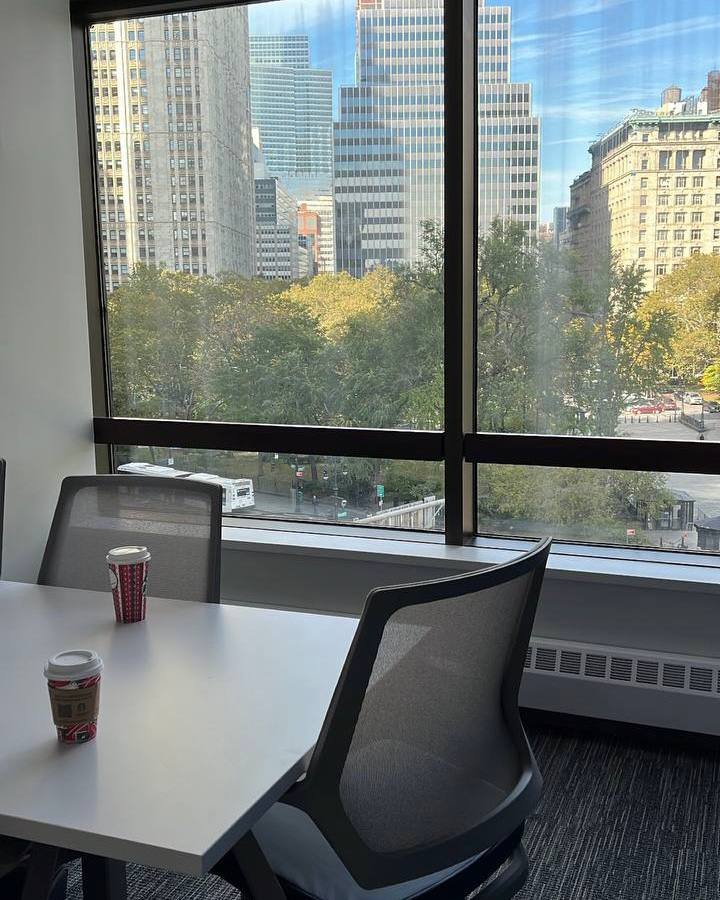
Photo by Polina Makarova. A view from a study space in New York City.


Back then, beginning my time at university, I believed self-assurance came naturally – or not at all. Certain classmates appeared calm in any setting, as if belonging without effort. Their voices stayed steady during discussions; friendships formed around them like weather patterns. Watching closely, one might guess doubt never crossed their minds.

Spending more time in college slowly showed me how common confidence issues really are. What stands out is not the struggle itself, but how quietly it’s carried. Beneath cheerful faces, online updates, and packed calendars, doubt often lingers. Comparisons creep in. Pressure builds. Most keep it hidden. A few admit it. Many feel alone while surrounded by others.

Back in those days, living abroad made everything feel heavier. Moving across borders meant facing unfamiliar ways of life, classrooms that worked differently, routines without comfort. At times, doubt crept in – did I really fit here? Conversations carried hidden risks; one misstep could mark me as an outsider. Confidence rarely matched the ease others showed. During that time, I often felt uncertain about where I belonged.

Looking at social media made things worse. Everyone appeared to be living an ideal college life. Photos showed big circles of friends, impressive internships, top scores – effortless wins on display. My reality never matched those edited snapshots others chose to share.

Slowly, it became clear – measuring myself against others drained my self-assurance quickly. Whenever attention shifted to peers, my achievements felt smaller somehow. Everyone comes to college with different experiences, backgrounds, and challenges. People have different goals and are on different paths. Matching timelines across such distinct lives brings little value most times.

Success often came, not from comparison, butyet from noticing little wins. A strong mark on homework sometimes counted. At other moments, it was saying a few words during discussion, starting a conversation with a stranger, or managing stress after a long stretch of work. Slowly, these steps added up. Confidence grew without force.

One experience that helped build my confidence was getting involved outside of the classroom. At first, I often hesitated to apply for opportunities because I worried that I was not experienced enough or that someone else would be more qualified. Eventually, I realized that many students feel the same way. Applying for internships, joining new projects, and putting myself in unfamiliar situations helped me become more confident over time. Every opportunity taught me something new and reminded me that growth often happens when you are willing to step outside of your comfort zone.

Turns out, being sure of yourself does not mean having every detail locked down. Earlier, I believed certainty required full control – everything sorted ahead of time. College shifted that view: complete understanding isn’t what drives confidence. Even the students who seem the most confident are still learning, growing, and making mistakes like everyone else.

Comfort in clothes sometimes made speaking up easier. Because I liked what I wore, joining discussions felt less difficult. Though outfits do not build confidence by themselves, they support feeling like your true self. How you dress might influence how freely you show who you are.

One thing stands out most: doing things builds belief in yourself. Each attempt at something unfamiliar adds to it. Stepping into unknown territory helps it grow. Trying what feels difficult shapes it further. This growth does not arrive overnight. Small actions pile up over time. Confidence grows when you continue trying new things and challenging yourself.

Now and then, uncertainty creeps in, even today. Nearly everyone experiences this at times. Yet what has shifted is how I interpret these feelings – not as setbacks, but as signs of change. College is not only about earning a degree. It is also about learning more about yourself and becoming comfortable with who you are.

Takeaway

Confidence in college does not come from being perfect or having everything figured out. It develops through experience, personal growth, and learning to stop comparing yourself to others. Everyone struggles with self-doubt at times, but confidence grows when you focus on your own journey rather than someone else’s.


Take a break from studying and recharge with a cup of coffee at Absolute Coffee. Sometimes even a small pause can help you reset and return with a clearer mind.

By Polina Makarova

Polina Makarova is an English and Literature major at Pace University with a minor in Journalism and Digital Storytelling. Originally from Russia, she writes about student life, identity, fashion, wellness, and adapting to life in a new country.


For over 25 years, the Campus Clipper has helped college students in New York City—and later in Boston and Philadelphia—save money and succeed in city life. We offer a digital coupon booklet with discounts on food, clothing, and services, plus an Official Student Guidebook with real advice on how to navigate college life in a big city. Our internship program lets students build skills, earn money, and publish their own e-books. Follow us on Instagram and TikTok @CampusClipper, and sign up for our newsletter to get deals straight to your inbox. To access the digital coupons, scan the QR code on our printed card—available in dorms, student centers, and around campus.

Share

Fashion as Personal Expression

Tuesday, June 9th, 2026

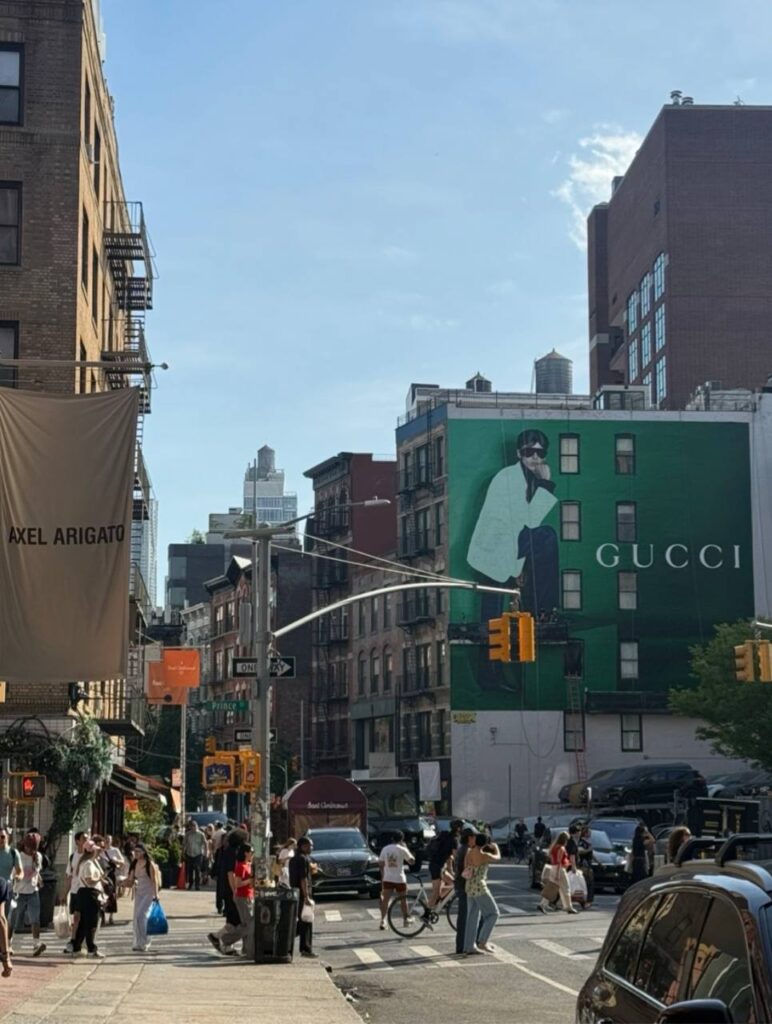
Photo by Polina Makarova. A street view in SoHo, one of New York City’s most fashion-focused neighborhoods.

Surprisingly, when people think about fashion, they usually think about trends, brands, or appearances. While fashion can certainly be those things, my relationship with it became something much more personal after moving to the United States. During a time when almost everything in my life felt unfamiliar, fashion became one of the few things that helped me stay connected to myself. Instead of simply following trends, what I wore became a reflection of who I was becoming.

Moving to a new country can make you question many parts of your identity. Suddenly, you are surrounded by different people, different social expectations, and a completely different environment. College can make this feeling even stronger because everyone seems to be figuring out who they are at the same time. While that can be exciting, it can also feel overwhelming.

When I first arrived in New York, there were days when I felt invisible. Adjusting to a different way of life took time, and fitting in did not happen overnight. Making friends was not always easy, and homesickness stayed with me longer than I expected. Some days I felt confident, while other days I felt uncertain about where I belonged. One thing I noticed, however, was that when I put thought into what I wore, I carried myself differently. It was never about impressing other people. It was about feeling more like myself.

During that period, many things felt outside of my control. I could not instantly adapt to a new culture. I could not make homesickness disappear overnight. I could not magically become comfortable in every social situation. But every morning, I could choose how I wanted to present myself. That small decision gave me a sense of confidence during a time when everything else felt uncertain.

Fashion became another form of self-expression. Some people express themselves through art, music, or writing. For me, clothing became a way to communicate parts of my personality that I sometimes struggled to put into words. Certain outfits made me feel more confident. Others reflected my mood or mindset. Sometimes even a simple accessory could make me feel more confident throughout the day. Different outfits reflected different moods and helped me express how I was feeling.

Over time, expressing myself through fashion became more natural and helped me feel more comfortable in my own skin. One of the things I love most about New York City is how people express themselves through fashion. Walking through the city, you see people expressing themselves in countless ways. Some people dress boldly and creatively, while others prefer a simpler style. There is no single “right” way to present yourself. Seeing that freedom made me more comfortable embracing my own style.

College can sometimes create pressure to fit in. Social media often makes that pressure even stronger. It is easy to compare yourself to carefully curated photos and feel like everyone else has everything figured out. Over time, I realized that confidence comes from being comfortable with yourself rather than trying to be like everyone else. The people who seemed most confident were often the people who were simply comfortable being themselves.

One of the most important things fashion taught me is that self-expression does not have to be expensive. Confidence is not determined by designer brands or the amount of money you spend on clothes. Some of my favorite outfits have been simple combinations of pieces that make me feel comfortable and authentic. Personal style feels most meaningful when it reflects who you are rather than trying to be perfect.

As time went on, fashion also became connected to my overall wellness. Of course, clothing cannot solve every problem, but taking the time to express yourself can have a positive impact on your confidence and mindset. On days when I put effort into getting ready, I often felt more productive, motivated, and positive. It was a small act of self-care that helped me start the day feeling more confident.

Looking back, fashion helped me navigate one of the biggest transitions of my life. It gave me confidence during uncertain moments and allowed me to express parts of my identity that I was still discovering. Even when so much around me was changing, fashion helped me stay connected to who I was. Most importantly, it reminded me that self-expression is not about impressing other people. It is about feeling comfortable enough to be yourself.

Takeaway

Fashion is often viewed as something external, but it can also be a powerful form of self-expression. During times of change and uncertainty, personal style can help people feel more confident, authentic, and connected to themselves. Sometimes the smallest forms of self-expression can make the biggest difference.


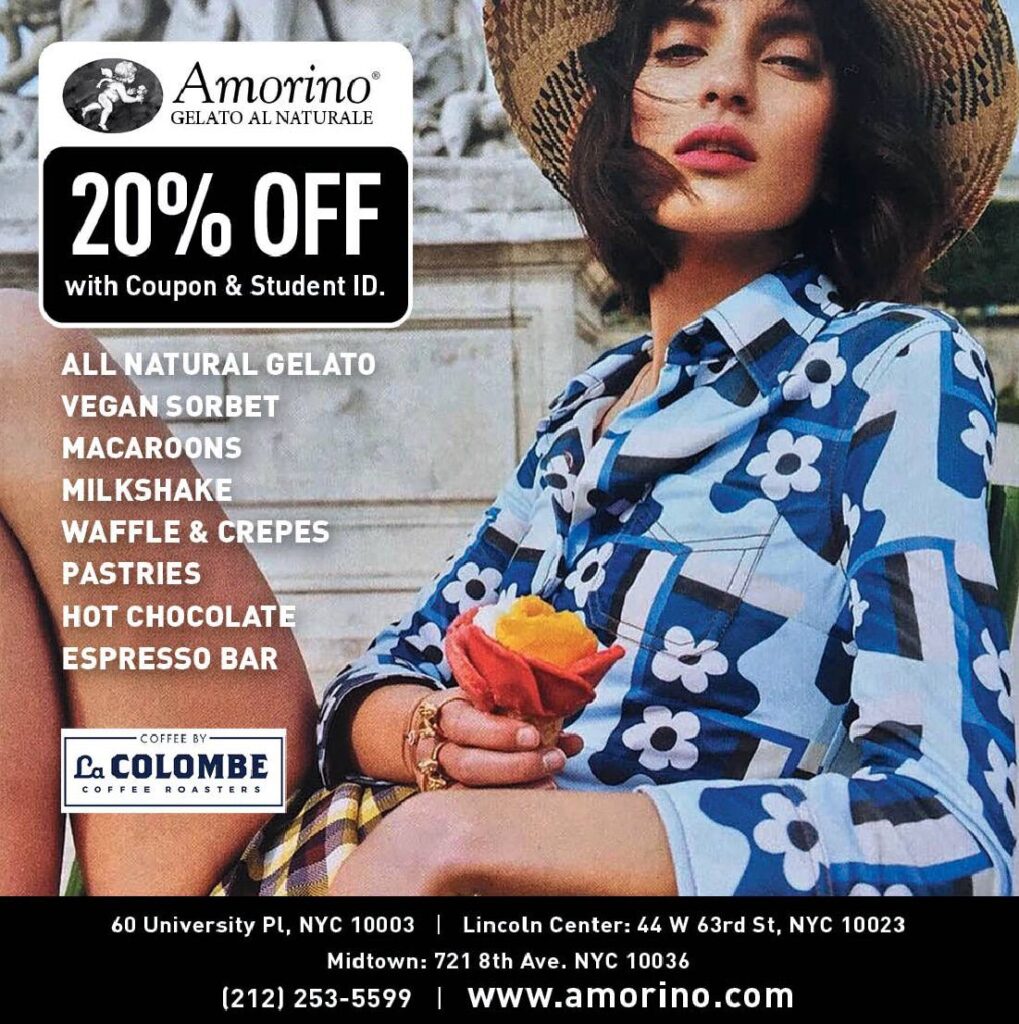
Use this student discount at Amorino and enjoy a sweet treat while exploring New York City. Sometimes a small break can be the perfect form of self-care during a busy semester.

By Polina Makarova

Polina Makarova is an English and Literature major at Pace University with a minor in Journalism and Digital Storytelling. Originally from Russia, she writes about student life, identity, fashion, wellness, and adapting to life in a new country.


For over 25 years, the Campus Clipper has helped college students in New York City—and later in Boston and Philadelphia—save money and succeed in city life. We offer a digital coupon booklet with discounts on food, clothing, and services, plus an Official Student Guidebook with real advice on how to navigate college life in a big city. Our internship program lets students build skills, earn money, and publish their own e-books. Follow us on Instagramand TikTok @CampusClipper, and sign up for our newsletter to get deals straight to your inbox. To access the digital coupons, scan the QR code on our printed card—available in dorms, student centers, and around campus.

Share

Starting Over in a New Country

Tuesday, June 2nd, 2026
Photo by Polina Makarova

Excitement fills the air when people talk about moving to another country, but underneath it can also feel stressful and lonely. When I moved from Russia to the U.S., I carried more than just luggage with me. I expected the hardest part to be the language or learning how to navigate a new city, but honestly, the hardest part was adjusting to a completely unfamiliar environment while also trying to figure out who I was becoming. That question stayed in my mind constantly.

At first, nothing felt completely comfortable. Grocery stores, classes, conversations, public transportation – even small everyday things felt overwhelming because I was always trying to adjust to a different rhythm. Some days I felt excited and confident, and other days I felt completely out of place. I think a lot of people who move to a new country experience this feeling, even if they do not always talk about it openly.

College life already comes with pressure, and adapting to a different culture at the same time can make it even harder mentally and emotionally. There is pressure to succeed academically, make friends, look confident, and act like everything is fine even when it is not. Social media also makes it easy to compare yourself to other students who seem completely settled and happy. Meanwhile, homesickness, anxiety, loneliness, and emotional stress quietly build up in the background. Even when surrounded by people, it is possible to still feel disconnected and far away from home.

Over time, I realized that small things could actually make a big difference emotionally. Fashion became one of those things for me. When everything around me felt unfamiliar, putting together an outfit that made me feel comfortable and confident could genuinely improve my mood. It may sound simple, but self-expression can really affect the way you feel mentally and emotionally.

For me, fashion was never really about impressing other people. It became a way to reconnect with

myself during a period where everything felt uncertain. Moving to a new place can make you feel like you are rebuilding your identity from the beginning. College already feels like a major life transition, but moving countries at the same time makes that feeling even stronger. You begin thinking more deeply about where you belong, how you want people to see you, and who you want to become.

I also learned that wellness is not always about perfect routines or always feeling motivated. Sometimes wellness simply means giving yourself time to adjust. Starting over can feel emotionally exhausting, and I think many students put pressure on themselves to adapt too quickly. Real growth takes time.

Little by little, I started creating routines that made me feel more grounded. Walking through New York City, focusing on school, building small self-care habits, spending time with supportive people, and expressing myself more confidently all helped me emotionally. I still experience stressful moments, but I’ve realized that moving to a new country does not mean losing who you are. It means learning how to grow while still staying connected to yourself.

Looking back now, moving to another country changed me in both difficult and positive ways. It made me more independent, emotionally aware, and understanding of myself. Even though the adjustment process was difficult, it taught me that confidence does not come from being perfect or fitting in immediately. Sometimes confidence simply comes from continuing to move forward even when everything around you feels unfamiliar.

Takeaway

Moving to a new country during college can feel emotionally overwhelming and isolating at times. Adjusting takes time, and it is important not to compare your journey to other people’s experiences. Small routines, supportive people, self-expression, and self-care can make a huge difference when it comes to mental health and confidence during major life changes.


Taking care of yourself is important, especially during stressful times. Use this student discount at Baya Bar and enjoy a healthy break while exploring New York City.

By Polina Makarova

Polina Makarova is an English and Literature major at Pace University with a minor in Journalism and Digital Storytelling. Originally from Russia, she writes about student life, identity, fashion, wellness, and adapting to life in a new country.


For over 25 years, the Campus Clipper has helped college students in New York City—and later in Boston and Philadelphia—save money and succeed in city life. We offer a digital coupon booklet with discounts on food, clothing, and services, plus an Official Student Guidebook with real advice on how to navigate college life in a big city. Our internship program lets students build skills, earn money, and publish their own e-books. Follow us on Instagramand TikTok @CampusClipper, and sign up for our newsletter to get deals straight to your inbox. To access the digital coupons, scan the QR code on our printed card—available in dorms, student centers, and around campus.

Share

Chapter 4: Another Kind of Growing

Thursday, July 3rd, 2025
Lunch with family on a random Sunday

Sometimes I wonder if I made the right decision to stay home for college. Honestly, I kind of regret it sometimes. I chose to stay because I wanted to be there for my parents. Coming from an immigrant family, I felt this responsibility, like my presence might make things easier for them, like I owed them that much after everything they had sacrificed. 

At first, it felt like the right choice. My parents were happy I stayed, and there was a kind of comfort in being home.  It felt easier in a way. I got to stay in my room, sleep in my bed, have my own routine, and just be the old me. I also liked being around if they needed help with something, like paperwork or errands, or even just to sit and talk. It felt like I was doing the right thing, for them and myself.

Over time, things started to feel different. Staying close meant I was there for everything. Not just the warm family dinners or quick chats in the kitchen, but also the tension, the arguments, the quiet disappointments. I don’t know exactly when it shifted, but once college started and I settled into my routine, I began noticing things I hadn’t before. The closer I stayed, the more clearly I saw them. Not just as my parents, but as people. I started seeing the cracks in how they speak, how they handle stress, how they show love, and how they fail every day.

The more I see, the more I want to run. Not because I don’t love them, but because I know them too well. 

Sometimes, I regret that I’m not growing the way others are. My friends who live on campus talk about doing their laundry at midnight, cooking instant noodles together, and pulling all-nighters in the library. They tell stories about navigating awkward roommate situations, learning how to budget, arguing with friends, and fixing it on their own. They’re learning how to be adults. 

I, on the other hand, come home to food that’s already made. I don’t worry about whether the laundry machine is available or if the communal bathroom is clean. I’m still someone’s child in this house, not quite my own person. And when I fight with a friend, I don’t go knock on their door two floors down and talk it out at 2 a.m. I just sit with it. Alone. 

There are times I want to tell my friends I made this choice for a reason. I stayed to help my parents, to be present, to save money. But still, I feel like I’m not becoming the version of myself I thought I’d be by now. I want to say all of this out loud, but I don’t.

Instead, I nod along when they talk about dorm drama and late-night adventures, even though I can’t relate. I laugh when they joke about bad dining hall food while I’m washing dishes at home. I say I’m doing great, even when I’m not sure what I’m doing at all. It’s easier that way. Less explaining. Less chance they’ll look at me with that mix of pity and confusion, like I’ve missed out on something I’m supposed to want.

And maybe I have. But I’ve also gained something they haven’t.

I’ve learned how to be there for people, even when it’s hard. I’ve learned how to show up every day—not just when I feel like it, but because someone depends on me. I’ve learned how to be still. How to be grounded when everything feels uncertain. Living at home hasn’t just kept me close to my family, it’s brought me closer to myself. I’ve noticed how my mom sighs differently when she’s tired versus when she’s disappointed. I’ve memorized the quiet routines that make this house function, the invisible labor that held my childhood together. I’ve gained the kind of strength that doesn’t announce itself. The kind that comes from choosing the hard thing, over and over, without anyone clapping for you. The kind that builds slowly, through early mornings, through uncomfortable silence, through the ache of watching life happen elsewhere.

It’s not loud. It’s not charming. But it’s mine. And one day, I think I’ll look back and realize this was a version of becoming, too. Just not the one I expected.


Get 15% OFF your next slice (or whole pie — we don’t judge). Swing by Pronto Pizza and treat yourself— because good pizza with a discount is a win-win.


By Marzia Seemat

Marzia Seemat is a sophomore at NYU studying civil engineering and creative writing. She loves being close to nature, especially at the beach. Her favorite things include good food, morning tea, hour-long movies, and spending time with the people she loves.


For over 25 years, the Campus Clipper has helped college students in New York City—and later in Boston and Philadelphia—save money and succeed in city life. We offer a digital coupon booklet with discounts on food, clothing, and services, plus an Official Student Guidebook with real advice on how to navigate college life in a big city. Our internship program lets students build skills, earn money, and publish their own e-books. Follow us on Instagram and TikTok @CampusClipper, and sign up for our newsletter to get deals straight to your inbox. To access the digital coupons, scan the QR code on our printed card, available in dorms, student centers, and around campus.

Share

The Mental Health Benefits of Being a Girl’s Girl

Thursday, March 20th, 2025

A few months ago, I wrote about how women perpetuating the patriarchy was taking a toll on me (as if it were new information). I was frustrated by the way I was being objectified by men and women alike, belittled and dumbed down into something along the lines of a rom-com side character scripted by Richard Curtis. I have lived long enough to know that when that happens, someone is simply projecting their own insecurities, but by god is it still so incredibly annoying. 

The truth is I don’t blame women, or men for that matter, for being insecure. The pressures we face today are unimaginable, and the standard of beauty and overall being is simply unattainable. If you’re not living off brand deals and traveling the world, are you really living? If you don’t have abs like Glen Powell, what kind of girl even wants you? And if you aren’t on the list of Forbes 30 Under 30, have you even found a purpose in life? It’s absurd what we compare ourselves to rather than appreciate all we’ve done. 

Societal pressure has left us all insecure at one moment or another, and it’s nothing to be ashamed of. The point is how we handle that insecurity of ours. Maybe you’re insecure about your body type because the world has told you it doesn’t compare to Charlie’s Angels, but does it really make you feel better to comment “Jeez, put on some meat” under an influencer’s bikini pic? I may not blame anyone for feeling like they don’t measure up from time to time, but I will 100% blame women for putting other women down just to feel good about themselves.

According to Her Campus, “A recent social media phenomenon, the term ‘girl’s girl’ is used to describe women who support other women through every aspect of their lives, and not just the women directly in their lives either.” To be a girl’s girl takes active work. It involves dismantling the competitiveness and insecurities society has propelled onto us, which can be incredibly difficult when it comes to things we’ve been taught all our lives. 

My mom: the ultimate girl’s girl

If you’ve been so fortunate as to have primarily healthy female friendships all your life, you may think to yourself, “Well, I know a lot of girl’s girls, and I thought most girls were girl’s girls, so just how many aren’t?” You’ll be interested to find that someone calls a woman a ‘slut’ or ‘whore’ on X (formerly Twitter) almost 10,000 times per day, and half of those comments are from women, a 2016 Washington Post study stated. More interestingly, The Workplace Bullying Institute found women bully other women up to 80% of the time. And if it couldn’t get worse, a 2020 study by the United Nations found that about 90% of men AND women “hold some sort of bias against women, providing new clues to the invisible barriers women face in achieving equality, and a potential path forward to shattering the Glass Ceiling.” The truth is, the world needs a LOT more actual girl’s girls, not just performances.

It’s important for us as women to remember that being a girl’s girl extends far beyond just watching another girl’s drink at the bar. It’s in the way we speak to each other, the way we act with each other, and the way we stand up for one another. It’s in the way we stop ourselves from falling into sexist rhetoric, from using gender as an insult, from objectifying each other more than we applaud one another. Like the scene from Mean Girls, I’m sure we could all raise our hands and admit we’ve said things we regret about another girl. You’d think, though, that once we reach Ms. Norbury’s age at the latest, all the weird ‘girl-on-girl crime’ would just… fizzle out? 

In our 20s, it seems to just take on more forms. A random back-handed compliment from a friend here, an insulting up-and-down glance from a stranger there, A humiliation fetish disguised as a joke everywhere! Not to mention, it’s SO second-hand embarrassing for me and for everyone I tell afterward (Yes, I will absolutely gossip about the hurtful thing you said to me. It’s my way of coping). You should see the grimaces and furrowed brows that glide over everyone’s faces, the cringes and widened eyes that follow suit, and the “Um wtf!” texts that fly in like clockwork. If non-girl’s girls knew they came off this way, would they change their ways, like Regina George? Or would they still play victim, siding with misogynists, calling women hormonal b-words? I’d like to think they can still be saved.

Tally: another ultimate girl’s girl

If we support one another, uplift one another, and stand up for one another, it won’t only make us better people, but actually make us feel better, too. A study from the National Institute of Health states, “Friendships among women can provide critical social resources and promote overall wellness, feelings of self-worth, and empowerment. Findings from studies that examine these relationships among women indicate that the quality of friendship support is more important than the mere number. Supportive friendships, which are characterized by intimacy, nurturance, loyalty, and prosocial behaviors, are associated with heightened psychological and physical well-being.” 

Being a supportive girl’s girl is so important, especially in a world that has always been and still is against women. Uplifting other women creates a sense of community, which means we’ll have more people to hear us out and learn from in times of need. Hyping up our friends and strangers also shifts our mindset away from toxic comparison, because life is hard enough without mentally competing in a game no one actually wins. Plus, acts of kindness release feel-good hormones, so we’re not just being nice—we’re chemically hacking our own brains into happiness. At the end of the day, why make enemies out of the very people who could be your biggest allies?

“I love my husband, but it is nothing like a conversation with a woman who understands you. I grow so much from those conversations.” – Beyonce

Boston Students! Get free chips and salsa at Chivo Taqueria in Cambridge!

Brenna Sheets is a graduate student in Emerson College’s Writing and Publishing M.A. program. Her hobbies include going on long walks, watching bad television, reading, and writing.

Share

“The Student Diet”

Friday, July 19th, 2024

This diet varies depending on many factors: income, cultural background, access to student discounts, eating habits, schedule, etc. However, the common denominator in at least the student body I have encountered is that we all eat poorly. The reasons, as mentioned above, can differ, yet we all struggle to keep a balanced diet during the semester. 

I noticed this in others before I became aware of it in myself. A friend told me once that all he ate during his years in college was pizza because he was “broke” and had no kitchen in his dorm. Another one said that the stress during the semester made her appetite go away, so she would barely eat, while others told me they would eat more during the stressful four months. Slowly, I noticed how my habits would shift while studying. I could go hours without eating or drinking water. Once I finished my homework, I would buy anything accessible at the time—normally fast food—and eat very late at night. It was impossible to know if the constant exhaustion my body felt was due to the lack of nurturing food, sleep, or time off. Whatever the reason, it was there, and I could see it in my classmates as well.

Image Credit: https://healthhabits4life.wordpress.com/2011/11/09/how-to-know-if-you-need-nutritional-help/

Paying out of pocket for the semester also influenced my meal choices. Since money was limited, fast food was all I could afford because healthier options are more expensive–unjustifiable in a student’s budget. Throughout college, I’ve learned that many students deal with income-related issues, including the struggle with time management to prepare home-cooked meals or lack a support system to cook for them. In this aspect, I was fortunate to rely on my husband to cook meals for me when I was at my busiest. One term, I organized my schedule with four classes each day, with only 15 minutes between each class. For some reason, I didn’t think about leaving time to eat lunch. Consequently, not only did I not have time to cook at home, but I also didn’t have time to buy food. Thus, he would meal-prep for my week, making sure to pack healthier snacks with my lunch. Thankfully, I had someone making sure I fed myself properly, but some students don’t have that luxury. 

The many factors that influence “The Student Diet” make it difficult to come up with a solution. It is the reality of many students, especially those with limited income and support. Some public colleges offer food assistance, but that doesn’t mean students have the time to cook, since many work more than one job. Even those that offer canned or microwavable food are still flawed since these are not healthier alternatives either. However, I think an important step to improve this pattern in students’ diet is awareness. Many of us are unaware of our eligibility for welfare programs such as the Supplemental Nutrition Assistance Program, which still doesn’t provide the time to cook meals but at least it could help with the expense of more nurturing foods. Additionally, more conscious choices when grocery shopping are important. Some small but powerful decisions I have made, for example, are buying more filling snacks that are still cheap (fruits, yogurt, nuts) and avoiding the chips at the vending machine. It has helped with boosting my energy in between classes, at least.

Image Credit: https://healthprofessions.ucf.edu/research/studies/diet-quality-and-student-academic-performance/

Changing this diet for any other is challenging; thus, we must be aware of what we can control and the assistance programs available to us. So many of those factors that make us fall into it are out of our control, but there are others we can have a say on. Ultimately, unhealthy food habits could impact our performance during the semester. It is harder for the brain to study when it is not well-nurtured. If our bodies are tired, our minds are too. I am still on this journey of making better decisions; hopefully, you can join me in making little yet empowering food choices and breaking the cycle of “The Student Diet.”


Enjoy a vitamin booster drink or bowl AND save some money while you do so with this coupon!

By Roxanna Cardenas

Roxanna is a Venezuelan writer living in New York City. Her works include essays, poetry, screenplays, and short stories. She explores fiction and non-fiction genres, with a special interest in horror and sci-fi. She has an A.A. in Writing and Literature and is working on her B.A. in English with a Creative Writing concentration.


For over 20 years, the Campus Clipper has been offering awesome student discounts in NYC,  from the East Side to Greenwich Village. Along with inspiration, the company offers students a special coupon booklet and the Official Student Guide, which encourages them to discover new places in the city and save money on food, clothing, and services.  

At the Campus Clipper, not only do we help our interns learn new skills, make money, and create wonderful e-books, we give them a platform to teach others. Check our website for more student savings and watch our YouTube video showing off some of New York City’s finest students during the Welcome Week of 2015.

Share

An Introduction to World-Saving: Prologue

Tuesday, July 9th, 2024

Admiring the blush blooming across the pinched cheeks of young tourists as they drink the cheapest red wine our Sicilian villa offers and the sloppy kisses they plant on their agape, laughing lips, I have unwillingly permitted several realizations to seep through my intermittent head throbs. It is my birthday tomorrow. I will turn twenty years old, and I have failed at living as a teenage girl. 

The finite potential I saved up for my teenage years, as if they were points to be redeemed at Dave & Busters or paid time off hours set aside for a short-lived vacation, has rotted and will wither in the next sun cycle to a place neither time nor I could catch it.

In retrospect, I’m grateful for the few parties I’d made appearances at, football games I’d stood in the back of, and crushes in class who had served primarily as muses for poetry but had not been of substantial importance as to break my freshman spirit. They would come later. I had snuck out of the house to meet boys, tried out for the softball team, and stuck my head out a sunroof under the cover of a tunnel. I had checked off the little things on the mental list I prepared in my pre-teens, yet coronavirus and the abnormal hardwiring of my mind had been the catalysts to my primarily online academic journey in the second half of high school. 

After a series of unfortunate events, I had been advised by school administration to not attend prom nor walk the stage for the mental safety of myself and physical safety of others, while the rest of my graduating class—mainly comprised of eerily similar Barbies and Kens clothed in milkmaid dresses and in suits of fine fabric from places I’ve never heard of—had thrown their crimson-colored caps at the peak of spring weather, and the following week rented beach houses the to consume liquor stolen from their equally plastic doll-like parents. 

I’d spent a few months isolated, experiencing ceaseless depression and feelings of ostracization. For my own wellbeing, I couldn’t leave the house nor use any electronics. If I had a visitor, which had only ever been my younger cousin or my close neighbor, they’d be screened for devices which had to be left at the foyer. 

I hadn’t been one to drop my schoolbooks and have an unassuming, charming upperclassmen retrieve them for me. Boys had not stolen glances at me in the halls. The cheerleaders had never sat with me for lunch. My hair had not been blown out on a bimonthly basis, instead it had been buzzed short because of my alleged depression and anxiety that ripped it off in thick clumps. I had lacked the blackout parties, spontaneous coastal trips, and urban explorations. With only myself to blame, I had chosen to remain cooped inside and ruminate over the potential I had, rather than pursue the efforts it would take to self actualize.

Then came university. In my first year, I splurged most of my money on lavish dinners, chic bodily adornments, and overpriced tickets to piano recitals. I invested my leisure time in projects I had no real passions for so as to be perceived as an intelligent, indestructible, and interesting woman. Months of precariously crafting a pristine and beautiful facade eventually proved futile, as the ostentatious exterior inevitably crumbled when I revisited my hometown and found myself disinterested in impressing my high school counterparts. 

Now I wear my well-loved clothes from senior year, detaching old memories and infusing new ones into their distressed sleeves and eclectic buttons. Deviating from saving money for elegant evenings amongst older company, I presently opt to expand my wunderkammer of vintage cameras and to purchase flights to cities I’d never thought to visit. The need to adopt a pretentious personality that fed on underground jazz artists and bled orchestral symphonies from the Renaissance dissipated. I could listen to mainstream rock and indie classics meant to make the young and stupid drunk on the liveliness they swell in. I began to savor the world again, like a little kid given their first dollar at a candy store. This abrupt but welcome thrill was the impetus for my drive to play a role in saving the world.

And so here is my epiphany. If we, the people that inhabit the world, hope to ensure this miraculous planet stays afloat in our universe, there are various key concepts we need to understand. We must adopt collectivist notions and realize that human beings have the shared responsibility of caring for the Earth. Those of us who are fortunate enough to have our basic needs met have the opportunity to take action toward creating a society where the needs of others are also fulfilled. 

Based on Maslow’s Hierarchy of Needs, it can be believed that if people had access to clean food, safe housing, and secure jobs, they would be more inclined to seek endeavors conceptualized by minds at their highest potential (Maslow 1943, 430). Perhaps if one were to add a genuine sense of belonging and community, coupled with a healthy self-esteem, to these people, they would truly self-actualize and choose to engage in methods of mending the world. Maybe if Oishee found authentic connection among her peers, she would be apt to start volunteering weekly at the communal food shelter. Maybe if Darrell earned a sufficient salary to avoid living paycheck to paycheck, he would begin smiling at strangers and gain the confidence to engage in small talk. Maybe if Jimena had scheduled therapy and developed a support system, she would willingly host fundraisers for mental health non-profits. 

We must note that kindness is not a panacea for all evils, but a tool in the grand scheme of it all. It is the simplest of seeds we can plant to prompt the growth of hectares of worldly goodness. Rarely do situations de-escalate when multiple parties are brash, hostile, and dismissive. My friends and partners learned, sooner than I, that setting boundaries whilst remaining gentle, patient, and loving is most effective in alleviating my stress and calming my anger. Of course, this does not work in cases where negotiations preventing the termination of a mass genocide built over the course of decades of history is at play. The principle still stands: looking out for our fellow people is the root of how society can be improved and earth can be healed. It can begin with a seed planted by one of us. 

This is a collection of experiences from my adolescence that have driven me to contribute towards sustaining this planet we hold dear. Motivation is everywhere and I think I have it in me to participate in  change-making agendas. Will you play a part in saving the world?

References 

Maslow, A.H. (1943). “A Theory of Human Motivation”. In Physiological Review, 50 (4), 430-437.

Ansorger, Jennifer. 2021. “An Analysis of Education Reforms and Assessment in the Core Subjects Using an Adapted Maslow’s Hierarchy: Pre and Post COVID-19” Education Sciences 11, no. 8: 376.


Share

Relationships with the City

Tuesday, July 9th, 2024

Making the move to college can be an incredibly overwhelming and stressful process, but moving to college in New York City can be even tougher! Just like that, you’re tossed into a bottomless melting pot full of cultures, people, religions, you name it! In the mix up of decorating your dorm and forming new relationships, it can be difficult to understand the major transition you’re going through. Building a community is much like building up a relationship from scratch. Though it’s the key to a successful transition to college, sometimes New York itself can feel unapproachable or oversaturated.

In order to learn how to approach the city, it’s crucial to understand it first. In an effort to better understand the culture of New York, I reached out to Professor Marry Rocco. As Director of Engaged Scholarship, Community Engagement and Inclusion at Barnard College, Professor Rocco holds extensive knowledge in the fields of urban planning and community development. Not only is Professor Rocco knowledgeable about urban studies in general, but she has also completed numerous research projects and programming centered around the New York City region. Professor Rocco’s background makes her the perfect authority to better understand what keeps New York’s gears turning. Only when you comprehend how the city functions are you then able to find your place in it. Somewhere amongst the thousands of gears, wheels, and cogs, there’s a missing screw that only you can fit in.

A Día de los Muertos Performance in front of the New York City Public Library at Grand Army Plaza. At the time, the library was paying homage to Jay-Z with Black Lives Matter and other Black themed decorations. An interesting intersection of communities, taken on 35mm film.

While you might be excited about living your New York City dreams to the max as soon as possible, it’s important to first recognize the intersecting communities that you are joining upon move-in day. Prior to leaving home, you’re already a part of a distinguished set of communities. Whether they are based on your racial identity, shared interests, or common beliefs, some communities will be easier to adjust to from previous experiences. On top of those, however, are a bundle of new communities that you are entering. It’s important to consider that you are automatically entering the New York City community as well as your university community. With so many different spaces to belong to, Professor Rocco suggested starting with your homebase. Before going out and exploring the fashion scene in SoHo or checking out the artists down in Bushwick, consider getting to know your own campus first. Make the most of your orientation week and walk around the neighborhood that your campus resides in. It’s important to use this time to acclimate yourself as a college student first and a city resident second. 

A community I’ve found at Columbia, my end of the year Aikido Club practice in Central Park.
Taken on 35mm film.

 According to Professor Rocco,  engaging with a community is like engaging with any other relationship. Like relationships with people, you must dedicate time and understanding to advance them. You don’t marry someone after the first date, you take the time to assess their personality and your compatibility. The same logic can be applied to entering a new community! Beyond whether or not you share any common characteristics that would enhance your addition to the given community, your approach and intention are major factors that play a role in how well received your transition may be. In our conversation, Professor Rocco called attention to the privilege of being able to toss around phrases like “I want to get involved in the Harlem community.” She stressed the importance of entering communities with a curious and open mind as opposed to intervening with a goal/idea in mind. Deliberation and consideration on all aspects of this new relationship are essential in developing into a valuable and appreciated community member.

Internalizing and implementing all of these ideas can help determine whether or not your experience will be pleasant, additive, or accepted. New York City is densely populated and intricately regionalized, but by approaching communities like other relationships, you can find your community wherever you may end up.


By Thomas Stewart

Thomas currently attends Columbia University and plans to double major in creative writing and human rights. At Columbia Thomas is a staff writer for the City News section of the Columbia Daily Spectator, where he publishes articles that concern the West Harlem community. In his free time, you can find him practicing music or trying new vegetarian recipes


First impressions are everything when it comes to making new relationships. Get 20% off at Daniel’s Barbershop with student ID and coupon to look fresh and clean for any new relationships you encounter!

For over 20 years, the Campus Clipper has been offering awesome student discounts in NYC,  from the East Side to Greenwich Village. Along with inspiration, the company offers students a special coupon booklet and the Official Student Guide, which encourages them to discover new places in the city and save money on food, clothing, and services.  

At the Campus Clipper, not only do we help our interns learn new skills, make money, and create wonderful e-books, we give them a platform to teach others. Check our website for more student savings and watch our YouTube video showing off some of New York City’s finest students during the Welcome Week of 2015.

Share

“You Online Shop Too Much”-My Mom, Probably

Friday, August 5th, 2022

If online shopping is so bad, then why is it so relaxing? Why is it so satisfying to fill my carts with all of the items that I want, knowing full well that I can’t afford the thousands of dollars of merchandise? Why does it bring me comfort to organize wish lists with things that I will probably never get around to buying? These are the million-dollar questions, I know.

In my first semester at college, I was probably ordering new clothes once a month. It was so convenient to ship them to my dorm, and it’s always fun to get a package when you’re at school, even if you’re the one sending it. However, I do have a habit of ordering clothes just to return them in the next week. My mom considers this a bad habit, but I consider it being fiscally responsible and making sure to get my money back whenever I order something that I don’t like or don’t need. To each their own.

A very high-quality mirror selfie of me trying on clothes that I ordered online in my dorm. We do not have a full-length mirror, hence the standing on the chair. Have to get creative sometimes.

Once the pandemic hit, the term “retail therapy” seemed to take on a whole different meaning. It was one of several ways to pass time during our days of isolation, but it also seemed like a way to stay connected with the outside world and brighten up your life by getting something new or treating yourself in whatever form that takes—whether it was new clothes (ironic, considering the furthest place I was going on an average day was to the kitchen downstairs), a new book to read, or a new appliance to try out. Much more convenient and safer than going shopping in-person, and much less work and cognitive energy being spent.

But, like many things in life, online shopping is not immune to corrupt business practices, ones that of course flourish in our capitalist system; ones that not only take advantage of employees that work in factories with egregious conditions and contribute to environmental destruction, but also manipulate us as consumers because they offer services that we are compelled to utilize.

Take Amazon, an example I’m sure we are all intimately familiar with. As a college student, Amazon is a lifesaver. Need a book for class immediately? It could come the next day. Need back to school supplies but don’t have access to transportation? Order it online and just walk to your mailroom to pick it up. Want to buy a coffee machine but don’t know which ones are the best to buy? Look at the reviews and have it in two days. It’s easy, it’s quick, it’s affordable, and the products are usually very good quality.  

The cost, of course, is more than just the price of the item. The cost is that you are compelled to take part in a system that is as dangerous as it is convenient: employees are being pushed to the brink to work faster in unsafe working conditions, they are kept in the dark about COVID-19 and put at a greater risk for it, they work more than 60 hours a week, and they have to commute two or three hours to get to work, just to name a few of the many issues cited by Justine Medina and Brett Daniels, who are members of the organizing committee for Amazon’s Labor Union in Staten Island.

The same thing goes with fast fashion, “the mass production of cheap, poor quality, disposable clothing.” College students are very susceptible to fast fashion from companies like Shein, who take advantage of a person’s inclination to spend less money while still trying to keep up to date with fast-evolving trends. We see people our age everyday get on TikTok to take us through their shopping hauls, and it makes us want to go out and spend our money to do the same. Shein though, unlike Amazon, usually does not have as good-quality products and is very hit or miss, which personally gives me more of a reason not to shop there. I ordered from Shein one time freshman year, and out of the three items I kept, I have worn one of them exactly once. That is, of course, a perk of fast fashion—the clothes are so cheap that if you don’t wear them, you don’t feel guilty because it didn’t cost you very much. But, that’s also why the cycle is so hard to break, as people are more inclined to dispose of their clothes faster (not usually through sustainable methods) and simply order more.

I want to be abundantly clear that this post isn’t meant for me to sit here on a pedestal, tell you where you can and can’t shop, or make you feel bad. It’s more meant for myself—and hopefully others who feel similarly—to think through these pervasive problems and wonder where we can go from here. I still shop at Amazon and I don’t blame people who order from Shein because truly we are all just doing the best we can to try to save money and navigate a system that is inherently unfair at every step of the way.

I am caught between two schools of thought—on one hand, maybe individuals can try to be more aware of where they are shopping from and shop more sustainably. There are many good options, with the best probably being thrifting your items. Another good solution is to support more small businesses as opposed to large corporations, such as spending money on Redbubble (there is a student discount available!) or Etsy. I personally like buying clothes from American Eagle and Aerie, and I know they are beginning to make more products that are sustainable and eco-friendly.

Image credit: https://www.istockphoto.com/illustrations/sustainable-fashion

On the other hand, I also think that it is unfair to put the pressure on the individual and not the company—because yes, you could do your research and that would be great, but often we just don’t have the time or energy (especially during a global pandemic), and habits are hard to break. It feels like a losing battle, made worse by living through a time where we rely greatly on online shopping and companies like Amazon or Shein to get us the items we need in a safe, efficient manner. 

We debated this issue a lot in my ethics class last semester, and I still don’t really have an answer. I suppose the lesson here is to choose your battles when you can and recognize that making these choices can be difficult when there are many different factors at play and you aren’t in a position where you can spend more money on more expensive yet sustainable brands. Hopefully someday we can get to a place where the onus is not on us to do better, but for companies and brands to both recognize and actually care about the hurt they cause to both human beings and the environment, instead of just worrying about profits.

The good news is companies like the Campus Clipper are always looking for ways to help students save money and shop locally. For instance, if you’re looking to save 10% on art supplies, check out the coupon below and order from Blick Art Materials!


By: Katie Reed

Katie Reed is a senior at Villanova University studying English and Communication. She is in utter disbelief that she just admitted to being a senior. She loves to read, but has made barely a dent in the increasingly large pile of books on her bookshelf that she told herself she would read this summer. She hopes to enter a career in the editing and publishing industry.


For over 20 years, the Campus Clipper has been offering awesome student discounts in NYC,  from the East Side to Greenwich Village. Along with inspiration, the company offers students a special coupon booklet and the Official Student Guide, which encourages them to discover new places in the city and save money on food, clothing, and services. At the Campus Clipper, not only do we help our interns learn new skills, make money, and create wonderful e-books, we give them a platform to teach others. Check our website for more student savings and watch our YouTube video showing off some of New York City’s finest students during the Welcome Week of 2015.

Share