Surprisingly, when people think about fashion, they usually think about trends, brands, or appearances. While fashion can certainly be those things, my relationship with it became something much more personal after moving to the United States. During a time when almost everything in my life felt unfamiliar, fashion became one of the few things that helped me stay connected to myself. Instead of simply following trends, what I wore became a reflection of who I was becoming.
Moving to a new country can make you question many parts of your identity. Suddenly, you are surrounded by different people, different social expectations, and a completely different environment. College can make this feeling even stronger because everyone seems to be figuring out who they are at the same time. While that can be exciting, it can also feel overwhelming.
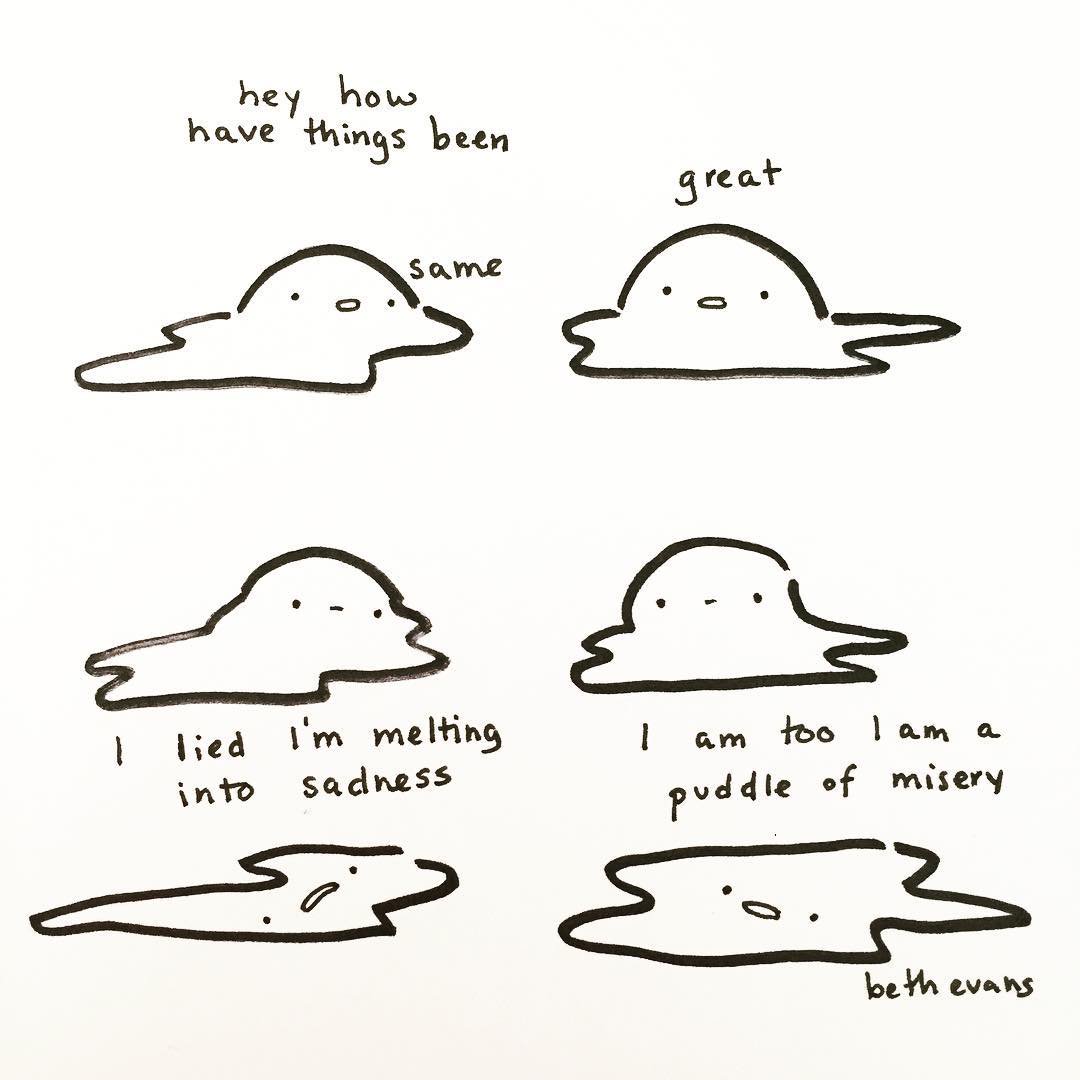
When I first arrived in New York, there were days when I felt invisible. Adjusting to a different way of life took time, and fitting in did not happen overnight. Making friends was not always easy, and homesickness stayed with me longer than I expected. Some days I felt confident, while other days I felt uncertain about where I belonged. One thing I noticed, however, was that when I put thought into what I wore, I carried myself differently. It was never about impressing other people. It was about feeling more like myself.
During that period, many things felt outside of my control. I could not instantly adapt to a new culture. I could not make homesickness disappear overnight. I could not magically become comfortable in every social situation. But every morning, I could choose how I wanted to present myself. That small decision gave me a sense of confidence during a time when everything else felt uncertain.
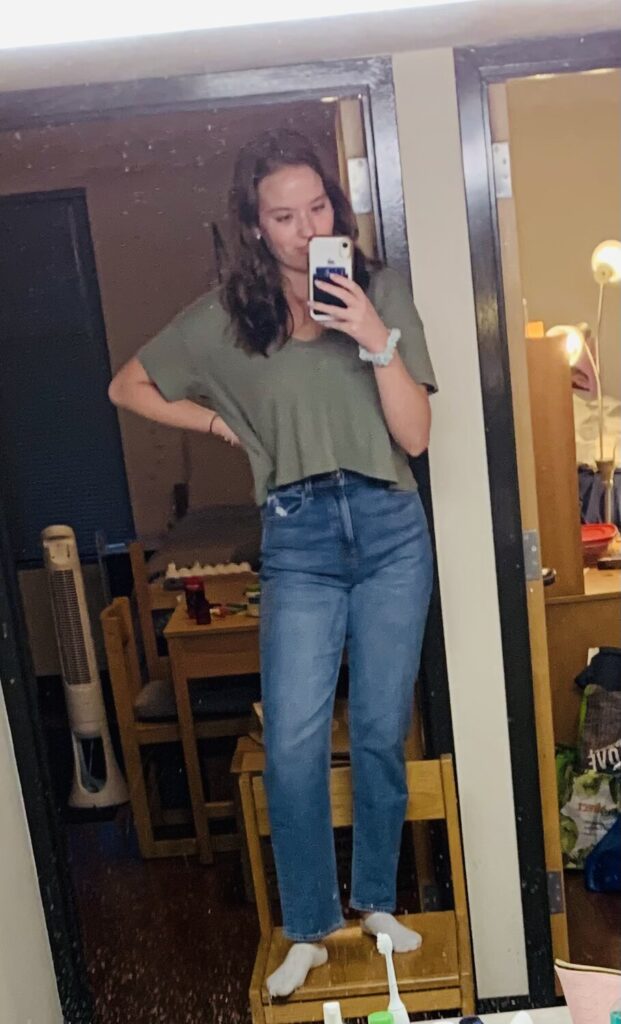
Fashion became another form of self-expression. Some people express themselves through art, music, or writing. For me, clothing became a way to communicate parts of my personality that I sometimes struggled to put into words. Certain outfits made me feel more confident. Others reflected my mood or mindset. Sometimes even a simple accessory could make me feel more confident throughout the day. Different outfits reflected different moods and helped me express how I was feeling.
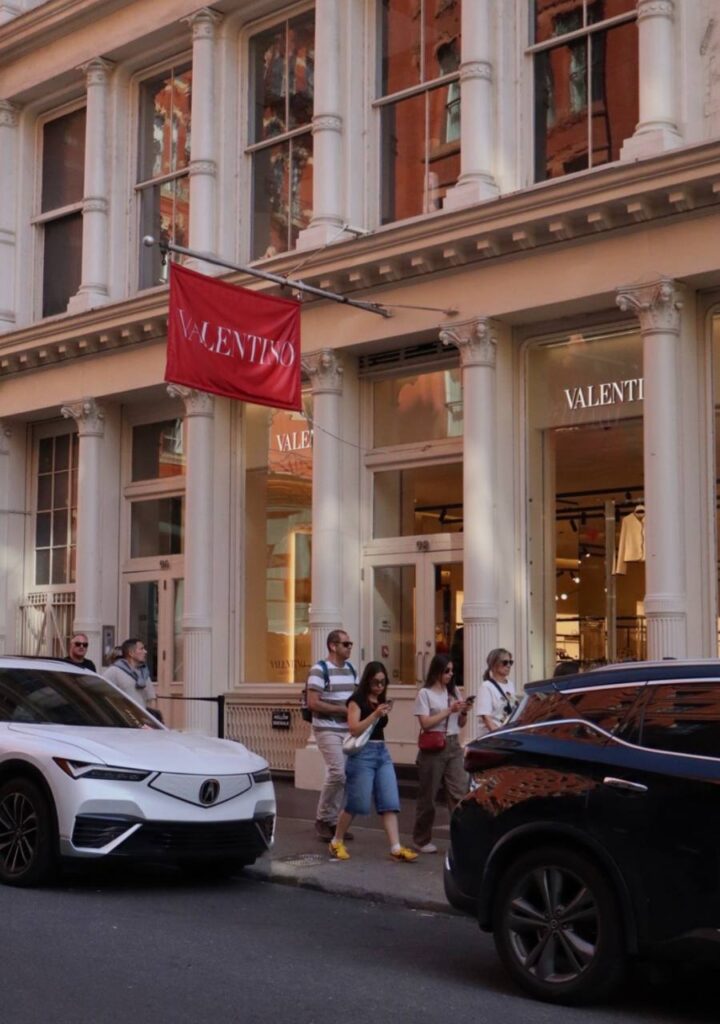
Over time, expressing myself through fashion became more natural and helped me feel more comfortable in my own skin. One of the things I love most about New York City is how people express themselves through fashion. Walking through the city, you see people expressing themselves in countless ways. Some people dress boldly and creatively, while others prefer a simpler style. There is no single “right” way to present yourself. Seeing that freedom made me more comfortable embracing my own style.
College can sometimes create pressure to fit in. Social media often makes that pressure even stronger. It is easy to compare yourself to carefully curated photos and feel like everyone else has everything figured out. Over time, I realized that confidence comes from being comfortable with yourself rather than trying to be like everyone else. The people who seemed most confident were often the people who were simply comfortable being themselves.
One of the most important things fashion taught me is that self-expression does not have to be expensive. Confidence is not determined by designer brands or the amount of money you spend on clothes. Some of my favorite outfits have been simple combinations of pieces that make me feel comfortable and authentic. Personal style feels most meaningful when it reflects who you are rather than trying to be perfect.
As time went on, fashion also became connected to my overall wellness. Of course, clothing cannot solve every problem, but taking the time to express yourself can have a positive impact on your confidence and mindset. On days when I put effort into getting ready, I often felt more productive, motivated, and positive. It was a small act of self-care that helped me start the day feeling more confident.
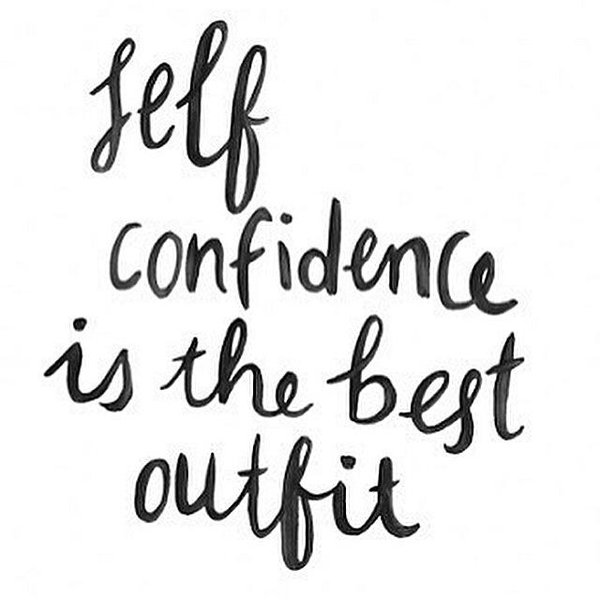
Looking back, fashion helped me navigate one of the biggest transitions of my life. It gave me confidence during uncertain moments and allowed me to express parts of my identity that I was still discovering. Even when so much around me was changing, fashion helped me stay connected to who I was. Most importantly, it reminded me that self-expression is not about impressing other people. It is about feeling comfortable enough to be yourself.
Takeaway
Fashion is often viewed as something external, but it can also be a powerful form of self-expression. During times of change and uncertainty, personal style can help people feel more confident, authentic, and connected to themselves. Sometimes the smallest forms of self-expression can make the biggest difference.
By Polina Makarova
Polina Makarova is an English and Literature major at Pace University with a minor in Journalism and Digital Storytelling. Originally from Russia, she writes about student life, identity, fashion, wellness, and adapting to life in a new country.
For over 25 years, the Campus Clipper has helped college students in New York City—and later in Boston and Philadelphia—save money and succeed in city life. We offer a digital coupon booklet with discounts on food, clothing, and services, plus an Official Student Guidebook with real advice on how to navigate college life in a big city. Our internship program lets students build skills, earn money, and publish their own e-books. Follow us on Instagramand TikTok @CampusClipper, and sign up for our newsletter to get deals straight to your inbox. To access the digital coupons, scan the QR code on our printed card—available in dorms, student centers, and around campus.