
As an incoming freshman, it can be very easy to overlook the impact of your first year on your entire undergraduate experience. Of course, we all know that the purpose of going to college is to earn a degree that will allow us to step into a well-paying, largely fulfilling, and even highly impressive career. However, along with these more pressing academic and professional challenges, students are also exposed to new social and personal demands, and how they choose to respond to all these importunities establishes the foundation for the rest of their four years.
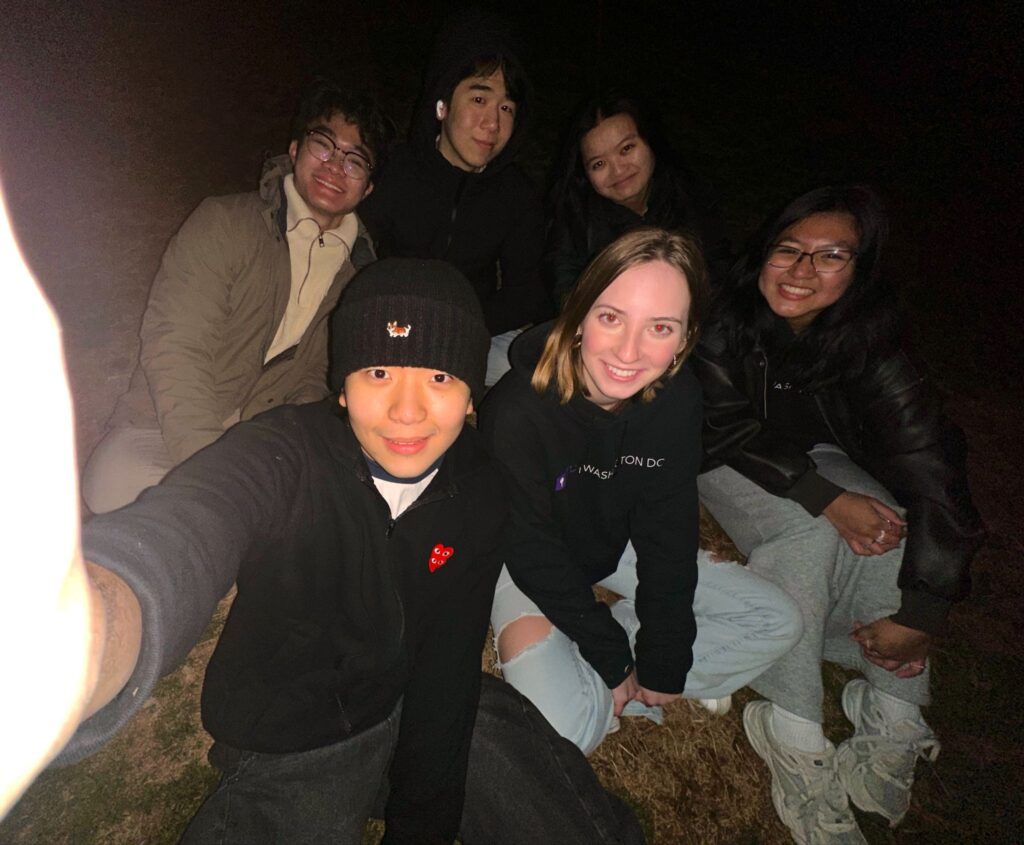
My own freshman year was fairly unusual and equally experimental. As someone who was admitted as a first-year Study Away student at NYU, I spent my first two semesters of college with a small cohort of about forty freshmen at the university’s Washington, DC site. Despite the one-building campus still donning the famous torch banner and offering residents access to the school’s academic, career, and mental and emotional well-being resources, the limited extracurricular opportunities, course options, and student population lead me to view my sophomore year—and my first year in New York City—as my true first year at NYU.
However, being in Manhattan introduced a fresh set of new-adult challenges. In late September, about a month after my 2025 fall semester kicked off, I experienced an intense and persistent immune system flare-up. Not too long afterwards, I decided to commit myself to my first romantic relationship, which also happened to be long-distance. While attempting to navigate these major life changes, I began to unintentionally isolate myself, and before I knew it, I had become caught up in a heavily routine and often unfulfilling day-to-day.

My point is not to ignore fluctuations in your physical health—which may be signals of discomfort or difficulty adjusting. Nor should you avoid untraditional first-year experiences or introducing highly impactful relationships to your life, since both may prove to be significant opportunities for growth. Rather, my advice is this: frame your expectations for your freshman year—and college as a whole—in terms of aspects of life that you want to prioritize. This will let you more easily adapt to inexpectancies and keep you from prematurely dismissing their value.
Unlike your goals, your priorities do not have to be distinctly defined. Though they can be, deciding you want to care for your overall health and well-being can be just as effective as making a pact with yourself to stick to a specific weight-loss diet or strength-training regimen. In fact, as a more indecisive individual, I have found that being less specific about my priorities helps me make decisions that better align with my more specific goals. By taking off the pressure to maximize time and avoid future regrets, the vagueness can actually aid you in working more productively and cohesively towards achieving your goals.
Your priorities may shift depending on the circumstances that arise in your four years. Heading into college, I had already determined that socializing, nurturing my already-formed friendships, job hunting, optimally studying, and making time for myself and my favorite pastimes would all be of great importance to me. I might have said that I was blindsided by the limited nature of NYU’s DC campus or by my health obstacles and love life developments, but these anomalies were truly opportunities to practice rebalancing my priorities.
My biggest mistake yet has been writing off my two “first years” before taking the time to reflect upon how they could inform my following years at NYU. In fact, thanks to the adjustments I faced in my freshman and sophomore years, I am going into my junior year believing that as a college student it is most important to prioritize building resilience for moments when even our best-laid plans go awry.
So, as you enter your freshman year, set yourself up for unpredictability. Decide which aspects of life you want to prioritize. Then, watch how making them the foundation of your decision-making allows you to appreciate even the most surprising circumstances—because at the end of your undergraduate career, it is not exactly what you did that will matter, but how fulfilled you feel.

By Lauren Gascon
Lauren Gascon studies Media, Culture, and Communication at NYU and enjoys discussing people’s relationships with each other and themselves. When she’s not on campus, you can find her café hopping, browsing bookstores, or enjoying lunch in one of New York City’s many beautiful parks.
For over 25 years, the Campus Clipper has helped college students in New York City—and later in Boston and Philadelphia—save money and succeed in city life. We offer a digital coupon booklet with discounts on food, clothing, and services, plus an Official Student Guidebook with real advice on how to navigate college life in a big city. Our internship program lets students build skills, earn money, and publish their own e-books. Follow us on Instagram and TikTok @CampusClipper, and sign up for our newsletter to get deals straight to your inbox. To access the digital coupons, scan the QR code on our printed card—available in dorms, student centers, and around campus.

Tags: freshman year, life decisions, planning, prioritization