Posts Tagged ‘New York City’

Fashion, Identity, and Reinventing Yourself

Monday, July 20th, 2026
Prada window display in New York City. Photo by Polina Makarova

Before moving to New York, I had always enjoyed fashion. I liked putting outfits together, experimenting with different combinations, and finding pieces that reflected my personality. It was something I genuinely enjoyed long before college, so when I moved to the city, that part of me did not disappear. If anything, New York encouraged it even more.

One of the things I noticed almost immediately was that nobody dressed the same. Walking to class every morning felt like watching hundreds of different stories pass by. Some people wore vintage clothing, others dressed almost entirely in black, while some looked like they had just stepped off a fashion runway. Every neighborhood had its own personality, and every person seemed comfortable expressing themselves in a different way.

Seeing that made me appreciate something I had never really thought about before. Fashion does not have to fit into one category. There is no single style that everyone should follow, especially in a city like New York. Instead of feeling pressure to dress like everyone else, I found myself becoming even more comfortable with my own style.

Over time, I also realized that personal style changes naturally as life changes. The clothes I wore during my first semester are different from what I wear now. Not because I was trying to become someone else, but because my interests have grown along with me. Sometimes I prefer simple outfits that feel comfortable during long days on campus. Other times I enjoy putting together something more creative when I have the time. My wardrobe has changed, just as I have changed throughout college.

One thing I enjoy most about fashion is that it allows people to express themselves without saying anything at all. You can often notice little details that reflect someone’s personality—a favorite color, a unique accessory, or a style they wear consistently. It reminds me that everyone has their own story, even if we never hear it.

Living in New York has also made me much more open-minded. I have seen people confidently wear things that I probably never would have imagined before moving here. Instead of thinking something looks unusual, I have learned to appreciate the creativity behind it. Fashion became less about following trends and more about celebrating individuality.

College itself is a time when many people discover new interests, meet people from different backgrounds, and experience things they never expected. I think personal style naturally becomes part of that journey. It grows alongside your experiences without you even realizing it. Looking back, I don’t think I reinvented myself after moving to New York. Instead, I became more comfortable showing the person I had always been.

One of my favorite parts of living in the city is simply observing people as I walk through neighborhoods like SoHo or around campus. Fashion has become part of what makes New York feel alive. Every outfit tells a different story, and every person adds something unique to the streets around them. That diversity reminds me that there is no right or wrong way to express yourself.

Looking back, I am grateful that I never felt like I had to completely change who I was after moving here. New York did not give me a new identity—it gave me the confidence to embrace the one I already had. Fashion remained something I loved, but it also became a reminder that the most authentic style is the one that feels natural to you.

Takeaway

Moving to a new city does not mean leaving your identity behind. College is a time of growth, and your interests and personal style will naturally evolve with new experiences. Instead of trying to fit into someone else’s idea of who you should be, allow yourself to grow while staying true to the things that already make you who you are.


Get $1 off your order at Kung Fu Tea with promo code CAMPUSCLIPPER1 through the Kung Fu Tea app.

By Polina Makarova

Polina Makarova is an English Literature major at Pace University and a Publishing Intern at Campus Clipper. Originally from Russia, she writes about student life, wellness, fashion, and personal growth while navigating college life in New York City.


For over 25 years, the Campus Clipper has helped college students in New York City—and later in Boston and Philadelphia—save money and succeed in city life. We offer a digital coupon booklet with discounts on food, clothing, and services, plus an Official Student Guidebook with real advice on how to navigate college life in a big city. Our internship program lets students build skills, earn money, and publish their own e-books. Follow us on Instagramand TikTok @CampusClipper, and sign up for our newsletter to get deals straight to your inbox. To access the digital coupons, scan the QR code on our printed card—available in dorms, student centers, and around campus.


Share

Balancing Wellness and College Stress

Monday, July 13th, 2026
Photo by Polina Makarova. Lower Manhattan, New York City.

When I first started college in New York, I thought being productive meant staying busy all the time. If I wasn’t studying, working on assignments, applying for internships, or planning something for the future, I felt like I wasn’t doing enough. Living in New York only made that feeling stronger. The city moves quickly, and it often feels like everyone around you is constantly working toward something.

At first, I tried to keep up with that pace. I would spend long hours studying, saying yes to every opportunity, and putting pressure on myself to make the most of every single day. While I enjoyed being involved, I slowly realized that constantly staying busy was also leaving me mentally exhausted. There were days when I felt guilty for taking a break, even if I really needed one.

One thing college has taught me is that being busy and being productive are not always the same thing.

I noticed that whenever I ignored my own well-being, everything else became harder too. I had trouble concentrating, small tasks felt overwhelming, and I enjoyed my classes much less than I normally would. At first, I thought the solution was simply to work harder, but eventually I realized that what I actually needed was balance.

For me, balance didn’t come from creating the perfect schedule or following a strict routine. Instead, it came from paying attention to small habits that made each day feel more manageable. Some mornings, that meant taking my time while getting ready instead of rushing out the door. Other days, it meant going for a walk through the city after class before sitting back down to study. Even stopping to grab coffee with a friend could completely change my mood after a stressful day.

Living in New York also reminded me that there is always something happening. It is easy to feel like you should always be doing more because there is another event, another opportunity, or another place to explore. Eventually, I learned that it is okay not to do everything. Sometimes the best decision is staying in, getting enough sleep, and allowing yourself to recharge without feeling guilty.

Another thing that helped me was learning to separate my self-worth from my productivity. It is easy to believe that your value depends on your grades, internships, or accomplishments. I felt that pressure too, especially during busy parts of the semester. Over time, however, I realized that success also includes taking care of yourself. Rest is not something you earn after finishing everything on your to-do list. It is something you need in order to do your best.

One habit that made a bigger difference than I expected was simply giving myself small breaks throughout the day. Instead of spending hours staring at my computer, I learned to step away for a few minutes, listen to music, call my family, or walk outside. Those short moments helped me return with a clearer mind and much more energy.

I also realized that everyone’s version of balance looks different. Some people enjoy planning every hour of their day, while others prefer a more flexible routine. What works for one student may not work for someone else. Instead of comparing my habits to other people’s, I started paying attention to what actually helped me feel healthy, motivated, and happy.

Looking back now, I still have stressful weeks. Midterms, deadlines, and internship applications can still feel overwhelming at times. The difference is that I no longer believe I have to sacrifice my well-being in order to succeed. Taking care of myself has become part of being successful, not something separate from it.

College is a time of growth, but growth is difficult when you are constantly running on empty. Learning to slow down every once in a while has made me a better student, a better friend, and a happier person overall.

Takeaway

College can be busy, exciting, and sometimes overwhelming. While it is important to work hard and pursue your goals, it is just as important to take care of yourself along the way. Small habits like taking breaks, getting enough rest, spending time with friends, and creating routines that work for you can make a big difference. Finding balance does not mean doing less—it means giving yourself the support you need to keep moving forward.


Fresh, healthy, and perfect for students!
Visit No Pulp Juices & Smoothies and save 20% OFF with your Campus Clipper coupon and student ID.

By Polina Makarova

Polina Makarova is an English Literature major at Pace University and a Publishing Intern at Campus Clipper. Originally from Russia, she writes about student life, wellness, fashion, and personal growth while navigating college life in New York City.


For over 25 years, the Campus Clipper has helped college students in New York City—and later in Boston and Philadelphia—save money and succeed in city life. We offer a digital coupon booklet with discounts on food, clothing, and services, plus an Official Student Guidebook with real advice on how to navigate college life in a big city. Our internship program lets students build skills, earn money, and publish their own e-books. Follow us on Instagramand TikTok @CampusClipper, and sign up for our newsletter to get deals straight to your inbox. To access the digital coupons, scan the QR code on our printed card—available in dorms, student centers, and around campus.

Share

Mental Health Behind the “Perfect” Image

Tuesday, June 23rd, 2026
Photo by Polina Makarova. Arriving in New York City.

One of the biggest things I have learned during college is that people are often struggling with things you cannot see. Looking around campus, it can seem like everyone has their life together. Students are balancing classes, internships, clubs, social events, and future plans. Social media makes it look even more convincing. People post their achievements, exciting experiences, and happy moments, creating the impression that everything is going perfectly.

For a long time, I believed I was the only one feeling overwhelmed.

When I first moved from Russia to the United States, I put a lot of pressure on myself. I wanted to do well academically, make friends, adapt to a new culture, and build a life in New York City. At the same time, I was dealing with homesickness, uncertainty, and the emotional challenges that come with starting over in a completely new environment.

There were days when everything felt exciting. I was exploring the city, meeting new people, and experiencing things I had dreamed about for years. But there were also days when I felt lonely, anxious, and unsure of myself. What made it difficult was that I often felt like everyone else was adjusting better than I was.

Social media played a big role in that feeling.

Whenever I opened Instagram, it seemed like everyone was having the perfect college experience. People posted photos with large groups of friends, exciting internships, beautiful apartments, and busy social lives. Meanwhile, I was often sitting in my dorm room missing home or worrying about classes. It became easy to compare my reality to other people’s highlight reels.

Over time, I realized that social media only shows a small part of someone’s life. We see the internship announcement but not the rejected applications. We see the smiling group photo but not the loneliness that may exist behind it. We see achievements, but we rarely see the stress, anxiety, or self-doubt that often come before them.

The more people I got to know, the more I realized that everyone is dealing with challenges of their own.

Some students struggled with anxiety. Others felt pressure from family expectations. Some worried about finances, relationships, or their future careers. Even the people who appeared the most confident often had insecurities that nobody else knew about. Many of us were experiencing similar feelings but keeping them to ourselves.

College can sometimes create unrealistic expectations. There is often pressure to be productive all the time. It can feel like you should always be studying, networking, exercising, socializing, and planning for your future. While ambition can be a good thing, constantly feeling like you need to do more can quickly become exhausting.

Eventually, I learned that taking care of my mental health was just as important as achieving academic success.

For me, that meant creating small routines that helped me feel more balanced. Going for walks around New York City, spending time with friends, focusing on hobbies, limiting social media when it became overwhelming, and allowing myself time to rest all made a difference. These habits did not solve every problem, but they helped me manage stress in a healthier way.

I also learned that it is okay to ask for support. During difficult moments, talking to family members, friends, professors, or other people I trusted helped me feel less alone. Sometimes simply sharing what you are going through can make a situation feel much more manageable.

Looking back now, I wish I had spent less time comparing myself to other people. Everyone’s journey looks different, especially in college. Some people adjust quickly, while others need more time. Some people seem confident on the outside while quietly struggling on the inside. The truth is that nobody has everything figured out.

One of the most important lessons I learned is that mental health deserves the same attention as physical health. Taking care of yourself is not a sign of weakness or laziness. It is a necessary part of growth. College is not only about academic achievements and future careers. It is also about learning how to take care of yourself while navigating change, uncertainty, and personal growth.

Takeaway

Social media and college culture can sometimes create unrealistic expectations and make it seem like everyone else has life figured out. In reality, many students experience stress, anxiety, loneliness, and self-doubt. Prioritizing mental health, creating healthy routines, and remembering that nobody is perfect can make the college experience healthier, more balanced, and more enjoyable.


Looking for a quick and customizable meal near campus? Pokeworks Union Square offers fresh poke bowls, salads, and burritos with a wide selection of proteins, toppings, and sauces. Students can join the Pokeworks Rewards program to receive $5 off and earn rewards on future visits.

By Polina Makarova

Polina Makarova is an English Literature major at Pace University and a Publishing Intern at Campus Clipper. Originally from Russia, she writes about student life, wellness, fashion, and personal growth while navigating college life in New York City.


For over 25 years, the Campus Clipper has helped college students in New York City—and later in Boston and Philadelphia—save money and succeed in city life. We offer a digital coupon booklet with discounts on food, clothing, and services, plus an Official Student Guidebook with real advice on how to navigate college life in a big city. Our internship program lets students build skills, earn money, and publish their own e-books. Follow us on Instagramand TikTok @CampusClipper, and sign up for our newsletter to get deals straight to your inbox. To access the digital coupons, scan the QR code on our printed card—available in dorms, student centers, and around campus.

Share

Confidence and Self Image in College

Tuesday, June 16th, 2026
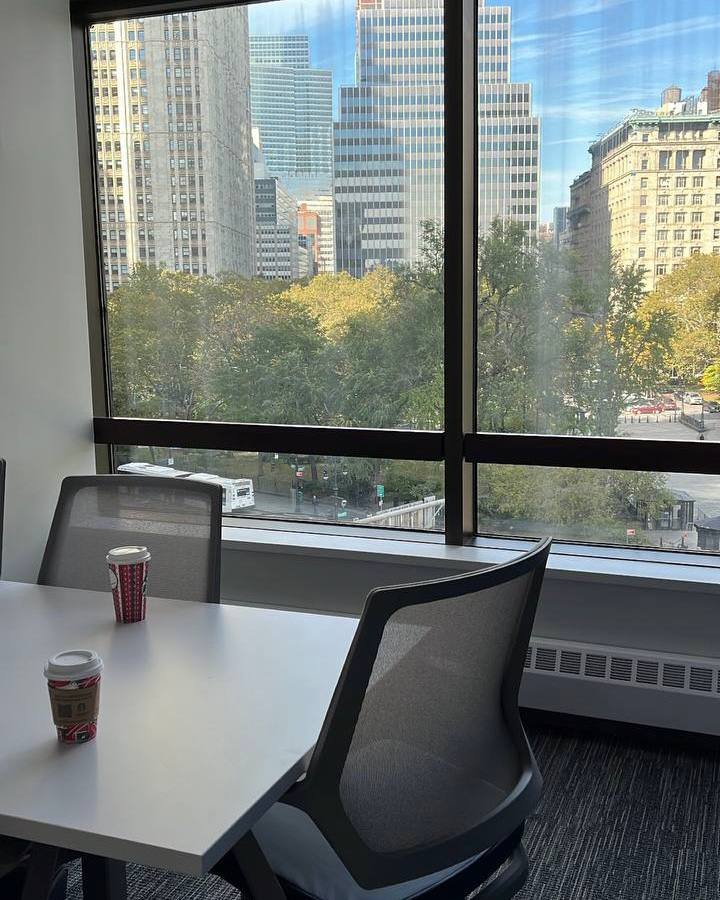
Photo by Polina Makarova. A view from a study space in New York City.


Back then, beginning my time at university, I believed self-assurance came naturally – or not at all. Certain classmates appeared calm in any setting, as if belonging without effort. Their voices stayed steady during discussions; friendships formed around them like weather patterns. Watching closely, one might guess doubt never crossed their minds.

Spending more time in college slowly showed me how common confidence issues really are. What stands out is not the struggle itself, but how quietly it’s carried. Beneath cheerful faces, online updates, and packed calendars, doubt often lingers. Comparisons creep in. Pressure builds. Most keep it hidden. A few admit it. Many feel alone while surrounded by others.

Back in those days, living abroad made everything feel heavier. Moving across borders meant facing unfamiliar ways of life, classrooms that worked differently, routines without comfort. At times, doubt crept in – did I really fit here? Conversations carried hidden risks; one misstep could mark me as an outsider. Confidence rarely matched the ease others showed. During that time, I often felt uncertain about where I belonged.

Looking at social media made things worse. Everyone appeared to be living an ideal college life. Photos showed big circles of friends, impressive internships, top scores – effortless wins on display. My reality never matched those edited snapshots others chose to share.

Slowly, it became clear – measuring myself against others drained my self-assurance quickly. Whenever attention shifted to peers, my achievements felt smaller somehow. Everyone comes to college with different experiences, backgrounds, and challenges. People have different goals and are on different paths. Matching timelines across such distinct lives brings little value most times.

Success often came, not from comparison, butyet from noticing little wins. A strong mark on homework sometimes counted. At other moments, it was saying a few words during discussion, starting a conversation with a stranger, or managing stress after a long stretch of work. Slowly, these steps added up. Confidence grew without force.

One experience that helped build my confidence was getting involved outside of the classroom. At first, I often hesitated to apply for opportunities because I worried that I was not experienced enough or that someone else would be more qualified. Eventually, I realized that many students feel the same way. Applying for internships, joining new projects, and putting myself in unfamiliar situations helped me become more confident over time. Every opportunity taught me something new and reminded me that growth often happens when you are willing to step outside of your comfort zone.

Turns out, being sure of yourself does not mean having every detail locked down. Earlier, I believed certainty required full control – everything sorted ahead of time. College shifted that view: complete understanding isn’t what drives confidence. Even the students who seem the most confident are still learning, growing, and making mistakes like everyone else.

Comfort in clothes sometimes made speaking up easier. Because I liked what I wore, joining discussions felt less difficult. Though outfits do not build confidence by themselves, they support feeling like your true self. How you dress might influence how freely you show who you are.

One thing stands out most: doing things builds belief in yourself. Each attempt at something unfamiliar adds to it. Stepping into unknown territory helps it grow. Trying what feels difficult shapes it further. This growth does not arrive overnight. Small actions pile up over time. Confidence grows when you continue trying new things and challenging yourself.

Now and then, uncertainty creeps in, even today. Nearly everyone experiences this at times. Yet what has shifted is how I interpret these feelings – not as setbacks, but as signs of change. College is not only about earning a degree. It is also about learning more about yourself and becoming comfortable with who you are.

Takeaway

Confidence in college does not come from being perfect or having everything figured out. It develops through experience, personal growth, and learning to stop comparing yourself to others. Everyone struggles with self-doubt at times, but confidence grows when you focus on your own journey rather than someone else’s.


Take a break from studying and recharge with a cup of coffee at Absolute Coffee. Sometimes even a small pause can help you reset and return with a clearer mind.

By Polina Makarova

Polina Makarova is an English and Literature major at Pace University with a minor in Journalism and Digital Storytelling. Originally from Russia, she writes about student life, identity, fashion, wellness, and adapting to life in a new country.


For over 25 years, the Campus Clipper has helped college students in New York City—and later in Boston and Philadelphia—save money and succeed in city life. We offer a digital coupon booklet with discounts on food, clothing, and services, plus an Official Student Guidebook with real advice on how to navigate college life in a big city. Our internship program lets students build skills, earn money, and publish their own e-books. Follow us on Instagram and TikTok @CampusClipper, and sign up for our newsletter to get deals straight to your inbox. To access the digital coupons, scan the QR code on our printed card—available in dorms, student centers, and around campus.

Share

Starting Over in a New Country

Tuesday, June 2nd, 2026
Photo by Polina Makarova

Excitement fills the air when people talk about moving to another country, but underneath it can also feel stressful and lonely. When I moved from Russia to the U.S., I carried more than just luggage with me. I expected the hardest part to be the language or learning how to navigate a new city, but honestly, the hardest part was adjusting to a completely unfamiliar environment while also trying to figure out who I was becoming. That question stayed in my mind constantly.

At first, nothing felt completely comfortable. Grocery stores, classes, conversations, public transportation – even small everyday things felt overwhelming because I was always trying to adjust to a different rhythm. Some days I felt excited and confident, and other days I felt completely out of place. I think a lot of people who move to a new country experience this feeling, even if they do not always talk about it openly.

College life already comes with pressure, and adapting to a different culture at the same time can make it even harder mentally and emotionally. There is pressure to succeed academically, make friends, look confident, and act like everything is fine even when it is not. Social media also makes it easy to compare yourself to other students who seem completely settled and happy. Meanwhile, homesickness, anxiety, loneliness, and emotional stress quietly build up in the background. Even when surrounded by people, it is possible to still feel disconnected and far away from home.

Over time, I realized that small things could actually make a big difference emotionally. Fashion became one of those things for me. When everything around me felt unfamiliar, putting together an outfit that made me feel comfortable and confident could genuinely improve my mood. It may sound simple, but self-expression can really affect the way you feel mentally and emotionally.

For me, fashion was never really about impressing other people. It became a way to reconnect with

myself during a period where everything felt uncertain. Moving to a new place can make you feel like you are rebuilding your identity from the beginning. College already feels like a major life transition, but moving countries at the same time makes that feeling even stronger. You begin thinking more deeply about where you belong, how you want people to see you, and who you want to become.

I also learned that wellness is not always about perfect routines or always feeling motivated. Sometimes wellness simply means giving yourself time to adjust. Starting over can feel emotionally exhausting, and I think many students put pressure on themselves to adapt too quickly. Real growth takes time.

Little by little, I started creating routines that made me feel more grounded. Walking through New York City, focusing on school, building small self-care habits, spending time with supportive people, and expressing myself more confidently all helped me emotionally. I still experience stressful moments, but I’ve realized that moving to a new country does not mean losing who you are. It means learning how to grow while still staying connected to yourself.

Looking back now, moving to another country changed me in both difficult and positive ways. It made me more independent, emotionally aware, and understanding of myself. Even though the adjustment process was difficult, it taught me that confidence does not come from being perfect or fitting in immediately. Sometimes confidence simply comes from continuing to move forward even when everything around you feels unfamiliar.

Takeaway

Moving to a new country during college can feel emotionally overwhelming and isolating at times. Adjusting takes time, and it is important not to compare your journey to other people’s experiences. Small routines, supportive people, self-expression, and self-care can make a huge difference when it comes to mental health and confidence during major life changes.


Taking care of yourself is important, especially during stressful times. Use this student discount at Baya Bar and enjoy a healthy break while exploring New York City.

By Polina Makarova

Polina Makarova is an English and Literature major at Pace University with a minor in Journalism and Digital Storytelling. Originally from Russia, she writes about student life, identity, fashion, wellness, and adapting to life in a new country.


For over 25 years, the Campus Clipper has helped college students in New York City—and later in Boston and Philadelphia—save money and succeed in city life. We offer a digital coupon booklet with discounts on food, clothing, and services, plus an Official Student Guidebook with real advice on how to navigate college life in a big city. Our internship program lets students build skills, earn money, and publish their own e-books. Follow us on Instagramand TikTok @CampusClipper, and sign up for our newsletter to get deals straight to your inbox. To access the digital coupons, scan the QR code on our printed card—available in dorms, student centers, and around campus.

Share

How to Attend the Met Gala (Sort of)

Tuesday, July 1st, 2025

Let’s get one thing straight: I have not been invited to the Met Gala, (yet). But I have attended in my own way and it has been unforgettable.

For anyone unfamiliar, the Met Gala is New York’s most exclusive red carpet event, held annually on the first Monday in May at the Metropolitan Museum of Art. It’s where celebrities, designers, and cultural icons come dressed in high fashion (and often high drama) according to a theme curated by Anna Wintour, the former editor-in-chief of  Vogue. Official tickets reportedly cost tens of thousands of dollars, and even some A-listers don’t make the cut. So what’s a college student with a love for fashion, fame, and fun to do?

The simple solution is this: get creative and be bold.

The real magic of the Met Gala actually starts long before anyone steps foot onto that iconic staircase. Every year, dozens of celebrities get ready for the event at a handful of hotels near the Upper East Side. The two best-known hotspots? The Mark and The Carlyle. The Carlyle is my personal favorite. It’s a little more tucked away, less chaotic, and still delivers absolute fashion royalty.

Every year, a ton of fans wait outside The Met itself, eager to get a peek at the red carpet. However, with the massive tent setup, heavy security, and crowds of paparazzi, it’s nearly impossible to catch any real action, even if you manage to snag a spot right at the front of the barricade across the street. This is why I love visiting the hotels. I’ve made a tradition of heading to The Carlyle the past two years, and if you time it right, you’ll be that much closer to the action. My Met Gala strategy doesn’t involve barricades or elbowing into crowds. It’s about patience, timing, and good walking shoes.

I recommend heading to the general area of the Met Gala around 9–10 PM. While many streets will be blocked off, you can usually get fairly close to The Carlyle on 76th Street. Now, I’m not saying to push back against security or ignore barricades — definitely don’t do that — but I do suggest politely hanging around nearby. If you’re persistent and respectful, you’ll often find that eventually you’re allowed to stand surprisingly close to the hotel entrance.

I’ve seen everyone from Chris Hemsworth to Kendall Jenner step out of their SUVs after the Met Gala, heading inside The Carlyle to change into their iconic after-party looks. Seeing these showstopping outfits up close feels like watching your own private runway show and it’s absolutely mesmerizing. The vibe around the hotel is usually much calmer than the red carpet chaos, which means celebrities are often more relaxed and more likely to interact with fans.

Chris Hemsworth! I can vouch that he looks like a real God.
Sydney Sweeney and the true star of the Met Gala, her dog.

It’s important to say this: there’s a difference between being a fan and being intrusive. I always stay on the opposite sidewalk, don’t push to the front, and never follow anyone beyond that single moment. This isn’t about chasing celebrities, it’s about appreciating the rare, electric thrill of sharing space with a moment in pop culture.

So no, I haven’t walked the Met Gala carpet. I haven’t posed under the massive tent or climbed those steps in custom couture. But I’ve felt the buzz, seen the stars, and even caught a few waves and smiles. And in New York? That’s close enough to feel like you’re part of the story.

The next time the first Monday in May rolls around, don’t scroll through Vogue’s red carpet slideshow from your dorm. Throw on a comfortable outfit, grab a friend, and head uptown. Your Met Gala moment is waiting with no invite required.


Get your hair done, Met Gala Style! Use this student coupon for 20% off! 

By: Skylar Park 

Skylar Park is a Film & TV student at NYU with a passion for storytelling and city adventures. When she’s not writing or filming, you can find her running by the East River or hunting down the coziest bookstores in New York City.


For over 25 years, the Campus Clipper has helped college students in New York City—and later in Boston and Philadelphia—save money and succeed in city life. We offer a digital coupon booklet with discounts on food, clothing, and services, plus an Official Student Guidebook with real advice on how to navigate college life in a big city. Our internship program lets students build skills, earn money, and publish their own e-books. Follow us on Instagram and TikTok @CampusClipper, and sign up for our newsletter to get deals straight to your inbox. To access the digital coupons, scan the QR code on our printed card—available in dorms, student centers, and around campus.

Share

Crash Course Connections Ch 1: New Beginnings

Wednesday, June 11th, 2025

Coming to college is starting from scratch—an exciting, sometimes nerve-wracking, chapter of life filled with possibility. Whether you’re attending a school close to home or heading off to a new city, college offers a fresh start. And before you’ve even found your footing, the pressure to find your new best friends can be overwhelming. Lucky for you, this pressure is universal, and you are far from alone.

Those first few weeks on campus are nonetheless crucial for laying the groundwork for new friendships. Everyone is adjusting, finding their classes, navigating dorm life, and figuring out where the best coffee is. During this time, people are especially open to meeting others, so be sure to take advantage.

Go to orientation events, campus tours, welcome mixers, and even cheesy icebreaker activities. These are designed to help you meet people and start conversations. You never know; your future best friend might be your accomplice in sneaking into the succulent planting welcome event that you never got off the waitlist for. That might sound oddly specific, but that is precisely how I made my first, and closest, friend here. 

We met in the first week before classes had even started, but it was only once we found ourselves appearing at the same social events time and time again that we became close. We started to realize all of our shared interests, from cafe-hopping to art museums, and just like that I had found a partner in crime. It is with her, my friend Ambika, that I met my other now roommate Taylor, and we quickly became a nearly inseparable unit. 

The “unit” in question- (right to left) Ambika, Taylor, and me

 It will likely happen like this, if it hasn’t already, for you as well. You have to be open to the opportunity, but the right acquaintances will, with both rapid speed and gradual commitment, become family. So maybe keep your headphones out at the school bookstore, compliment that girl’s jacket, and dive into a conversation about how you both love thrifting. Let the world in, and I guarantee the rest will fall into place. 

 Join clubs, sports teams, or student organizations that interest you. Whether it’s an intramural volleyball league, the school newspaper, or a club for people who love baking, getting involved is a fantastic way to meet people with shared interests. These groups give you a natural space to interact and bond without the pressure of having to “make friends” on the spot.

You also don’t need a big circle of friends. In fact, it’s often better to focus on forming a few genuine connections. Meet as many people as you can handle, but don’t feel pressured to sustain all of these relationships. If you click with someone- great! Follow -up, grab coffee, and invite them on outings or to group hangouts. If you are finding it difficult to deepen a friendship, try stepping back and directing that energy towards expanding your network or fostering other connections you’ve made. 

Remember, friendships take time to grow. You might not find “your people” in the first week or even the first month, and that’s okay. Keep showing up. Keep reaching out. Be open to different ideas and perspectives, and talk to as many people as possible. 

Reinventing yourself in college can be exciting, especially when you’re in a new environment. While growth is a natural part of the process, try not to lose sight of who you are. The strongest bonds come from a foundation of authenticity. Let people get to know the real you—the you that loves photography, longs to travel, despises techno music, and has strong opinions about politics.

Vulnerability is scary, especially when you don’t know anyone yet and you don’t want to close any doors. But being honest invites others to do the same, and in turn allows you to filter out the people who were never meant to stay in your life.

You will also feel lonely at times, especially in the beginning, when your family is done helping you unpack and you’re left sitting in your dorm room alone. This is all a part of the process. Everyone experiences moments of homesickness, anxiety, or awkwardness during the transition. It’s not only normal but expected. I assure you, it will pass. But, in the meantime, reach out for comfort—turn to a roommate or call a hometown friend. 

College is about so much more than academics. It’s about the relationships you build, the memories you make, and the people who will shape your journey. Friendships will evolve over time. Some will be short-lived, others lifelong. All of them will teach you something.

So take that first step. Say hello. Sit down at a new table, because you never know who will be sitting across from you.

Use this coupon to grab a delicious bite of curry or biryani at any of their NYC locations!

By Logan O’Connor

Logan is a rising senior at NYU pursuing degrees in Journalism and Politics. She grew up on Long Island, but always dreamed of living in New York City. When she’s not in class or at her favorite local cafe, you can find her wandering the city (film camera in hand) or baking up a storm in her kitchen.


For over 20 years, the Campus Clipper has been offering awesome student discounts in NYC,  from the East Side to Greenwich Village. Along with inspiration, the company offers students a special coupon booklet and the Official Student Guide, which encourages them to discover new places in the city and save money on food, clothing, and services.  

At the Campus Clipper, not only do we help our interns learn new skills, make money, and create wonderful e-books, we give them a platform to teach others. Check our website for more student savings and watch our YouTube video showing off some of New York City’s finest students during the Welcome Week of 2015.

Share

Chapter 7: You Don’t Have to Stay Home

Monday, July 29th, 2024

Renowned relationship expert Paul C. Brunson while on the Diary of a CEO podcast said something along the lines of “Go where you’re scarce.” This resonated heavily with me when trying to figure out what reasons there were for me to stay home that it started to look like I wasn’t growing the way I wanted to; and I was never convinced it was a good idea in the first place. I ignored the longstanding struggle I had with connecting with my home city and neighborhood. There was a voice telling me that I would be abandoning the very place that essentially made me. And the people.

There was a clear mismatch between myself and my environment. I honestly felt more of a transplant than a true native New Yorker. I was never a fan of the hustle mentality, never favored the overcrowded streets, and never blended in beyond the racial diversity of my neighborhood in the Bronx. Paul C. Brunson pointed me to the concept of “environmental mastery,” which is one of the six dimensions of psychological well-being: self-acceptance, positive relationships, autonomy, environmental mastery, purpose, and personal growth. I found environmental mastery to be the most difficult to fulfill right after positive relationships.

I found myself competing against strangers on the street for a couple seconds of quiet in a city and neighborhood that wasn’t built for that. I was even racing for space on narrow sidewalks, subway platforms, and other frantic spaces. This wasn’t the way I wanted to interact with the city; all I wanted was to sit and take it all in. Sadly, it seemed like speed was erasing a lot of the city from my memory, especially the positive memories I did have from childhood. The city got too big for me to feel seen. Not that I needed to be bigger than it, but I wanted to feel like there could be traces of me while I am still here. It looked more and more like the only way for me to reach environmental mastery was moving out of the city.

a group of people crossing a street in a city
A taste of the Big Apple.
Image Credit: https://unsplash.com/photos/a-group-of-people-crossing-a-street-in-a-city-F2m6TRfBwko

I’ve already given much credit to my college years for getting me out of the domesticity bubble when family was at the center of my identity, my life. But I have to give it much more for even getting me to consider moving out of the city as an option. That never looked like an option when I thought all I had was here in New York City–or at least what I thought I had was here. College awakened a desire in me for more than what I was used to for all my childhood and adolescence. New travels, new people, and a chance to discover my own tastes in everything there is to enjoy in life.

Making the decision to leave your hometown isn’t the kind of decision you can make on an impulse, but it is particularly beneficial for us 20-somethings. Moving out of your hometown can give you the chance to recreate your identity based on a newly discovered sense of self, a more expansive social circle, and more decision-making control over your immediate space—throw in more control over your time. It can feel so powerful to build a life of your own even if away from the influences of those you grew up with. For those who have a burning desire to start anew like myself but find it difficult to make those first moves (no pun intended), it might help to pay close attention to any strong emotions that come up when you think about your hometown because that could indicate a larger trend of lack of contentment. Sad to say I relate to this.

I always knew I wanted to leave New York City, even all throughout college. Fear managed to get the best of me, and I stayed put for years, even when I had multiple opportunities to study or work abroad. Sharing a two-bedroom apartment with 5 other family members, working extra hard to not afford the apartments I wanted, and not having the time for a social life was negatively impacting my mental and physical health, yet I ignored that for years. Now, I won’t pretend and say that your problems will magically disappear the moment you move out. But moving out of your hometown might free you from negative environments, make you more responsible for yourself, and perhaps reveal a you that always existed but struggled to be seen in the old environment. I think there is no greater reason than finally growing into yourself to create a new home.


You can still save money when you move out. Save 10% on any hardware essentials with this coupon!

By Daeli Vargas

Daeli is a recent graduate from the City College of New York with a BA in English and a publishing certificate. She is from the Bronx and is very passionate about all things literary. She hopes one day to publish many books of her own and share her passions worldwide.


For over 20 years, the Campus Clipper has been offering awesome student discounts in NYC,  from the East Side to Greenwich Village. Along with inspiration, the company offers students a special coupon booklet and the Official Student Guide, which encourages them to discover new places in the city and save money on food, clothing, and services.  

At the Campus Clipper, not only do we help our interns learn new skills, make money, and create wonderful e-books, we give them a platform to teach others. Check our website for more student savings and watch our YouTube video showing off some of New York City’s finest students during the Welcome Week of 2015.

Share

An Ever-Evolving City

Wednesday, July 24th, 2024

After completing an entire school year at Columbia University, so many people have asked me “how did you like your first year?”. It’s safe to say that I left campus a changed person. I learned, I laughed, I got off at the wrong subway station more times than I can count. When I walked across the Brooklyn Bridge for the first time,  I was so sure I had made the right decision to move across the country. When an East Coast storm flooded the streets, the subway, and my shoes, my heart ached for home. It was all so much. The one constant about New York is that it’s always changing. Buildings are erected and dismantled in the blink of an eye, while the scaffolding at the corner store stands tall and immortal. The subway takes millions of passengers across the city every day, each with a different destination in mind. At times, New York can feel like it’s moving too fast. 

A photo of the world trade center, one of NYC’s most recognizable and imposing buildings. Taken on 35mm film.

Over the course of the past few chapters, I’ve investigated the different miracles and mishaps that come with one’s freshman year in New York City. Finding community is essential to maintaining sanity while finding your place in this whirlwind of a city. Exploring your neighborhood, joining clubs with similar interests, and practicing small acts of kindness are a few ways to promote a pleasant and healthy shift into undergraduate life from the shelters of high school. At the end of the day, these have been a few tools and tips I’ve laid out to help support the incoming college freshman. Questions, however, are still bound to arise even after these practices are put into action. What happens after freshman year is over? How can I make new friends after the first semester? Can I survive this place for three more years?

Though I can proudly claim I’ve survived a year in New York, I’ve still got a long way to go before I’ve fully realized all that the city has to offer. The honest truth is that I don’t have everything figured out yet, but another truth exists in tandem: I don’t have to! The opportunities, lessons, and experiences available in this metropolis are as sprawling and infinite as the city itself. One could spend a lifetime and a half living in New York and barely scratch its surface. It’s unrealistic to try and master it all, but it’s worthwhile to experience as much as you can. As young adults in New York City, it’s our privilege and responsibility to squeeze as much as we can out of our time here. Emphasis on “as much as we can”, nothing more. Take in as much as you can bear with grace and move forward. 

My family visiting me in the city, a photo that reminds me that hope and love can exist here too. Taken on 35mm film.

Adaptability and growth mindsets are your best friends when it comes to reconciling with life in the Big Apple. The power of the growth mindset, believing that your current can be developed and is not fixed, is dynamic and cherishable. The ability to change yourself for the better is crucial when it comes to that smooth transition home sweet home to the urban jungle. Whether you’re anxious to start your first year in New York City or you’re frustrated because your subway is delayed again, retaining that growth mindset is one of the best ways to get through it all. So while you’re out living your dreams in the city that never sleeps, remember: New York City is ever-evolving, so we should be too.


By Thomas Stewart

Thomas currently attends Columbia University and plans to double major in creative writing and human rights. At Columbia Thomas is a staff writer for the City News section of the Columbia Daily Spectator, where he publishes articles that concern the West Harlem community. In his free time, you can find him practicing music or trying new vegetarian recipes


Theres nothing wrong with treating yourself every once in a while. Students can get 15% off a meal at The Grand Feast by showing a coupon and student ID.


For over 20 years, the Campus Clipper has been offering awesome student discounts in NYC,  from the East Side to Greenwich Village. Along with inspiration, the company offers students a special coupon booklet and the Official Student Guide, which encourages them to discover new places in the city and save money on food, clothing, and services.  

At the Campus Clipper, not only do we help our interns learn new skills, make money, and create wonderful e-books, we give them a platform to teach others. Check our website for more student savings and watch our YouTube video showing off some of New York City’s finest students during the Welcome Week of 2015.

Share

Chapter Five: The Comfort of Home-Cooked Meals

Monday, July 15th, 2024

One of the biggest benefits I think I had of staying home for college was and is the home-cooked meals. Being a New York native, it is par for the course to eat out on your breaks in college or during work. However, rarely do I hear about the college students or New Yorkers who bring home-cooked meals (or the occasional lunchable—no shame!) with them to college or work. I don’t think I would have survived overspending on eating out as an unemployed college student. Even once there was money flow, I had to properly budget my money if I was to survive New York City’s living costs however long I needed to.

The biggest expense after rent and utilities is food, of course. As a single woman, if I didn’t still live with my parents, it would have cost me thousands more monthly to live a comfortable life in New York City. I have heard plenty of horror stories about college students who either dorm or live off-campus forced to live paycheck to paycheck trying to decide whether to use their little money left on rent (or tuition/loan payments) or food. If there is any advice I can give, it’s to save as much as you can if your family is willing to financially support you. If not, split your payments with roommates if possible. Life is so much better when you don’t have to be hyper-independent.

As much as I really wanted to move out of my parent’s two-bedroom apartment in the Bronx at 19, I knew I didn’t have a plan in mind. And I hadn’t yet developed trust in my ability to feed myself without my mother on hand. From that point to now, I have understood the importance of conserving money, energy, and time. It might be true that you have to spend money to make money, but you also have to make your money grow and last enough so that you don’t have to work your entire life. Start through being mindful of what isn’t worth your “MET” (money, energy, and time), and assess how much of your MET is being wasted. Then, invest in people, places, and things that will maximize your MET.

Food is fuel. And given how quickly time elapses, food should be as healthful and last as much as your money is making it. That’s why buying in bulk is the best. The less grocery runs you have to make after still having a steady supply of food, toiletries, cleaning supplies, and other household items needed for daily or weekly use, the more money, energy, and time you save every month. Money isn’t just important in this equation—the more time you invest into your health, the more time and energy you will have to live your life.

Half-eaten mac & cheese my brother made me.

Home-cooked meals are exactly one of those things that will maximize your MET. According to an Aetna article, home-cooked meals are proven to be healthier than takeout meals, giving us a lower calorie intake, a more health-conscious mentality, and mental productivity. As a New Yorker, home-cooked meals have brought me closer to a slow-living lifestyle I would like to live more of if and when I decide to move out of the city. Eating out (and going fast in general) may get us many of the things we want and need at a convenient speed, but constantly engaging in consumptive habits will at some point remind us we need to slow down.

My college campus was one of the few places where I felt I could slow down. Even while under the social pressure to move and act fast, there were always designated spaces to be in stillness and be encouraged to not over-consume in body, mind, and spirit. Making use of the college food pantry (and pre-made lunches), the shuttle bus, counseling services, the college library, and more are great investments towards getting more for less, and building a life of growth instead of consumption.


The deli always comes in clutch! Save on groceries with 10% off!

By Daeli Vargas

Daeli is a recent graduate from the City College of New York with a BA in English and a publishing certificate. She is from the Bronx and is very passionate about all things literary. She hopes one day to publish many books of her own and share her passions worldwide.


For over 20 years, the Campus Clipper has been offering awesome student discounts in NYC,  from the East Side to Greenwich Village. Along with inspiration, the company offers students a special coupon booklet and the Official Student Guide, which encourages them to discover new places in the city and save money on food, clothing, and services.  

At the Campus Clipper, not only do we help our interns learn new skills, make money, and create wonderful e-books, we give them a platform to teach others. Check our website for more student savings and watch our YouTube video showing off some of New York City’s finest students during the Welcome Week of 2015.

Share