Archive for the ‘onValues’ Category

The Value in It All: An Interview with Grace

Thursday, July 16th, 2026

A major part of growing older and becoming your own person is developing your own values and witnessing them transform over time. But while in college, one of the major challenges you may face is understanding what your guiding beliefs are and how to respond when they are challenged. No matter your background, once you find yourself separated from your home community—regardless of whether that’s by distance or by atmosphere—you’ll have to decide: According to which principles do you intend to live your life?

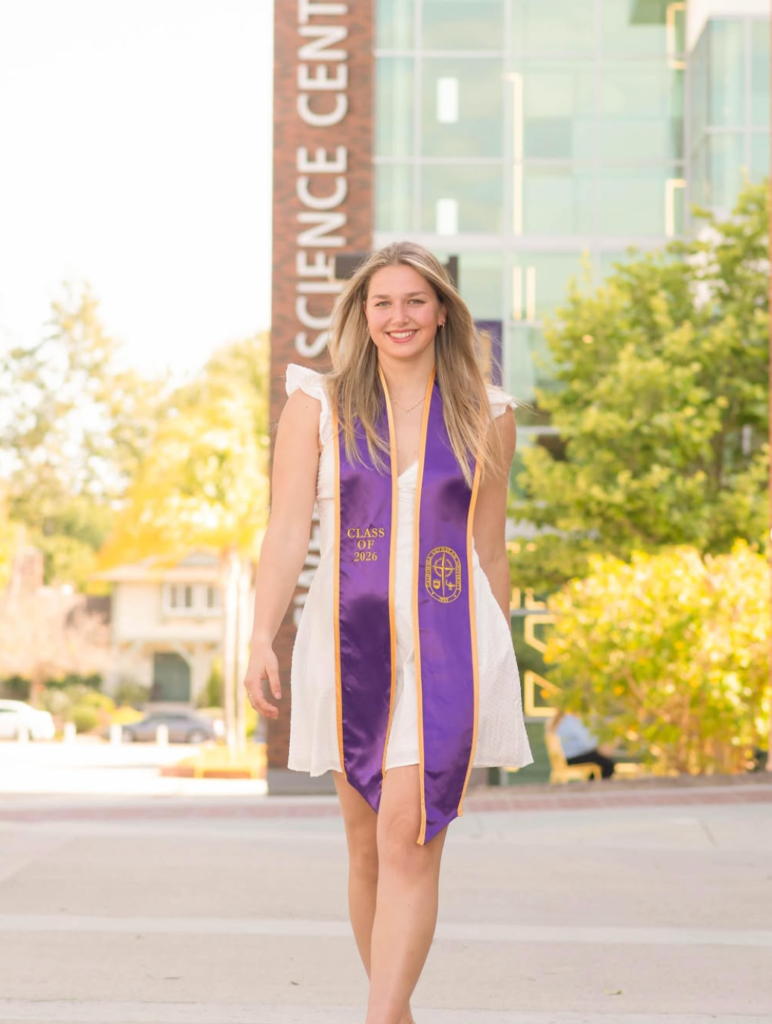
To help other “becoming” individuals reflect on how to determine which values are truly their own, I spoke with my friend Grace, a rising junior at California Baptist University who is as intrigued by discussions on belief as she is devoted to her own.

Grace and I grabbing coffee together in our hometown

She described the core principles that guide her life. The first she named “Optimism” and expanded, saying, “I like to think that I try to find the best in every situation and every person I come across…I think life is more enjoyable for you and for those around you when you choose to work through hardships with a little hope.”

She shared the verse 1 Corinthians 13:3-7, “Love bears all things, believes all things, hopes all things, endures all things.” Grace elaborated on how she aims to align her interpersonal approach with this verse, saying, “I don’t do any of these things perfectly, but I think it’s important to remember when we meet people… Seeing the best in people not only gives me a brighter outlook on life but can also help someone to know that someone else believes in them and wants them to be good… We should hope that tomorrow we can all be a little bit better than yesterday.”

Secondly, she mentioned minding this mantra: “Life is what you make of it.” She discovered its prevalence in her life through a comparison of her high school and college sophomore years. She explained, “My sophomore year of high school was very difficult… Coming into my sophomore year of college… Something about “sophomore” held a looming gloom about it.” But she remembered her mantra, and despite still experiencing a lot of difficulty, she realized that “the difference between high school and college was gaining the mindset that every experience holds something that we can benefit from.”

Sharing how her principles influence her perspective on the college experience, she illustrated the significance of paying attention to the people around you. She shared that “coming into college [she] kept to herself. Then, [she] met someone who just talked to everybody… And every time, without fail, that stranger walked away feeling so special, cared about, and heard… [She] saw how happy it made other people and how happy it made him.” So she adopted this particular interest in others and described it as “one of the best decisions [she] makes every day.” She learned to look beyond her academic focuses because “intentionally loving people doesn’t take away from [her] scholastics.”

To touch on areas that may be more difficult for students to navigate, I asked Grace to walk me through how she aligns her time with her beliefs. She explained that it’s about having a clear perspective of one’s values. For Grace, “her faith is first, so no matter what the day holds or how late it is, she makes sure it gets the time it deserves.” Then, she prioritizes spending time with other people and has found “having one-on-ones in coffee shops to be one of [her] favorite things to do ever.” Despite her fears that there may be awkwardness or that she may not even see the other person again, “[she] has never regretted it.”

As for standing by her convictions, Grace has come to “love putting [herself] in positions where [she] gets to listen to people [she] disagrees with.” She explained, “I’m very confident in what I believe, and so are other people, and I want to know why.” 

Of course, on the other hand, there’s the pressure to conform when it feels like you’re not on the same mental, emotional, or spiritual page as your peers. But Grace remembers that “when the courage for [her] convictions is from God, they are at their strongest.” She knows that “avoiding conforming isn’t easy, and [she] fails all the time…[but] something that gives [her] courage is that Jesus completely understands [her], always…[She] fails, and He picks [her] up and lets [her] try again and again.”

So regardless of your specific faith, spiritual, philosophical, or ideological bearing, if you’re looking to live more in tune with your convictions, take Grace’s advice. First, “decide what your values are” and determine their source. “Then, think: How can I put this into action? And do it.”


Do you value exploring the local food spots in your area?  Check out this 15% off student coupon at Love Mama!

By Lauren Gascon 

Lauren Gascon studies Media, Culture, and Communication at NYU and enjoys discussing people’s relationships with each other and themselves. When she’s not on campus, you can find her café hopping, browsing bookstores, or enjoying lunch in one of New York City’s many beautiful parks.


For over 25 years, the Campus Clipper has helped college students in New York City—and later in Boston and Philadelphia—save money and succeed in city life. We offer a digital coupon booklet with discounts on food, clothing, and services, plus an Official Student Guidebook with real advice on how to navigate college life in a big city. Our internship program lets students build skills, earn money, and publish their own e-books. Follow us on Instagram and TikTok @CampusClipper, and sign up for our newsletter to get deals straight to your inbox. To access the digital coupons, scan the QR code on our printed card—available in dorms, student centers, and around campus.


Share

Wandering Bookstores

Tuesday, July 14th, 2026
Photo by Alyssa Hong. This picture is of the used/rare book store in the Upper West Side!

Hands brushing the pages of books, I am perusing the discounted books on the cart outside the store one by one. Sunshine lights up the pages, wilting the older novels while guiding my eyes towards my next adventure. Thin edges are pinched by my fingers gliding to the next page. Bookstores are my favorite venture. 

We are in Soho — Monica and I had a great Thai lunch at Fish Cheeks, our favorite restaurant, and soon wandered the streets with our stomachs filled. As we exit Bond Street, we wander towards Prince Street to hit our most favorite bookstore: McNally Jackson. Opening the heavy glass door, our eyes flash to rows filled with books of many genres and stories. I look at her, she looks at me, and we lose each other in an instant. 

In the very front are the most popular books, I begin my quest here. Names I have heard before, some I have not, pique my interest in art, literature, philosophies, etc. Stories of immigrants hold my sight longer than the rest. Most of all, my horrible habit from childhood continues to dictate my adulthood: judging books by their cover. If the cover is not what I deem pretty, I will not even think about picking it up. Even in my college life, I have perpetuated this routine. So while I walk towards the center aisle of popular books looking for the aesthetically pleasing covers, Monica is browsing all the economics, math, and psychology books.

Our personalities and interests take form in our choices very clearly. She is highly analytical whereas I am very hypothetical. I have learned her focus on consumers, business markets, and all the in-betweens. She picks up books about game theory, talks about her future in finance, and shows up to all the networking events. I have learned to understand how she thinks. She uses her calculator to check prices and find the best deals. Her choices in which books she chooses shows it all. While these genres or types of books are often the ones I see her sitting down to read, sometimes she partakes in mystery. Problem solving is like second-nature to her. 

Finding the bench in the cooking section, Monica is, yet again, reading a consumer psychology book. I am holding a James Baldwin book, debating on my purchase. The lights are hitting her silhouette like a perfect picture — legs crossed, head planted in the book, and eyes following each line. With each step towards her, my mind cannot decide to interrupt her thinking or to let her carry on while I make another round throughout the store. Ultimately, I sat down next to her and opened the book to start reading. 

Here we are reading in McNally’s. It is a perfect day. Our stomachs full of delicious food to keep us fueled for the next day, the sky so clear, and us diving into our literature choices. Unbeknownst to us, three hours go by. Our ignorance to the time is blissful. We forget for a couple hours of the concerns that bother us back to reality. We travel into an alternate fictional reality that captures us for the day. 

Only when the sun begins to set do we realize how we lost track of time. Monica is tapping my book, only enough to gain my attention and not enough to startle me. Our eyes met; I know our time has come. Closing our books, I inquire about her book. 

“Is it any good? Are you gonna buy it?” 

“Yeah, it’s about consumer psychology. It tells me a lot about what people think when they are purchasing things and how it reflects in the markets.” 

Most of the time it is not as simple as this, but every time I learn something new from her about her interests. Sometimes I have no clue what she is talking about despite her dumbed down explanation. Never do I not learn something and connect with her in a new topic. 

If you ever need a stroll, wander in a bookstore — your next venture awaits you. Most of all, take a friend because you will have something to connect about and learn more about. You can learn so much about a person by discussing the type of literature they read or don’t read.


Wandering around always includes time for sweet treats. Use this discount to grab some thin cookies for your next adventure!

By Alyssa Hong

Alyssa Hong is a rising Junior at Barnard College, studying Political Science with a minor in English. As a first-generation, low-income student, she writes about moving across the country for college and its adjustments. She utilizes entertainment, wellness/health/food, and fashion/beauty as methods to making new connections with others whilst always learning.


For over 25 years, the Campus Clipper has helped college students in New York City—and later in Boston and Philadelphia—save money and succeed in city life. We offer a digital coupon booklet with discounts on food, clothing, and services, plus an Official Student Guidebook with real advice on how to navigate college life in a big city. Our internship program lets students build skills, earn money, and publish their own e-books. Follow us on Instagram and TikTok @CampusClipper, and sign up for our newsletter to get deals straight to your inbox. To access the digital coupons, scan the QR code on our printed card—available in dorms, student centers, and around campus.

Share

Study Skills and College Life

Friday, July 10th, 2026

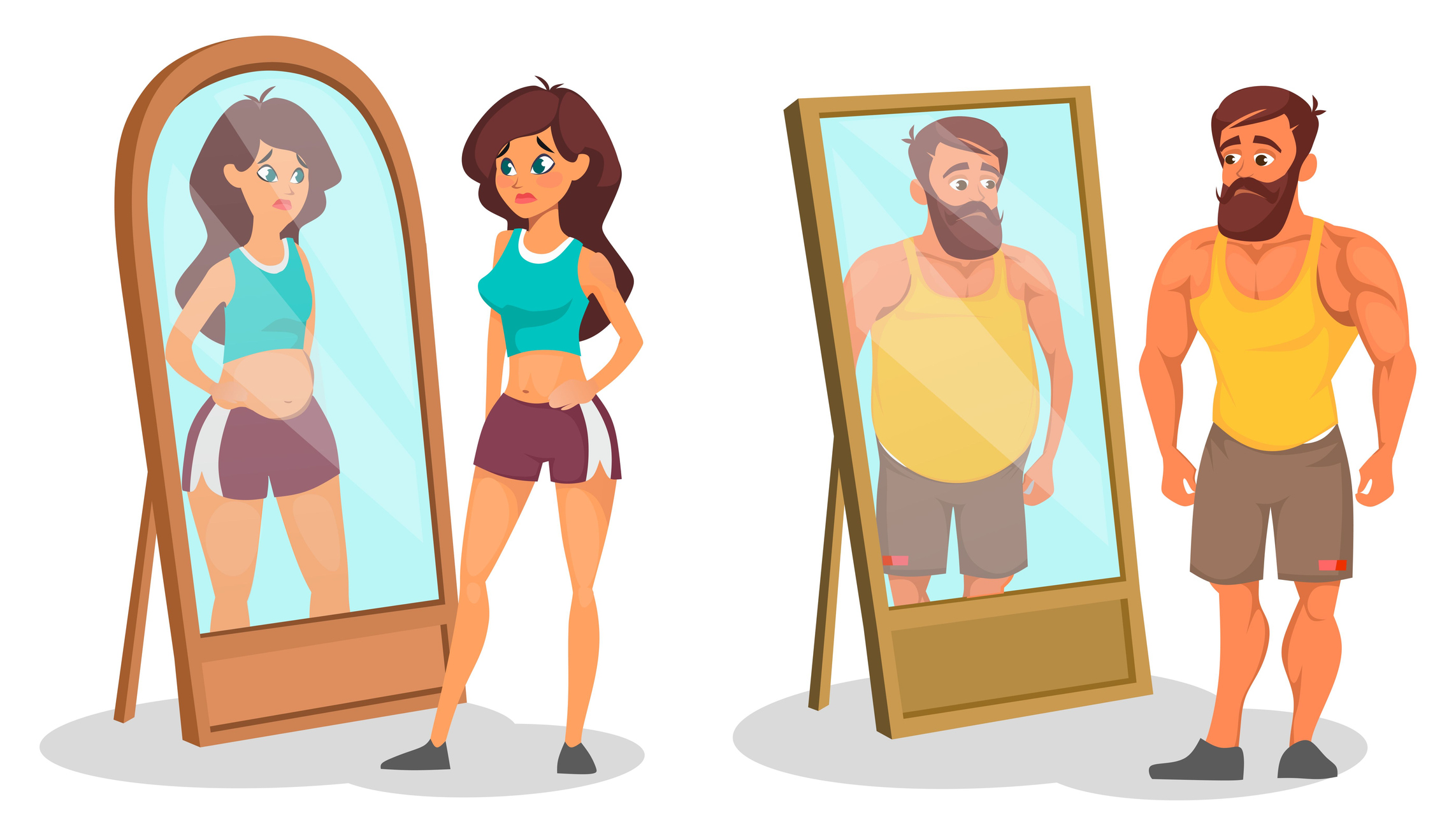
As someone who used to struggle with study skills in high school, especially when preparing for AP exams, I often questioned my own abilities. Looking back, I realize that I wasn’t unintelligent I simply hadn’t yet learned how to study in a way that worked for me. At the time, however, it was easy to believe that my grades reflected my worth. That mindset and my self-esteem made me doubt whether I was capable of succeeding academically.

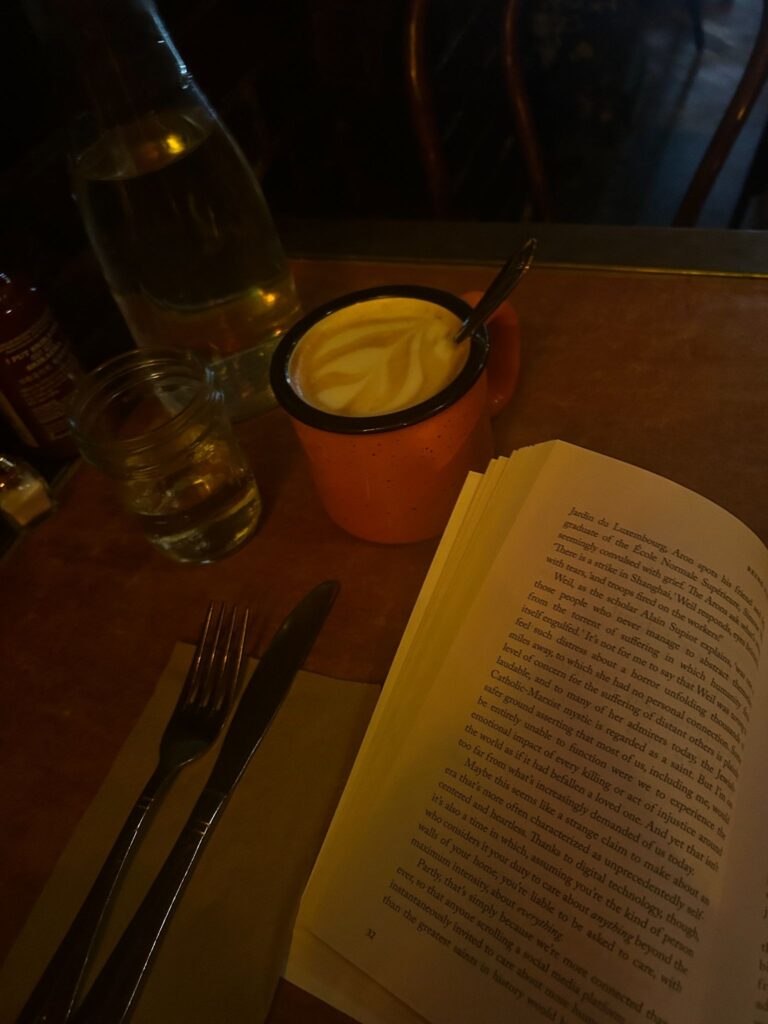
European Library

I was the type of student who usually did okay while in high school, but my performance often depended on how overwhelmed I felt. Before a major exam, I would spend hours stressing about what I didn’t know rather than focusing on what I had already learned. Sometimes all of that effort paid off, and I passed with a grade I was proud of. Other times, despite studying for hours, I still failed or performed below my expectations. Those moments were discouraging, but they also became part of my journey. Failure was never the end of my story—it became an opportunity to learn, grow, and discover what worked best for me.

As a neurodivergent person, I struggled not only with study skills but also with social skills at different points in my life. Throughout my teenage years, I often felt like everyone else understood things that came naturally to them while I had to work twice as hard to figure them out. Whether it was staying organized, managing my time, understanding social situations, or preparing for exams, many tasks required extra effort. For a long time, I viewed this as a weakness, but over time I realized that learning differently does not mean I deserved to learn less.

It wasn’t until I was around eighteen or nineteen years old that I really began teaching myself the skills I hadn’t fully developed earlier. I started paying attention to how I learned best instead of comparing myself to other students. I learned that everyone studies differently. Some people retain information by reading, others through writing notes, teaching concepts to someone else, watching videos, or practicing with questions. There is no universal formula for success. What matters most is finding a method that works for you rather than trying to copy someone else’s routine.

One of the biggest lessons I learned is that stress has a significant impact on education. When people think about academic stress, they often assume it only comes from homework, exams, or difficult classes. In reality, stress is much more complicated than that. A student’s home environment, financial situation, friendships, mental health, family responsibilities, and overall school environment can all influence their ability to focus and succeed. Sometimes a student is carrying burdens that no one else can see. It becomes difficult to concentrate on an assignment when your mind is occupied by challenges outside the classroom.

I wish more people understood that struggling academically does not always mean someone is lazy or doesn’t care. Sometimes students are doing everything they can just to make it through the day. They may be dealing with anxiety, depression, learning differences, financial hardship, or family issues while trying to keep up with assignments and deadlines. Showing compassion toward classmates and ourselves can make a tremendous difference.

Post Highschool and Transition to College

Over time, I also realized that effective studying isn’t about spending the most hours with a textbook open. It’s about studying intentionally. I found that breaking assignments into smaller pieces made them feel much less overwhelming. Instead of trying to memorize everything the night before an exam, I began reviewing material over several days whenever possible. Taking breaks, getting enough sleep, and giving my brain time to process information often helped more than cramming late into the night. While I still experience stress before important exams or projects, I now understand that managing stress is just as important as mastering the material itself.

College introduced a completely different academic environment. Professors expected students to take greater responsibility for their own learning, deadlines came quickly, and balancing multiple classes required stronger organization than I had experienced in high school. There were times when I questioned whether I belonged in college at all. Like many students, I experienced moments of self-doubt and uncertainty. However, every semester taught me something new—not just academically, but personally.

As I mentioned in previous chapters, my college experience has not been easy. I faced personal challenges, difficult situations, and periods where I questioned whether I had chosen the right place for myself. There were moments when I felt isolated, misunderstood, and overwhelmed by everything happening around me. Those experiences affected not only my education but also my confidence and mental well-being.

Everything began to change once I transferred schools. Transferring did not magically solve every problem, but it gave me a fresh start and a healthier environment where I could continue growing. Sometimes changing your environment can make a meaningful difference. A new campus, new classmates, and new opportunities allowed me to rebuild my confidence and focus more on my goals rather than the obstacles that had previously consumed my attention.

Looking back, I have learned that education is about much more than earning good grades. It is about developing resilience, learning how to adapt, discovering your strengths, and continuing to grow even when things become difficult. Every success and every setback has taught me something valuable. The challenges I faced with study skills, stress, and college life helped shape the person I am becoming.

If I could offer one piece of advice to students who are struggling, it would be this: don’t measure your potential by one exam, one semester, or one difficult chapter of your life. Everyone learns at a different pace, and everyone’s journey looks different. Ask for help when you need it, be patient with yourself, and remember that growth often happens gradually. You are not defined by your lowest grade or your hardest semester. What defines you is your willingness to keep learning, keep improving, and keep moving forward despite the challenges you face.

Today, I still continue learning better study habits and better ways to manage stress. Growth does not end after high school or even after college. It is a lifelong process. My journey has taught me that success is not about being perfect; it is about persistence. Every challenge I overcame strengthened my confidence, and every lesson I learned reminded me that progress is often more important than perfection.

Are you looking for something divine & tasty, well look no further Ferrara in the heart on the Lower East Side is offering 20% off your meal with your student ID

By Aaron Newman

Aaron Newman is an Education Studies major minoring in Digital Studies. Originally from Fort Lauderdale, he writes about relationships, entertainment and fashion. He also writes about the hardship and being optimistic about his struggles and looking forward to the present and future.


For over 25 years, the Campus Clipper has helped college students in New York City—and later in Boston and Philadelphia—save money and succeed in city life. We offer a digital coupon booklet with discounts on food, clothing, and services, plus an Official Student Guidebook with real advice on how to navigate college life in a big city. Our internship program lets students build skills, earn money, and publish their own e-books. Follow us on Instagram and TikTok @CampusClipper, and sign up for our newsletter to get deals straight to your inbox. To access the digital coupons, scan the QR code on our printed card—available in dorms, student centers, and around campus.
Share

Relationships and Learning Empathy

Thursday, July 2nd, 2026

Relationships have been one of the most rewarding and challenging parts of my life. Over the years, I have learned that no two relationships are the same, and each one has shaped me in different ways.

My relationship with each of my parents has always been different. My father and I have generally gotten along with ease, while my relationship with my mother has been much more complex. We often argue, whether over something small in the present or something that happened years ago. Although those disagreements can be frustrating, they have taught me that family relationships are rarely perfect. They require patience, communication, and a willingness to understand perspectives that differ from your own.

I would say being bullied has changed the way I view humanity at times and it used to make me feel like I didn’t have a purpose but I think as I did more reflecting why I am the way I am. I started going to therapy more and started diving into my past as hard and hurtful. The truth was I had to face it as a man and feel all my emotions instead of pretending my life was sunshine, rainbows, sunny and joy. My trauma and battle started when I was at the end of 4th grade when I found out I was going to be held back due to reading scores and was mislead and lied to and said I was in a transitional phase instead of telling me the truth by my old principal it isn’t something I talk about with people due to fear of being portrayed as dramatic or some sort of victimhood. At 10-11 years old I didn’t have a voice to stand up for myself and felt like I was silenced. This was something I didn’t think about for years but that is when my real battle with depression, anxiety and suicide ideation began in my early teens as young as 12 but after an attempt at 17 I was diagnosed with depression and anxiety through a diagnostic exam July 2022 and showed signs of severe trauma and PTSD. I can say I’m healthy, alive and no longer having those thoughts as of 4 years later post that traumatic event. Because of this I started a page called WrittenHopeHQ which is something I created to help teens and adults with suicide ideation, depression and anxiety so no one should feel alone like I did. I also created the infographic logo and symbol to represent something symbolic and healing. I would like to be more consistent with this page even though I started it a year ago and I would develop a concept to get people on board maybe do events where we talk about our feelings and overshare in a safe space so people don’t contain their thoughts alone or vent to ai tools like I have done so many times I’ve lost count. This restores wounds in the world and humanity to repair and heal. In Judaism this concept is Tikkun Olam which is by far my favorite one in Judaism, something I practice everyday. Tikkun Olam helps me restore my lenses of how I see humanity and how I can do my best to be kind and empathetic to people. 

WrittenHopeHQ Symbol

Growing up in a family with Holocaust survivors in my ancestry also influenced the way I think about empathy. As the great-grandson of Holocaust survivors, I have always believed that the phrase “Never Again” should apply to everyone not only Jewish people, but any group facing persecution, mass violence, or genocide. To me, those words represent a universal commitment to protecting human dignity, regardless of a person’s nationality, ethnicity, or religion. That belief has become an important part of how I understand justice and compassion.

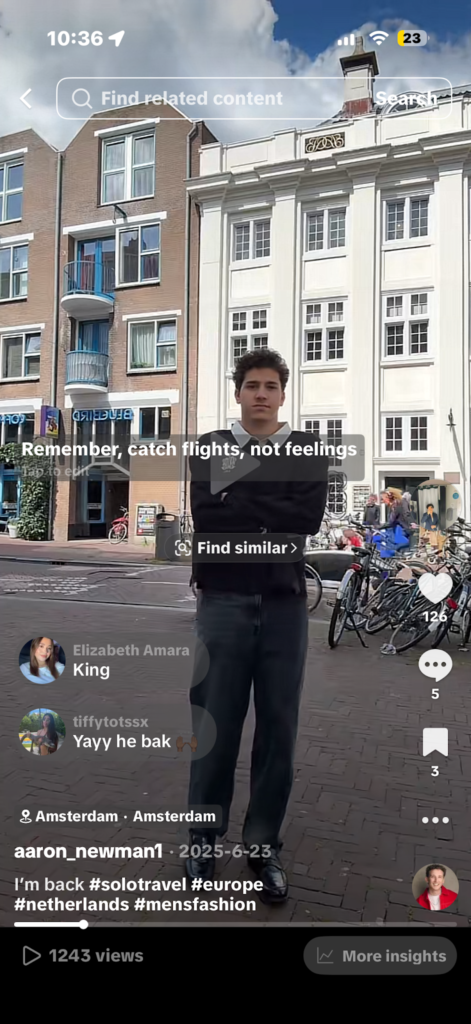
Friendships have also taught me important lessons. I have never been someone with a large circle of friends. Instead, I have valued a smaller number of meaningful relationships. My longest friendship has lasted six years with my friend Elizabeth. Although we are not as close as we once were, I am grateful that we still stay in touch despite having different political views. That friendship has shown me that disagreement does not always have to end a relationship if there is mutual respect.

6 Year Friendship With Elizabeth

Other friendships have been more uncertain. Sometimes I have questioned where I stand with people. Some friendships naturally became stronger through mutual effort, while others slowly faded over time. At first, I struggled with that reality, but I have come to understand that not every friendship is meant to last forever. People grow, priorities change, and sometimes life simply takes people in different directions.

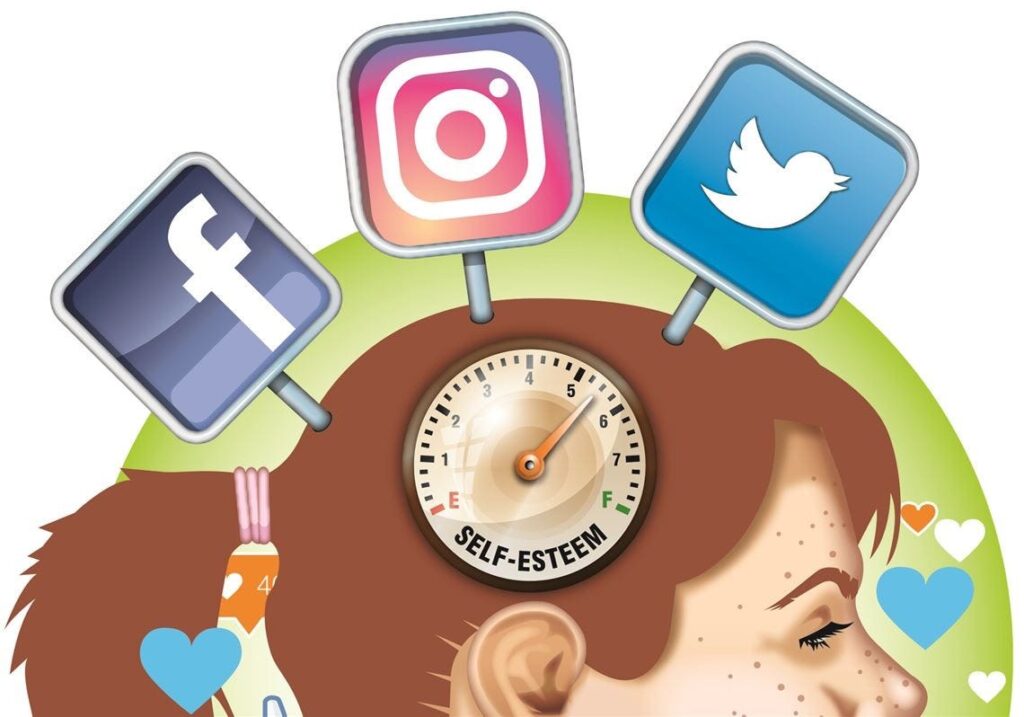
Like many people my age, I have also found myself comparing my life to what I see on social media. There are moments when I mourn opportunities I feel I may have missed or compare my relationships to those of others. Over time, I have realized that social media often shows only the highlights of people’s lives rather than the full picture. Learning to appreciate my own journey instead of measuring it against someone else’s continues to be an important lesson.

One of the most difficult lessons I have learned involves forgiveness. I believe forgiveness has an important place in situations involving misunderstandings, honest mistakes, or poor communication. At the same time, I also believe that there are experiences that fundamentally change a relationship. Serious betrayals or violations of trust can leave lasting wounds such as emotional abuse, sexual harassment isn’t forgivable or something I tolerate which are things I unfortunately experienced but it has made me stronger. For me, learning empathy has also meant recognizing that people heal in different ways and that protecting one’s own well-being through healthy boundaries is sometimes necessary.

Moving from Florida to New York introduced me to people with a wide range of backgrounds and perspectives. As I continued questioning many of my own political beliefs, I found communities where I felt understood. Finding other Jewish people with similar perspectives made me feel less isolated during a period of significant personal reflection. Even today, I sometimes struggle with loneliness, but knowing those communities exist has reminded me that I am not alone.

One experience that had a lasting impact on me was meeting a Palestinian American and his Egyptian American wife while I was questioning Zionism. We spoke openly about history and our different backgrounds. During that conversation, he shared that he had lost many members of his family during the ongoing war in Gaza. Listening to his personal story reinforced for me the importance of empathy, not simply understanding ideas, but listening to the lived experiences of others, even when those experiences are painful. These conversations sparked a motivation for myself to be apart of peace groups with Israelis and Palestinians with confronting 

As I have grown older, I have realized that the relationships I value most are built on honesty, reciprocity, and meaningful conversation. I enjoy discussing ideas, learning from different perspectives, and forming connections that go beyond small talk. While not every relationship lasts forever, every relationship has taught me something about empathy, communication, and the kind of person I hope to become.

Need a late night snack check out Mulberry Market for 10% off!

By Aaron Newman

Aaron Newman is an Education Studies major minoring in Digital Studies. Originally from Fort Lauderdale, he writes about relationships, entertainment and fashion. He also writes about the hardship and being optimistic about his struggles and looking forward to the present and future.


For over 25 years, the Campus Clipper has helped college students in New York City—and later in Boston and Philadelphia—save money and succeed in city life. We offer a digital coupon booklet with discounts on food, clothing, and services, plus an Official Student Guidebook with real advice on how to navigate college life in a big city. Our internship program lets students build skills, earn money, and publish their own e-books. Follow us on Instagram and TikTok @CampusClipper, and sign up for our newsletter to get deals straight to your inbox. To access the digital coupons, scan the QR code on our printed card—available in dorms, student centers, and around campus.

Share

Discovering My Talents

Wednesday, June 24th, 2026

As a child, before smartphones became a major part of everyday life, I developed a passion for photography. I especially enjoyed travel photography and capturing moments from the places I visited. Whether it was a historic landmark, a unique building, or a beautiful landscape, I loved finding the right angle and lighting to create a memorable photograph. Photography allowed me to see the world differently and helped me develop an eye for detail and creativity at a young age.

As I grew older and entered college, my interests began to expand. I developed a strong passion for nonprofit and humanitarian work to make a positive impact on the lives of others. I became interested in how organizations address social issues, support vulnerable communities, and create meaningful change. At the same time, I discovered a passion for media, particularly marketing, writing, and communications. I enjoyed learning how messages are created, shared, and used to connect with people.

As someone who was diagnosed with autism at the age of three, I often faced challenges with social cues and communication. There were times when understanding social situations did not come naturally to me, and I sometimes struggled to fit in with my peers. However, these challenges also helped me develop resilience and self-awareness. Over time, I learned to embrace my strengths, including my creativity, attention to detail, and determination.

Looking back, photography, writing, media, and humanitarian work all share a common theme: they allow me to connect with people and better understand the world around me. Discovering these talents helped shape my goals and continues to influence the path I want to pursue in the future.

One of the experiences that helped me discover my interests was my first trip to Europe at eighteen. During the summer after my junior year of high school, I spent five weeks in Rome completing volunteer work required for graduation. While there, I worked with a group of volunteers helping to care for cats at a shelter. Beyond the volunteer work itself, the experience gave me the opportunity to meet people from different backgrounds, build friendships, and experience a new culture for an extended period.

My Time Abroad

That trip helped me realize how much I enjoyed connecting with people and contributing to causes larger than myself. It also strengthened my interest in humanitarian and nonprofit work. I became increasingly interested in organizations that bring people together, support communities, and work toward positive social change.

What inspires me most about nonprofit and humanitarian work is the idea of solidarity and making a meaningful difference in people’s lives. Over time, as I explored my own beliefs and perspectives, I found inspiration in individuals and organizations working to promote dialogue, peace, and understanding. Seeing people from different backgrounds work together toward common goals reminded me that I was not alone in my desire to build connections and contribute to a better future. One of my favorite organizations is Standing Together that fights for equality for Jews and Palestinians in the State of Israel and abroad. 

Solidarity Interest and Potential Work. Logo Credit: https://www.standing-together.org/en

These experiences helped shape my interests in both humanitarian work and communications. They showed me the importance of listening to others, sharing stories, and using my skills to connect with people in meaningful ways.

When it came time to choose a major in college, I found myself drawn to Education Studies. While some people associate education solely with teaching, I saw it as something much broader. I was interested in understanding how people learn, how communities are supported, and how social change can be achieved through education and advocacy.

Education Studies felt like the closest fit to my interests in nonprofit and humanitarian work. Many nonprofit organizations focus on education, community development, youth programs, and social services. I wanted to learn skills that could help me work in those areas in the future.

I was also excited that the major allowed me to explore topics related to communications and media through elective courses. My interests have never been limited to one field. Instead, I have always been drawn to the intersection of education, communications, and social impact. I enjoy learning how ideas are shared, how people connect with one another, and how organizations can use storytelling to create positive change.

Choosing Education Studies was not just about selecting a major; it was about finding a path that connected many of the interests and values that I had developed throughout my life.

Part of the reason I became interested in nonprofit and humanitarian work comes from my own experiences growing up. As someone diagnosed with autism at a young age, there were many times when I felt different from the people around me. I often struggled to relate to others and sometimes felt unseen or misunderstood. There were moments when I felt like an outcast because I had difficulty connecting with my peers the way others seemed to.

Those experiences were challenging, but they also shaped my perspective. They helped me develop empathy for people who feel excluded, overlooked, or unheard. Because I know what it feels like to struggle with belonging, I have always been drawn to causes that focus on inclusion, community, and support for others.

Over time, I realized that many people experience feelings of isolation for different reasons. Whether because of their background, beliefs, identity, or personal circumstances, everyone wants to feel seen and valued. This understanding is one of the reasons I became interested in nonprofit and humanitarian work. I want to contribute to organizations and communities that help people feel supported and connected, not alone.

Share

Fat Ronnie’s Burger Bar & Strolling In West Village

Wednesday, June 24th, 2026

Just next door to IFC Center, a burger bar resides within the West Bank. Fat Ronnie, a meat restaurant, offers chicken, burgers and sandwiches. As I entered the establishment, I was welcomed by Ronnie and Cece with kindness and was shown the menu and ultimately I chose the chicken caesar salad. 

I’m someone who tends to be a picky eater so to be able to choose something from the menu that is healthy and doesn’t have large portions is the best. This allows me to obtain a healthy meal without experiencing stomach aches, but overall I enjoyed the meal.

As I started eating the caesar salad it felt crunchy at the same time but not too hot as well when I ate the chicken. The ginger ale tasted good and I liked that it was iced. I got to witness employees making the salad which was nice. 

Overall, I had an excellent time at Fat Ronnie’s Burger Bar NYC in the West Village. The staff was helpful, kind and provided great service. I would recommend this restaurant to friends and family. If you would like to try their chicken and burger sandwiches. Bring the coupon below for 15% off your purchase. 

Share

Nuovo Pizza & My Relationship with Pizza

Saturday, June 20th, 2026

Just a block away from NYU on east ninth street rests a pizza shop, Nuovo York, an italian pizza shop offering different kinds of pizza from mozzarella to vegan choices. As I stepped in, I was greeted by Atalay the owner and his employee Angel who were both so warm and welcoming to me and even showed me the bathroom when I had to use it.

I’m someone who doesn’t eat a lot of dairy products due to health reasons, stomach aches, acne prone skin and inflammatory reactions from food, especially dairy. As I ate the slice of pizza I didn’t feel like that at all, it’s actually one of those pizzas that didn’t make me have stomach pain.

For the food, I got a slice of square pizza and sprite & water. As I ate the pizza with basel and shredded cheese it tasted something that I hadn’t eaten before even though I ate pizza multiple times in my life. I got to go behind the scenes and visualize and see the pizza chef shred the cheese and put oil. It was fascinating because I don’t usually see people cook close up to me but I got to see it from a nearby presence.

Afterwards I sat down and watched people walk outside while eating the pizza and drinking my soda. It was well deserved after walking in the humid weather that so much reminded me of my hometown Fort Lauderdale/Miami. The food tasted like the ones I’ve eaten in Italy when I was there 3 years ago. 

Overall, I had a great time dining at Nuovo Pizza in the East Village within proximity to my campus. The staff was kind, helpful and provided excellent customer service. I’m recommending this place to my friends. If you like to try some of their pizzas, bring the coupon below and student discount for 20% off. 

Share

Values and Responsibility

Thursday, June 18th, 2026

Growing up in an American-Israeli family, I was surrounded by both big ideas and small, everyday gestures that shaped my sense of responsibility. My parents didn’t just talk about being proud of our Jewish identity or respecting elders they showed it, whether it was by inviting neighbors for holiday meals or pausing to greet elderly community members in the street. These moments, sometimes ordinary and sometimes memorable, wove values into the fabric of my daily life.

Our house was always a jumble of languages: English in the kitchen, Hebrew for homework help, and Yiddish when my grandparents wanted to tell secrets. Learning Hebrew didn’t just mean memorizing words; it meant being able to join in family jokes or read prayers out loud at synagogue. My parents insisted we celebrate holidays together, no matter how busy we were. Sukkot stands out in my memory: I can still picture us hanging decorations on the sukkah while my dad told stories about his own childhood. These moments helped me appreciate my heritage in a real, hands-on way, not just as an abstract idea.

Respect for elders wasn’t just a rule, it was part of daily life. I learned early on that listening to my grandparents’ stories wasn’t optional; it was expected. My great-grandmother, for example, used to sit at our table and speak about her journey to America, often while peeling apples for dessert. Hearing about the difficulties she faced gave me a bigger sense of perspective, especially when I felt frustrated by things that now seem trivial in comparison.

Responsibility started small: drying dishes, taking out the trash, checking on my younger brother’s homework. At the time, I just wanted to finish quickly so I could play video games, but looking back, those chores taught me the basics of being accountable and sticking with commitments. My parents let me know that it wasn’t just about getting things done, but about building habits that would stick with me as I got older even if I didn’t appreciate it then.

School was another place where responsibility played a major role. I was expected to put effort into my academics and work hard, even when subjects were difficult. Like many students, I experienced both successes and challenges throughout my education. Learning to manage schoolwork, extracurricular activities, and personal responsibilities taught me that success often comes from consistency and determination rather than perfection.

Kindness was something my parents talked about a lot, but putting it into practice was sometimes messy. I dealt with bullying at school, something I rarely talked about at home. I never understood why some kids could be so cruel, and even now, I sometimes wonder if there was something I could have done differently. I always wanted to believe that people could change, which meant I forgave people more than once, even when it hurt. Looking back, I realize I sometimes put up with things longer than I should have, thinking that being kind meant never standing up for myself.

Those experiences forced me to rethink what kindness and forgiveness really meant. I learned, sometimes the hard way, that being kind doesn’t mean letting people walk all over you. Forgiveness might help you move on, but it doesn’t mean you have to forget or let it happen again. Setting boundaries was something I only figured out later, but now I see it as another kind of responsibility to myself.

As I got older, responsibility stopped being about chores or homework and started being about my own choices. I made mistakes—sometimes big ones—and had to learn from them. Responsibility meant owning up to those mistakes, but also being willing to grow. It also meant figuring out how to balance my family’s values with my own opinions about the world. 

The values I grew up with—pride in my heritage, respect for others, kindness, and responsibility—are still at my core, but life has taught me that these things aren’t always simple. Sometimes, they mean making tough choices or admitting I don’t have all the answers. It’s a work in progress, and I’m learning to be okay with that.

Looking back, I’m thankful for both the lessons my family taught me and the times those lessons were put to the test. The good and the hard moments have shaped who I am. As I head into college and whatever comes next, I know I’ll lean on these values—even as I keep figuring out what they really mean for me.

Of all our family traditions, Sukkot was the one I waited for every year. It wasn’t just a religious holiday, it was a chance for our house to become a hub of laughter, stories, and, sometimes, total chaos. Our sukkah looked a bit different every year, covered in paper chains, old family photos, and prayers scribbled in both Hebrew and Yiddish. Friends and neighbors drifted in, and the kitchen turned into an assembly line for schnitzel, steak, salmon, and a dozen different salads. Those nights felt magical, with everyone crowded together, sharing stories long after the meal was over.

When I was little, I only knew that Sukkot meant staying up late and eating good food with lots of people. But as I got older, I started to realize it was really about opening your doors, making space for others, and making sure everyone felt like they belonged. Watching my parents welcome guests, even when it meant more work, taught me that responsibility isn’t just chores or grades; sometimes, it’s about making other people feel at home.

Looking back, those nights under the sukkah shaped me as much as anything else. They connected me to my Jewish heritage in a way no lesson or textbook ever could, and they taught me that some of the best moments in life happen when you’re surrounded by family, friends, and community.


Save at Mulberry Market with this coupon and your student ID

By Aaron Newman

Aaron Newman is an Education Studies major minoring in Digital Studies. Originally from Fort Lauderdale, he writes about relationships, entertainment and fashion. He also writes about the hardship and being optimistic about his struggles and looking forward to the present and future. 


For over 25 years, the Campus Clipper has helped college students in New York City—and later in Boston and Philadelphia—save money and succeed in city life. We offer a digital coupon booklet with discounts on food, clothing, and services, plus an Official Student Guidebook with real advice on how to navigate college life in a big city. Our internship program lets students build skills, earn money, and publish their own e-books. Follow us on Instagram and TikTok @CampusClipper, and sign up for our newsletter to get deals straight to your inbox. To access the digital coupons, scan the QR code on our printed card—available in dorms, student centers, and around campus.

Share

To The Students That Are Looking For ‘Balance’

Wednesday, June 17th, 2026

Firstly, congratulations on your college acceptance and moving to the Big Apple! This humid, humming conglomerate of boroughs and subway stations is a pulsing city of excitement. Your heartbeat upon arrival may be currently matching the coursing nature of the city. There truly is no other feeling like moving to New York City.

As I sit here, sweat rolling down from my armpits in early June, I’m reflecting on the biggest tenant of survival that I learned during my undergraduate experience. That being my perception of the word ‘balance’. When I started undergrad, I had a lot of expectations as to what my newest chapter of life would look like, and in maybe a naïve way, it was lots of sunshine, rainbows, and the perfect morning routine. I have documents upon documents of Google Doc schedules planned down to 30-minute intervals, spanning planned activities of 7:30 AM wake-up times, morning yoga, a zen cup of coffee, breakfast meal prep, Pomodoro-method interval study breaks, and more. On paper, this is a very balanced lifestyle, and one I still try to aim for on a consistent level. However, with this excitement of entering college and the tribulations of new experiences, this ‘balance’ can take on a different form.

Yoga is a huge part of my life and has been since I was 16. I found an aptitude for yoga, and really liked this centering through a flow of movement and the practice of breathwork. Moving to such a big city that loves aesthetics, yoga classes are available by the bushel. I figured I could not only do yoga in my shared room, but also start going to a studio somewhat-religiously. My roommate at the time was very into hot-yoga and would go to an hour-long class every day. I thought I would try it because it looked like balance.

I forced myself through one class, slipping around on my own sweat pooled on the yoga mat. I signed up for another one, buying a $40 towel for my mat this time, and shook my way through another sauna-like class. Then, I signed up for a 6AM class. Balance at the time looked to me like uncomfortable persistence and an optimal morning routine that frankly, no 18-year-old needs to complete. This class, I got a compliment on my warrior pose in the first 10 minutes of the class, but then overheated so much I had to lie down for the remainder of the 40 minutes. When the rest of the class went into savasana, I went to the bathroom and threw up. I was so overworked that I went home and slept the rest of the day, missing my 8AM Theology class and the other class I had, with over $100 spent on these three intro yoga sessions.

Hot yoga works for a lot of people, but I had to face it may not work for me. It seemed to center my roommate but provided a negative experience for me. Later in college, I took the courses Yoga 1 and Yoga 2, which focused more on breathwork and seated, restorative poses. This combated my original power-house idea of how yoga would fit into my collegiate life, but after every class, I felt more flexible and mentally sharper for my classes during that day. Not being able to be a ‘hot yoga baddie’ took me aback, but finding yin yoga and pranayama have changed my habits. My thinking of the word ‘balance’ and my perception of myself then adjusted.

There is balance in the excitement of college, as there is equally excitement in finding a holistic practice that grounds you during this time. In finding that balance, there is the remembrance that you are headed to college for finding you and the pursuit of your innate talents. 

The corner of my room for designated for yin yoga and journaling my Junior year.

And for a before class treat or after yoga refresher, here is a Campus Clipper approved coffee discount offer!


By: Madeleine Misner

Madeleine Misner is a writer and NYU graduate student in the MS in Publishing program. She loves going out to dinner with her friends, reading long books, and attending spoken-word poetry events. Madeleine always loves to connect with other writers and creative thinkers alike!


For over 25 years, the Campus Clipper has helped college students in New York City—and later in Boston and Philadelphia—save money and succeed in city life. We offer a digital coupon booklet with discounts on food, clothing, and services, plus an Official Student Guidebook with real advice on how to navigate college life in a big city. Our internship program lets students build skills, earn money, and publish their own e-books. Follow us on Instagram and TikTok @CampusClipper, and sign up for our newsletter to get deals straight to your inbox. To access the digital coupons, scan the QR code on our printed card—available in dorms, student centers, and around campus.
Share

Resilience in Routine

Tuesday, June 16th, 2026
Photo by Alyssa Hong. Here I am sitting in a field of overly bloomed tulips at the Queens Botanical Garden.

One of the most essential parts of college is finding ways to continue a healthy lifestyle despite having copious amounts of free will. For this, I suggest enrolling in classes with friends for things like yoga, pilates, or anything really. 

What started out as Thursday evening classes for yoga simply began as a question: 

“Do you want to try Fitbear classes with me?”

Monica, my best friend, asked me this during our first year in college after the first semester. Still timid, my voice appeared firm in accepting her offer but the tremble of my body could not shake this anxious moment. I wondered if the class would paint us as newbies and that we would be made fun of – superficial concerns which made no sense looking back because everyone starts somewhere. 

Our first class had me looking over my shoulder constantly. I put on my leggings for the first time since COVID era, which had me doing Chloe Ting workouts in my bedroom. Highschool kept me so preoccupied I only had time for dance club so I had wildly let myself go. I went down the elevator to the first floor where the water station was and filled my Awola full of water since I was not sure how hard I would be sweating for “vinyasa” yoga. 

I did not even know what “vinyasa” meant. 

I knocked on Monica’s door since we lived in the same small hallway; we were on our way. Geared with her yoga mat, leggings, and water bottle, Monica was prepared for the next hour of downward facing dogs later. As we rode the elevator down, my face kept making the same grin of nervousness. My hands shook like no other. Soon, I found myself in the basement of the main campus building for our class with my hand gripping the handle of the door. As I opened it, the world began to shine in on me. 

Starting by reaching down towards our feet, I felt the release of all my stresses of homesickness to future career anxieties diminish. Halfway lift — holding my breath, I stared at my posture in the mirror, diligently focusing on my body and how it felt. Then down into a down-dog while bending our knees side-by-side. Stretching my body through every pose was my revenge on this fast-moving world. 

With Monica keeping me accountable, I learned the art of yoga: finding stillness and intention. Each pose should be made with intent and slow movement rather than rushing through. I thought about engaging my core, where my hands were, and finally how my body felt. The tension housed within my joints transpired as I held my intention from the beginning of the class to the very end. 

After my very first class, Monica and I continued these classes even adding two a week to our schedules if time permitted. That’s how we ended up trying a Zumba class on a random given Wednesday. 

Without her pushing me out of my own comfort (my mind), I would have never found the art of truly slowing down in yoga. We still go to these classes only now they are Friday morning classes at 9 AM instead. We always find time within our schedules and are always seeking to learn something new in our fitness journeys like how to perform frog pose or a proper chaturanga. 

I have also learned so much about Monica from this routine. She prefers cardio whereas I hate cardio entirely. I found this out after one of our conversations post-class (Total Sculpt) which was filled with cardio. 

“I like it because you can feel it.”

“I hate it for that exact reason.”

She also used to train mainly using cardio for rowing in Highschool and still does for when she scuba dives in the summer. Whereas, I only did cardio for dance in Middle School which I still hated. 

Nevertheless, yoga, or more generally, fitness classes have become our routine to resist anything college throws our way. It is not only a way to connect with others, but a chance to learn something new about them and yourself. 


Working out can be a helpful activity for the mind and soul alongside the body. Use this coupon to start your fitness training package with Nimble Fitness!

By Alyssa Hong

Alyssa Hong is a rising Junior at Barnard College, studying Political Science with a minor in English. As a first-generation, low-income student, she writes about moving across the country for college and its adjustments. She utilizes entertainment, wellness/health/food, and fashion/beauty as methods to making new connections with others whilst always learning.


For over 25 years, the Campus Clipper has helped college students in New York City—and later in Boston and Philadelphia—save money and succeed in city life. We offer a digital coupon booklet with discounts on food, clothing, and services, plus an Official Student Guidebook with real advice on how to navigate college life in a big city. Our internship program lets students build skills, earn money, and publish their own e-books. Follow us on Instagram and TikTok @CampusClipper, and sign up for our newsletter to get deals straight to your inbox. To access the digital coupons, scan the QR code on our printed card—available in dorms, student centers, and around campus.

Share