Posts Tagged ‘college’

Steps Toward Cultural Competency

Wednesday, August 30th, 2017

The previous week, I detailed my transition onto the Grassroots Living/Learning Community. Only a few months on Grassroots proved that I did not know as much as I thought I did. Despite my parents’ thoughtful engagement with all cultures, I needed to begin building cultural competency on my own. Here are some steps I’ve found helpful as I’ve stumbled through experiential learning:

  1. The process does not have a definitive end point. No one is ever fully “culturally competent;” there is always more to learn. This is how I think of it: when I first entered college, I was on Step 4, due to my parents’ efforts to expose me to racial reconciliation work. Those first two years on Grassroots pushed me to Step 10, and the past three years have put me at Step 12. But the number of steps are infinite, and it would be foolish for me to become proud at the measly amount of steps I’ve taken.
  2. If you’re a white person hoping to ally yourself with people of color, understanding white culture and privilege is crucial. White culture exists; because it is the dominant culture in the United States, it is often invisible. However, whites have to acknowledge that we are just as culturally biased, if not more so, than those rooted in all other cultures. In the United States, our institutions and structures were created primarily by and for white citizens (and not to mention the male, rich, and straight). This means that people like me have been benefiting from systems since before we were born, and that our children will likely continue to benefit for generations.
  3. As you gather knowledge about other cultures, use it as a means of connection, not as a way to show off. I botched this several times, and it’s all a part of the processes. For example, if I meet a Latina and assume that she’s into Prince Royce, it’d be really awkward if she’s actually into country and hasn’t listened to bachata a day in her life. Even if, on the off chance, she’s a huge Royce fan, if I use this as an opportunity to impress her with my bachata knowledge, she’ll see right through it. People of color are used to being reduced to stereotypes and having uninformed people blabber on about China to someone who looks Asian but is actually Japanese-American and knows absolutely nothing about China. On the flip side, don’t pretend like you don’t know who Royce is, but rather, if a potential new friend brings him up, use it as a way to connect with her in a normal (and not reductive!) way.
  4. On a related note, phenotypes (people’s physical features) can be very misleading if you’re trying to guess someone’s heritage. Identity is complicated, and for all you know, someone who looks African could have been raised by a white family in the Midwest. People also choose, to some extent, how they wish to identify. This is especially true of multi-racial people. Having a multi-ethnic background makes it nearly impossible to guess one’s racial make-up based on phenotypes, and creates a quandary for all involved. Unable to place said multi-ethnic person in a box, people get frustrated and try to force them to choose one identity. Of course, someone who, for example, has a black parent and a white parent can’t decide between identities. Both are essential to one’s personhood. 
  5. A caveat on choosing identities: be aware of cultural appropriation. Cultural appropriation can be understood as wanting people of color’s culture, but not the struggle. For example, while people at Coachella wear feathers similar to those present in Native American culture. Whites wear them because they’re pretty, or stylish, or something. But most of them have no connection to the spiritual or otherwise personal history of many Native groups, nor wish to suffer alongside Native people who continue to this day to face discrimination while fighting for basic human rights and representation in the United States. This is problematic because it diminishes Native people’s experiences and pain, all out of ignorance. Similarly, whites cannot “choose” to identify as Native American because their culture seems oh so romantically quaint compared to “cultureless” whites (see above point number 2). Again, this minimizes people of colors’ experiences and makes them uncomfortable/angry, and rightly so. A white person cannot even try to embody POC’s because with their phenotypes, they will be seen as whites and treated thus.

Again, all of this can be hard to process, especially if you’re white and just starting along the cultural competency path. A general rule of thumb is to find situations where you can respectfully listen to POC on their own terms.

Winter banquet

All those steps seem overwhelming but the friends you make? Worth it


Further resources:

Peggy McIntosh, Unpacking the Invisible Knapsack. A list of privileges you might not have considered before: 

http://bit.ly/2jSNfcn

Nell Irvin Painter, “What Is Whiteness?”: A history of the creation of “whiteness” as a social construct:

http://nyti.ms/2iZMrU9

Dr. Robin DiAngelo, White Fragility: Why it’s So Hard to Talk to White People about Racism. An article on white privilege, white culture, and institutional racism: 

http://bit.ly/29DzJAH

Slavery to Mass Incarceration: A short video on the history of slavery and why it impacts us today: 

http://bit.ly/1CmPdGh

Tate Walker, “We Can’t ‘Get Over It'”: 4 Ways Understanding Past Wrongs Can Create Better Indigenous Allies: Provides insight into Native American groups’ histories and struggles for justice:

http://bit.ly/2w2AHl7

By Anna Lindner


Anna is a Campus Clipper intern and a first-year student in NYU’s Media, Culture, and Communication program. Her research interests include critical race and gender theory and their resultant intersectionality. When she’s not studying, Anna enjoys visiting friends, catching up on TV shows, and lifting weights. For over 20 years, the Campus Clipper has been offering awesome student discounts in NYC, from the East Side to Greenwich Village. Along with inspiration, the company offers students a special coupon booklet and the Official Student Guide, which encourage them to discover new places in the city and save money on food, clothing and services.

At the Campus Clipper, not only do we help our interns learn new skills, make money, and create wonderful e-books; we give them a platform to teach others. Check our website for more student savings. 

Share

Transition to Intentional Community

Wednesday, August 23rd, 2017

As a high school senior, I really didn’t know what I was doing when it came to college. The year was 2012, I was seventeen, and I still had no clue which college to attend. I procrastinated up to the line, until it was National College Decision Day and I was forced to finally choose. Originally planning to attend college in Los Angeles, I settled on Calvin College in Grand Rapids, Michigan, thousands of miles from my home in California. I had visited Calvin a month earlier, in April, and toured the newest dorm, named Van Reken after one of the many Dutch alumni who sponsor Calvin. My mom had discovered a living-learning floor for Honors students and, being an overachiever in her college days, encouraged me to apply.

By June, I dragged myself onto the Calvin website to fill out the Honors floor application. However, a description of another floor in the same building caught my attention. Called Grassroots, the floor was dedicated to exploring multiculturalism and combating racism. Every two weeks, students were required to attend a one-credit Contextual Diversity class, which investigated racism in modern America. Forget the Honors floor; I knew I had to apply.

My parents had become involved in anti-racism work before I was born. They were the area directors for Young Life, a Christian program for students, in Kalamazoo, Michigan, for eight years. My dad had become involved in diversity trainings around the time when my parents married, and as a result, tried to integrate the largely white youth groups in suburban Kalamazoo with the largely black youth groups in other parts of the city. He was met with opposition, so, frustrated, my parents decided to relocate to Sacramento, California.

My parents’ vision was to form a multicultural community, with a church at its center, that fostered sharing life and learning from each other. They brought together groups of people that normally would never interact. And it was harder than they could have imagined. There was conflict, there was fallout, there was pain. But there was also compassion, and mutual benefit, and true friendship.

It was in this environment that I was raised. I had seen the heartbreak, but I had also seen raw connection that resulted in rich learning. By the time I was applying to live on intentional living-learning communities in college, I was hungry for that type of interaction. Even as a seventeen-year-old, I knew I wanted to engage in racial justice work.

Several months later, I moved onto Grassroots as a freshman. The floor was was the catalyst for not only my interests, but also who I was as a person. I was launched into community, and I had no clue what I was getting myself into: late-night talks about race theory, arguments, and the formation of lasting friendships. I was terribly uncomfortable, I learned a lot, it was the best and hardest two years of my life.

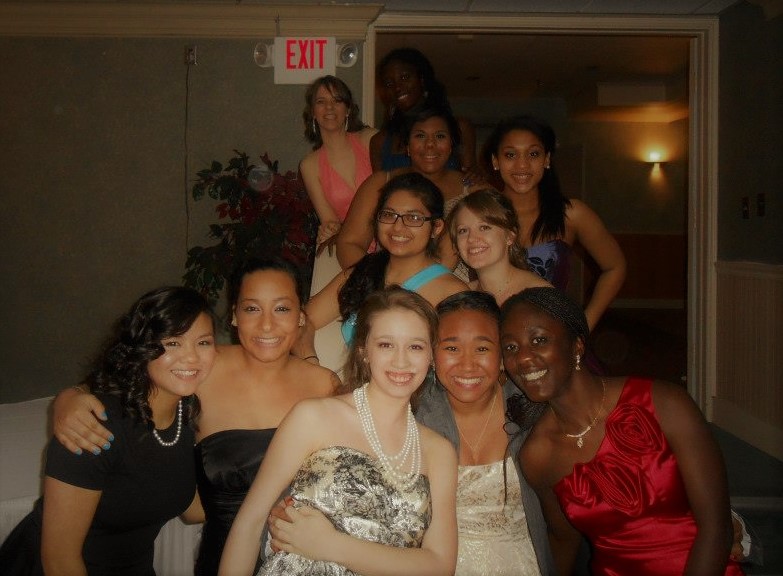
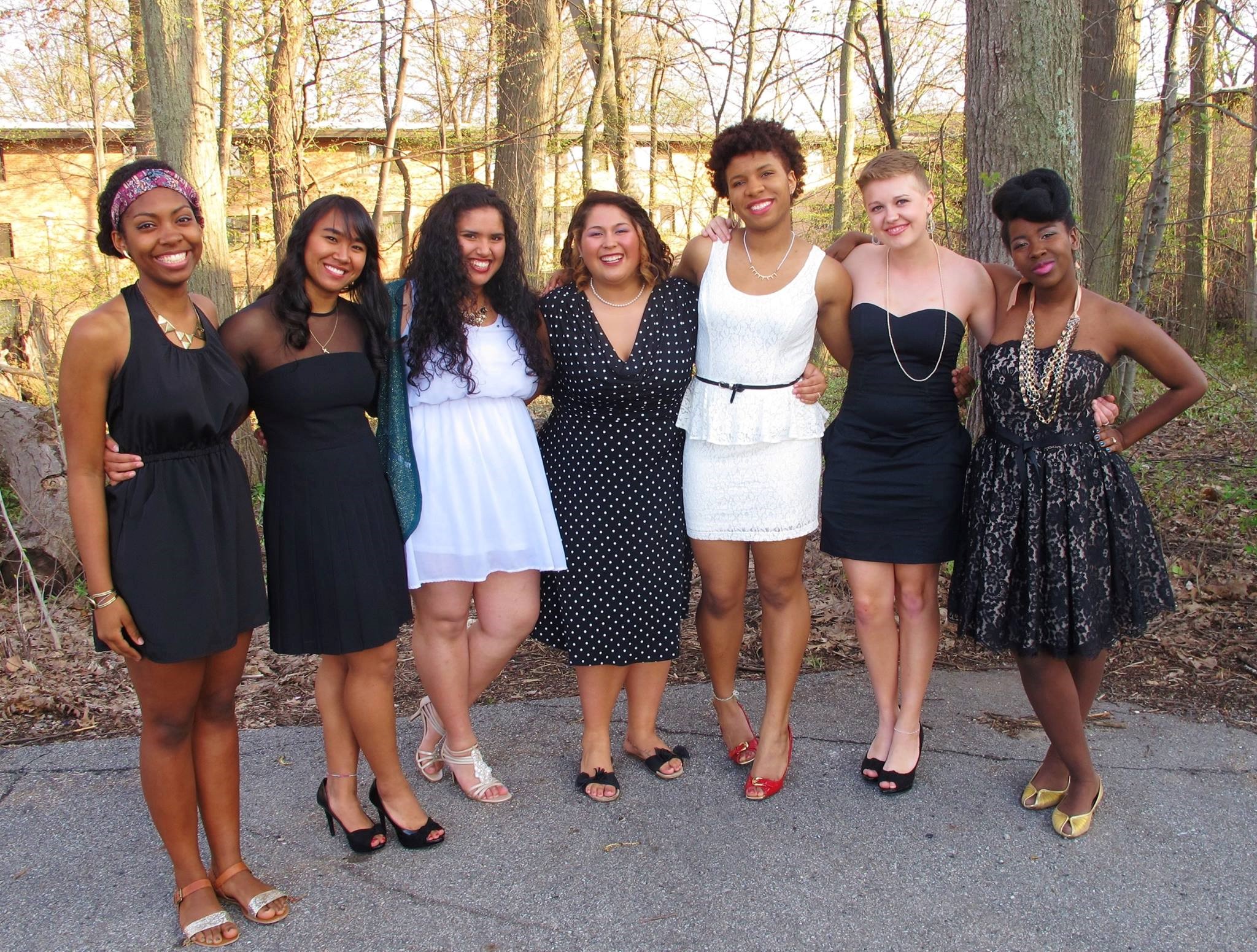
2nd VR women

The women of Grassroots during a dorm banquet.

Grassroots was a crucial step for me on a journey I hope to continue to take.

By Anna Lindner


Anna is a Campus Clipper intern and a first-year student in NYU’s Media, Culture, and Communication program. Her research interests include critical race and gender theory and their resultant intersectionality. When she’s not studying, Anna enjoys visiting friends, catching up on TV shows, and lifting weights. For over 20 years, the Campus Clipper has been offering awesome student discounts in NYC, from the East Side to Greenwich Village. Along with inspiration, the company offers students a special coupon booklet and the Official Student Guide, which encourage them to discover new places in the city and save money on food, clothing and services.

At the Campus Clipper, not only do we help our interns learn new skills, make money, and create wonderful e-books; we give them a platform to teach others. Check our website for more student savings. 
Share

From New York to…Nassau

Tuesday, August 15th, 2017

Living in a city that’s fairly popular can be disgruntling sometimes. You’re just trying to get to work or class and there are about 75 thousand tourists in your way like that guy with a “I <3 NYC” hat and that person standing in the middle of the road trying to take a picture. It can get pretty annoying after the novelty of living in a big city wears off. There’s nothing you can do about the tourists, but that doesn’t mean there aren’t a few good ways to handle the idea of tourism in your city. If you think NYC’s bad with crowds of people that don’t know where they’re doing, Nassau is worse.

https://www.shutterstock.com/

https://www.shutterstock.com/

Taken by Jainita Patel.

Taken by Jainita Patel.

If you live in a big city, you’re going to eventually go through the 3 stages of tourism anxiety and here are just a few ways to cope:

Stage 1: Avoidance.

That’s right. It can be as simple as that: avoid the places with lots of tourists. Broadway? Avoid it no matter where you are. Battery Park? Nope. Midtown? Not today. Tourists can be avoided if you stick to neighborhoods that don’t have too many tourist attractions. Lesser-known tourist attractions in the boroughs are the best places to avoid the hoards of camera-wielding families. I’ve suggested it once and I’m going to suggest it again: Green-Wood cemetery is virtually empty and it’s gorgeous. Park Slope is mainly residential and has a lot of cute shops and places to eat. If you’re hell bent on staying in Manhattan, the East River is generally less tourist-filled than the Hudson. If you really want to get away, Hoboken has the best view of the skyline and only locals tend to live there. In the Bahamas it’s a bit harder to avoid tourists. The main key for Nassau is to stay away from Atlantis and avoid the straw market and downtown. That’s where the cruise ships let off and you don’t want to be there the first thing in the morning when hoards of people dock. Instead, try going to the other side of the island to Clifton Pier. If you need to stay near downtown, try going to Loop View instead, where you can get an amazing view. Cabbage Beach is also a good place on Paradise Island that’s pretty isolated but close enough to the resort to walk.

https://www.nycgo.com/i

https://www.nycgo.com/i

Cabbage Beach. Taken by Jainita Patel.

Cabbage Beach.
Taken by Jainita Patel.

Stage 2: Acceptance.

After a while, avoiding all of the places with tourists can get a bit boring. After all, the reason people go to places is because those places are interesting. Sometimes you just have to be okay with the fact that you live in a cool part of the world that a lot of people want to see. That doesn’t mean going out of your way to avoid tourist-filled areas, but it doesn’t mean purposefully going to those areas either. Union Square get pretty touristy during the summer, but if you have to go through it, just put your headphones in and keep walking. The second stage of living in a city is just knowing that you signed up for this and being ready for it. For Nassau, if you need to go through downtown, walking through the sunlit streets can actually be pretty pleasant even with the hoards of tourists buying rum cake and souvenirs.

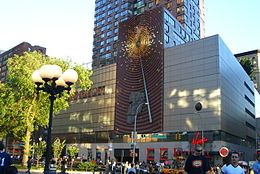
Union Square https://en.wikipedia.org/

Union Square
https://en.wikipedia.org/

Pompeii Square in Downtown Nassau. Taken by Jainita Patel

Pompeii Square in Downtown Nassau.
Taken by Jainita Patel

Stage 3: If You Can’t Beat Them, Join Them.

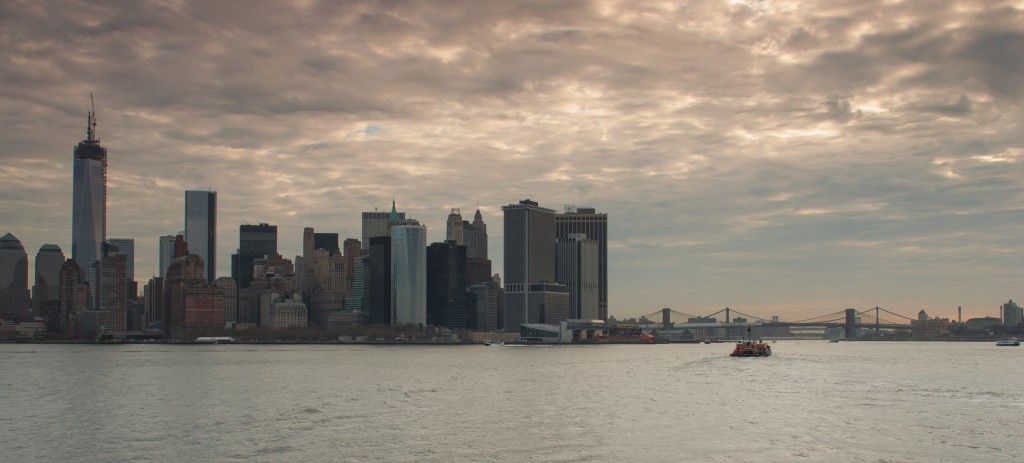
Since love and hate are pretty close emotions, if you hate tourists, eventually you’re going to become one. Whether it’s in your own city or another, but the good part about being a tourist in your own city is that you can actually go out into the world and enjoy every part of the your city that makes it so famous. Haven’t gone up the Freedom Tower yet? Now is as good as any other time. Haven’t been to the Met in a while? Go for it. Lived in New York for 3 years and haven’t walked across the Brooklyn Bridge or seen the Statue of Liberty yet? Well now’s your shot. Don’t let tourists stop you from going to see these things. Sometimes it’s just better to say “screw it” to feeling like a local and just getting out there and seeing your part of the world. For Nassau this can be especially fun. If you’ve been there for a while and haven’t gone snorkeling now’s your shot. You can even get discounted Bahamian Atlantis passes if you’re there for long enough. Downtown—except Sr. Frog’s, avoid Sr. Frog’s at all times—can be extremely fun if you’re willing to commit to just enjoying yourself instead of blending in.

Freedom Tower http://www.theepochtimes.com/

Freedom Tower
http://www.theepochtimes.com/

Atlantis Resort. Taken by Jainita Patel

Atlantis Resort.
Taken by Jainita Patel

Have fun with it. You’re going to go through the three stages of tourism anxiety no matter where you move. At first you feel like one of them and then you become jaded enough to try to avoid being one of them, but like most things in life, that too will come full circle in the end. So if you like New York for how many tourist attractions it has, you’ll love Nassau and vice versa. Hopefully you’ll get to visit both some day.

___________________________________________________________________________

By Jainita Patel

Jainita is a Campus Clipper publishing intern who is double majoring in English and Environmental Studies at NYU. Though writing fiction and painting are her two main passions, she also has a love of travel and adventure that has taken her across the globe.  Jainita writes under the pseudonym Jordan C. Rider. If you like her posts, you can find more of her work here or follow her on Twitter. For over 20 years, the Campus Clipper has been offering awesome student discounts in NYC,  from the East Side to Greenwich Village. Along with inspiration, the company offers students a special coupon booklet and the Official Student Guide, which encourage them to discover new places in the city and save money on food, clothing and services.  

At the Campus Clipper, not only do we help our interns learn new skills, make money, and create wonderful e-books, we give them a platform to teach others. Check our website for more student savings and watch our YouTube video showing off some of New York City’s finest students during the Welcome Week of 2015. 

Share

From New York to…D.C.

Monday, August 7th, 2017

We live in a very politically aware time. For that most are both thankful and disappointed. New York is one of the best cities in the world to express your political views (more for the left than the right, but there’s a healthy amount of both). With protests for all sides, causes, and points of view, in this day and age New York is ripe with political activity. Naturally, another place for this is D.C., which besides being gorgeous and extremely hot, is a hotbed of political activity.

http://www.grayline.com/

http://www.grayline.com/

http://www.PBase.com

http://www.PBase.com/

Here’s a good way to get involved in both cities:

Protests.

Currently, protesting or marching is a huge part of being invested in whatever causes you’re pro or against. Most types of protests and rallies have a website that will give details on time and place. In NYC these usually take place along 5th Ave. if the protest or march is really big. Battery Park and Union Square are also popular places for rallies or marches. In D.C. Constitution Ave. and The National Mall have hosted some of the largest rallies in history. The White House also used to be a popular place to protest.

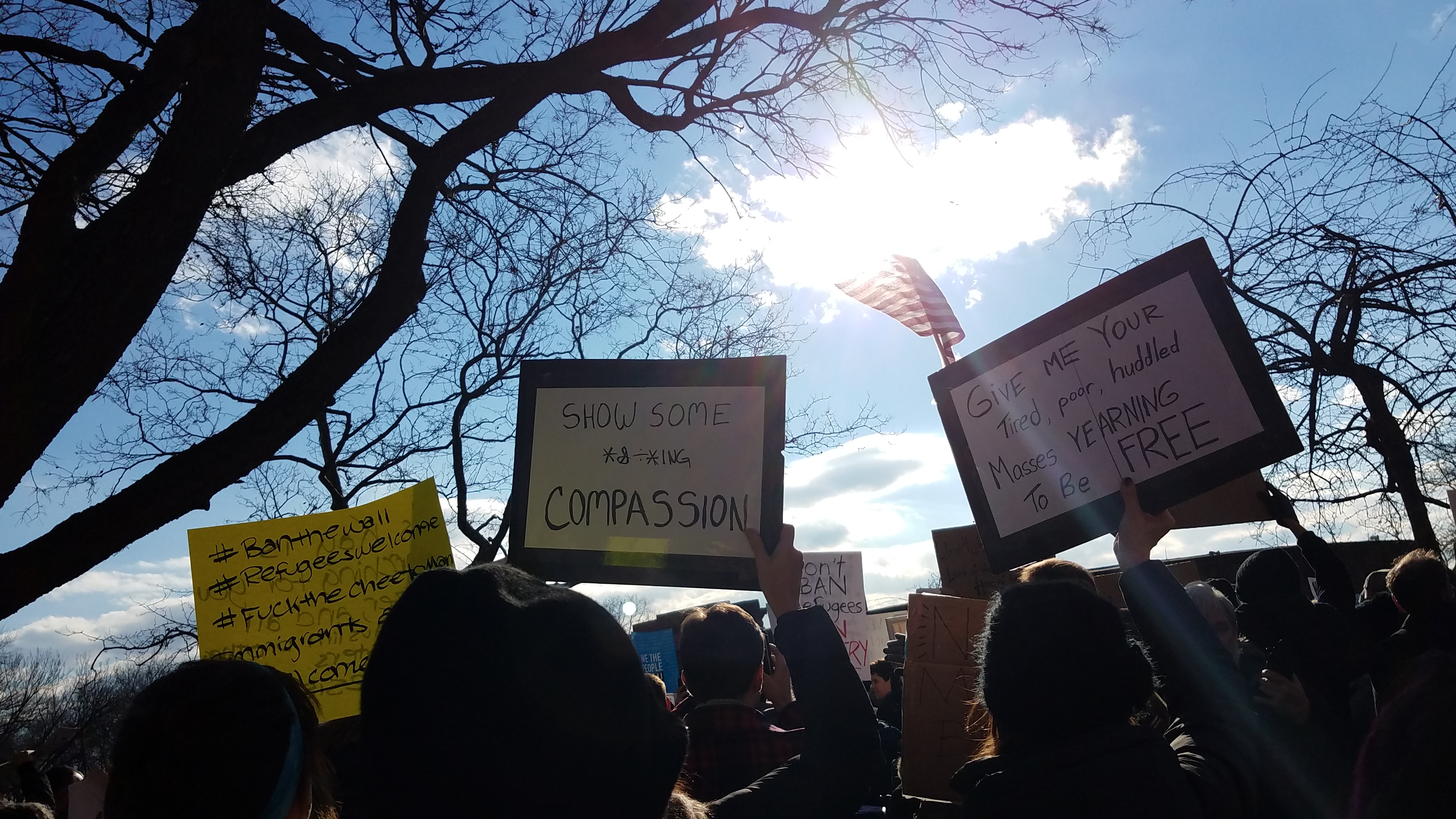
Rally against Islamophobia at Battery Park. Taken by Jainita Patel.

Rally against Islamophobia at Battery Park.
Taken by Jainita Patel.

The National Mall. Taken by Jainita Patel.

The National Mall.
Taken by Jainita Patel.


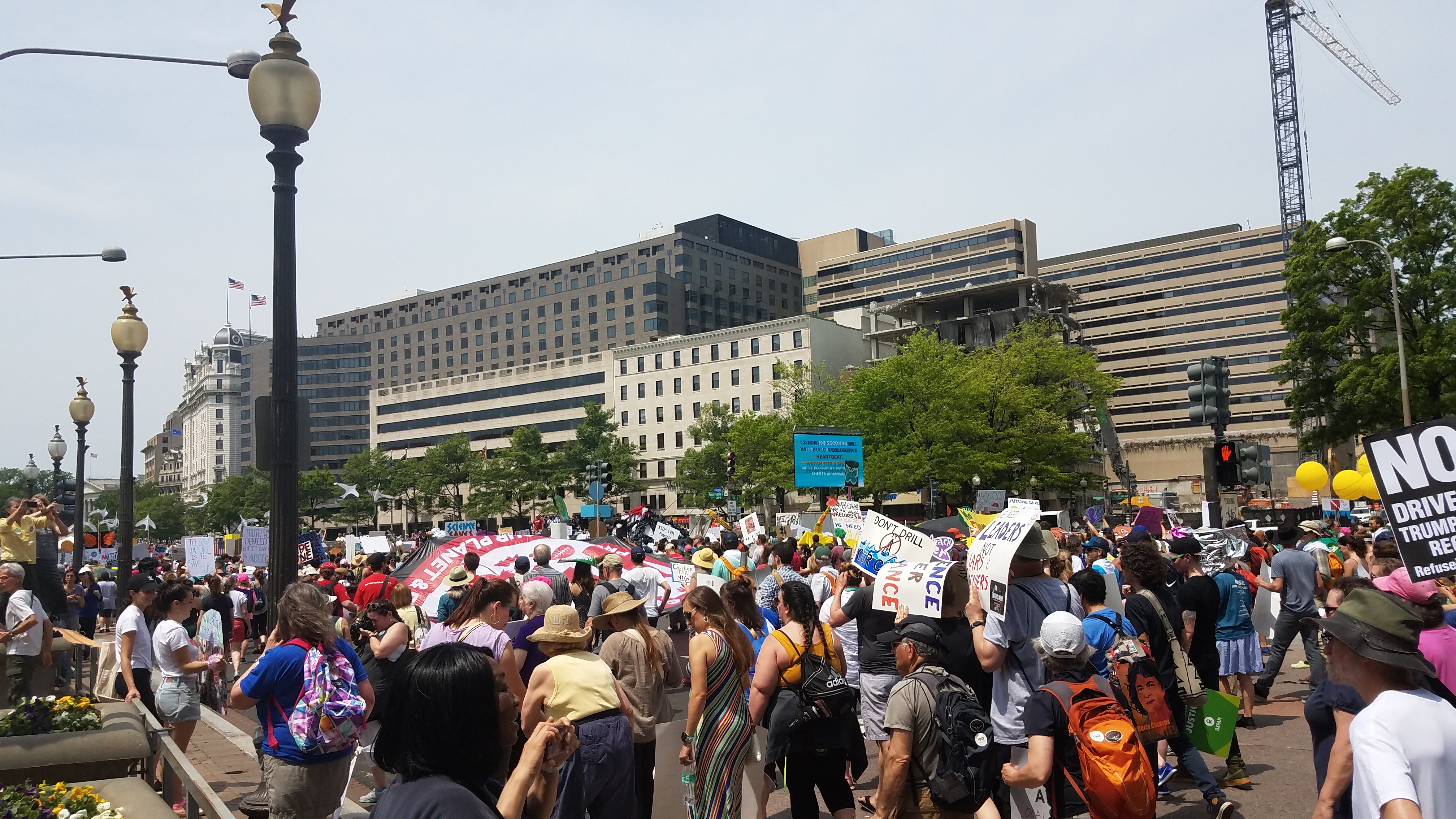
Earth Day March in D.C. Taken by Jainita Patel.

Earth Day March in D.C.
Taken by Jainita Patel.


Volunteer.

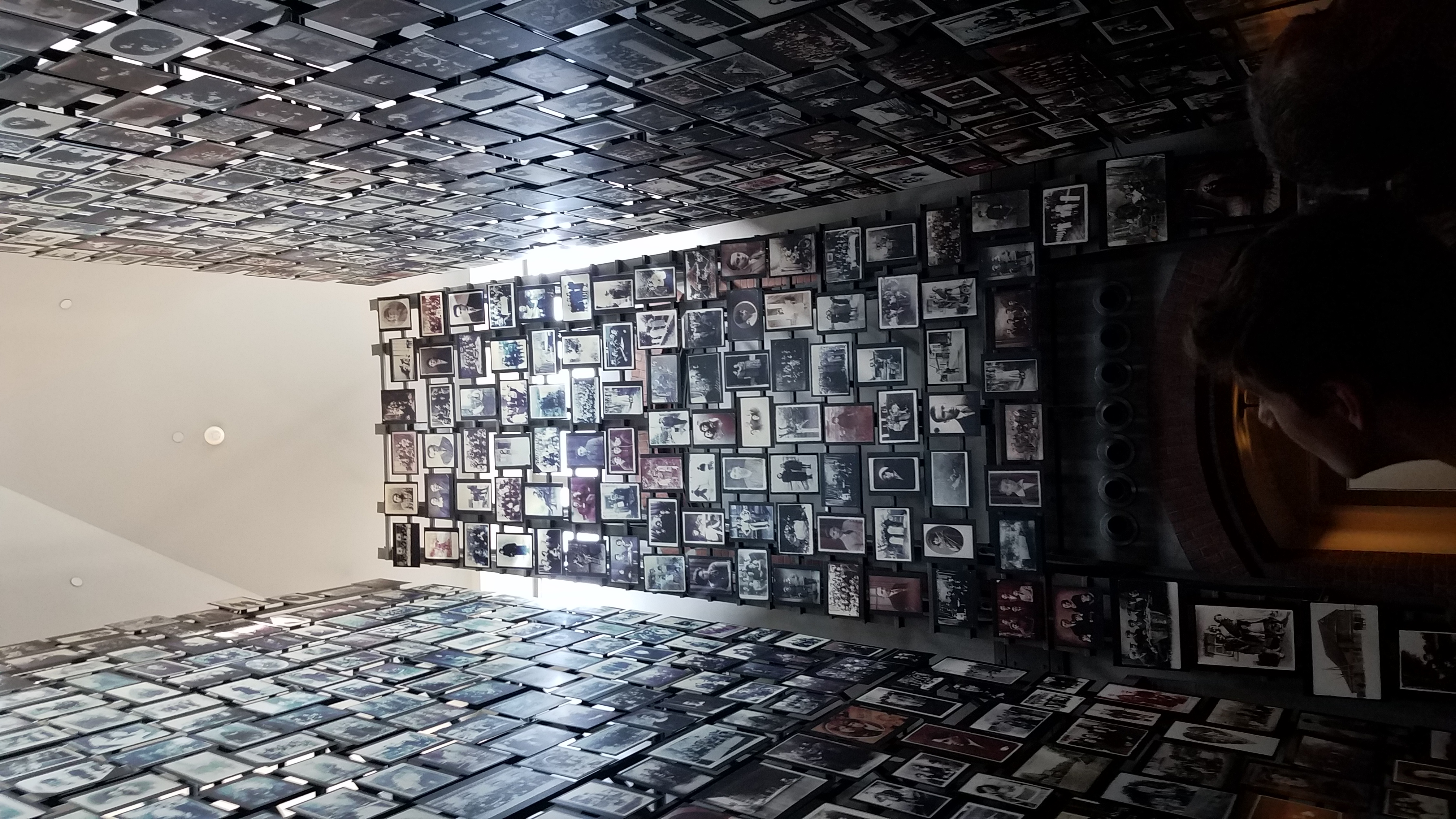
If protests aren’t your cup of tea, volunteering for a political campaign or any museum or cultural center that you care about can be a great way to support a cause you care about. In D.C., volunteering for a political campaign is a popular way to support local and federal government for the party you’re apart of. If the humanities are more your type of deal, the Smithsonian or even some smaller museums are always happy to take volunteers. The Holocaust Museum is also usually looking for volunteers. In NYC, most museums or cultural groups—especially those involving minorities—are looking for people to help run events. In both cities, homeless shelters are great places to volunteer to learn more about social and economic issues while helping someone out.

Inside the Holocaust Museum. Taken by Jainita Patel.

Inside the Holocaust Museum.
Taken by Jainita Patel.

 Vote.

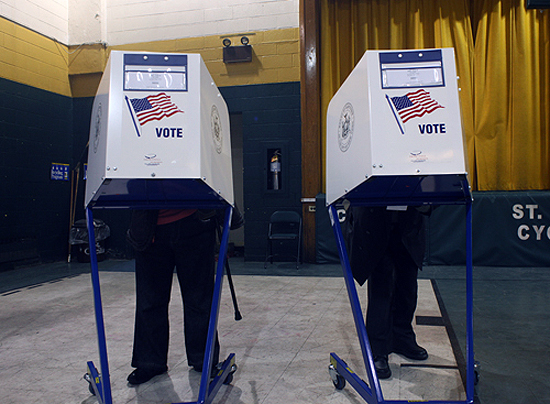
This is the most important part of getting involved politically. NYC and D.C. are two cities that are very directly impacted by local and national elections. Registering to vote is super important if you want to make an impact in your city. You can register to vote in New York here and in D.C. here. Once your register to vote, you can help volunteer by going to this site for New York and this site for D.C. Voting stations are everywhere in both cities. In New York, there are a plethora of places to vote and they can be found here. If you’re in D.C., you can find where to vote here.

Polling Station in NYC. http://www.amsvans.com/

Polling Station in NYC.
http://www.amsvans.com/

 Get to Know Your City.

One of the best ways to become politically aware in both cities is to know your city. The best way to do that is to get out there and figure out the problems in your city that you feel strongly about so you can vote for the correct candidate in your next local election. These issues don’t just have to social or economic issues, they can range from even the simplest city infrastructure problem to how your city can become more green. In a smaller town, it’s easy to go to a town meeting and voice your opinion, but this is a lot harder in a bigger city so make sure to keep up on local news and double check your sources for online articles when it comes to events in your city. Even so, the best way to figure out what you care about is to witness these issues first hand.

Whether you’re into politics or not, politics effect both of these wonderful cities. Hopefully if you enjoy the political aspect of NYC, you’ll get to experience it in D.C. one day and vice versa.

_____________________________________________________________________________________

By Jainita Patel

Jainita is a Campus Clipper publishing intern who is double majoring in English and Environmental Studies at NYU. Though writing fiction and painting are her two main passions, she also has a love of travel and adventure that has taken her across the globe.  Jainita writes under the pseudonym Jordan C. Rider. If you like her posts, you can find more of her work here or follow her on Twitter. For over 20 years, the Campus Clipper has been offering awesome student discounts in NYC,  from the East Side to Greenwich Village. Along with inspiration, the company offers students a special coupon booklet and the Official Student Guide, which encourage them to discover new places in the city and save money on food, clothing and services.  

At the Campus Clipper, not only do we help our interns learn new skills, make money, and create wonderful e-books, we give them a platform to teach others. Check our website for more student savings and watch our YouTube video showing off some of New York City’s finest students during the Welcome Week of 2015. 


Share

From New York…to Prague

Monday, July 24th, 2017

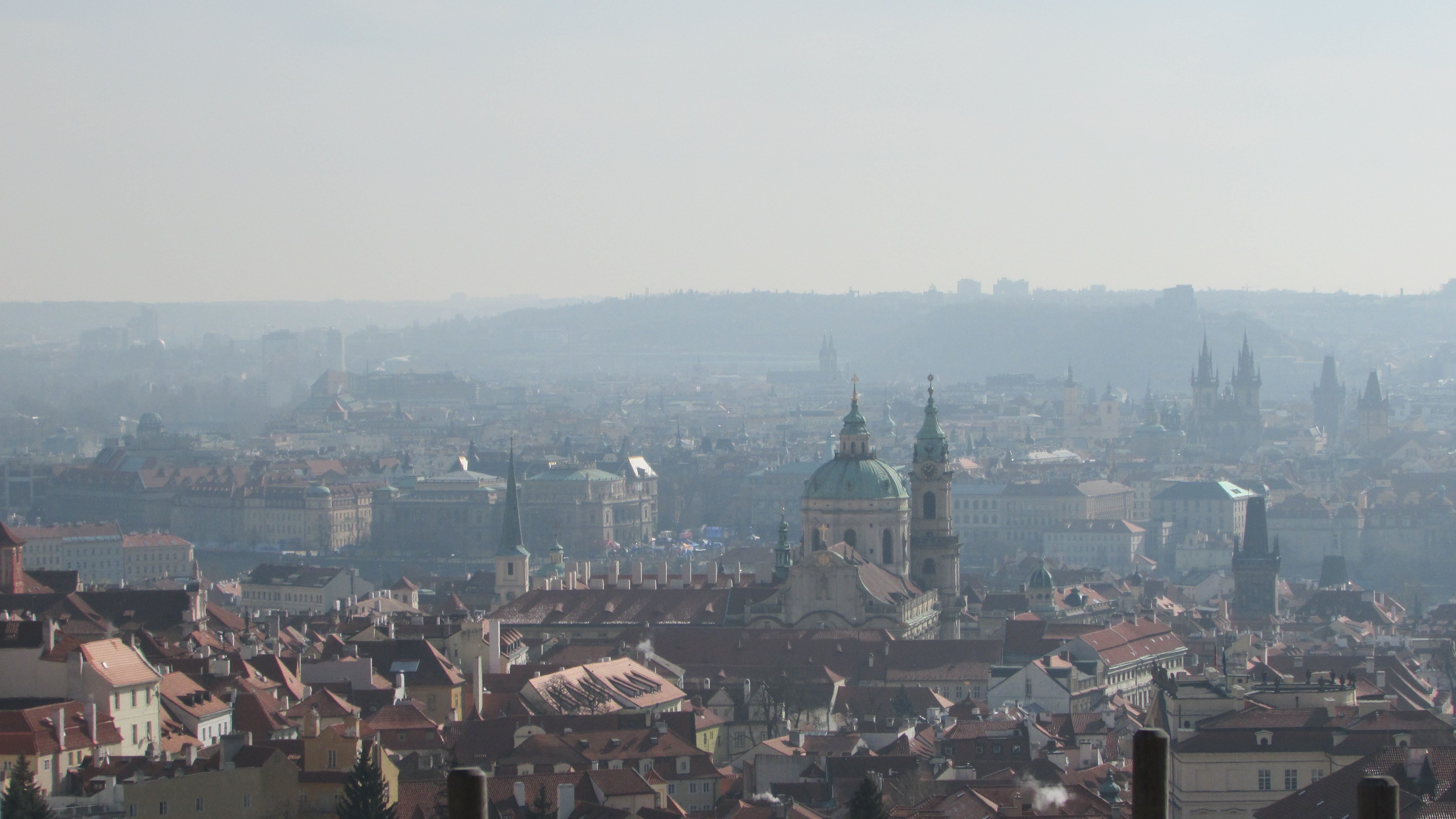
Sometimes New York can feel really claustrophobic. You are literally surrounded by tall buildings on all four sides and there is always someone just a little too close to you. This is why it’s important to have open spaces in large cities. No two cities do that better than New York and Prague.

http://www.business2community.com/

http://www.business2community.com/

View from Starhov Monastery. Taken by Jainita Patel

View from Starhov Monastery.
Taken by Jainita Patel

As gorgeous as both of these cities can be (Prague much more so than New York), sometimes you need to get away from the city without actually leaving. These open areas might help you get rid of your claustrophobia.


Parks.

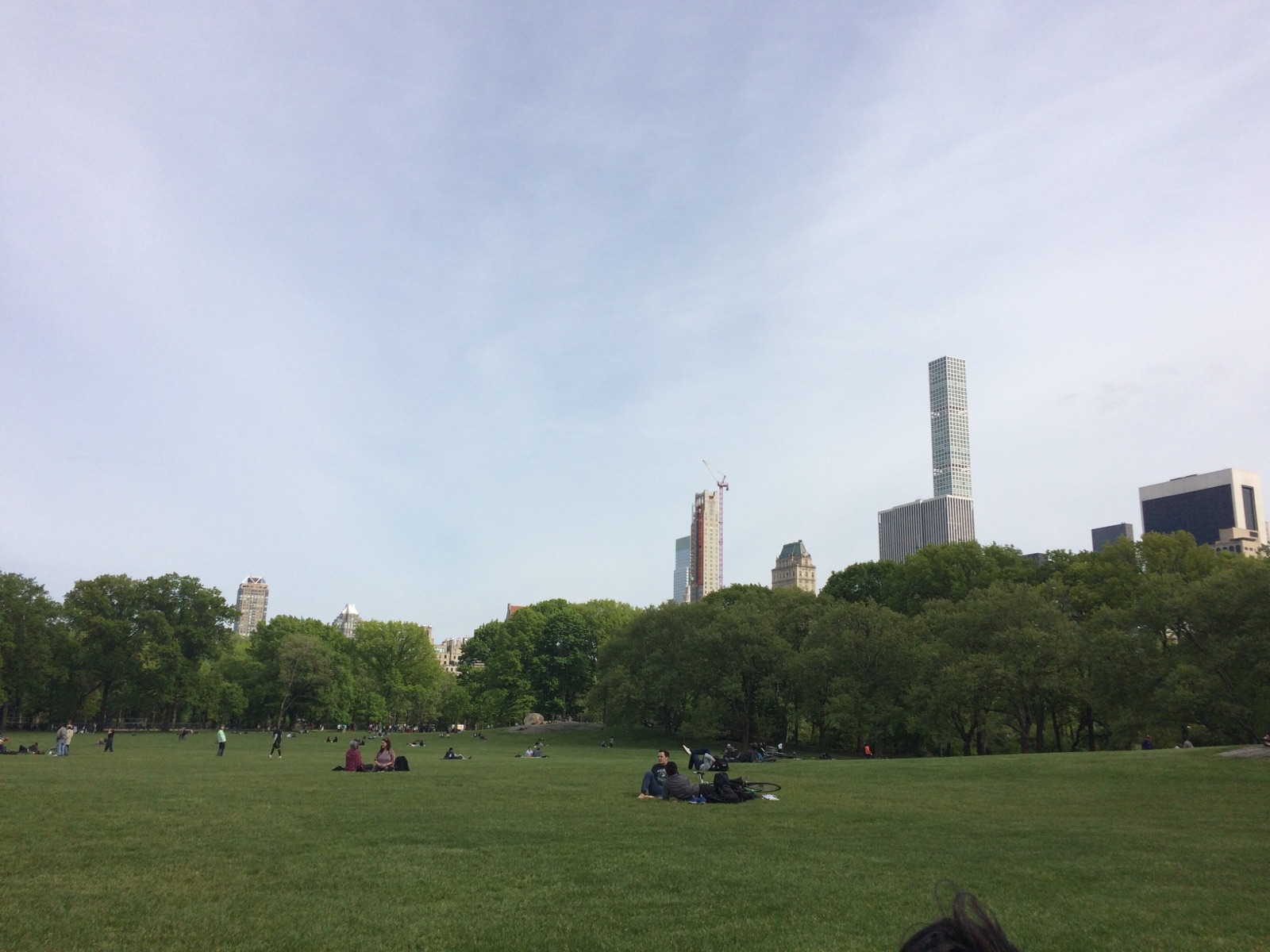
The most obvious place to get away from people is a park. This is because people go to a park to sit down and most people do not want to sit next to each other. Sheep Meadow in Central Park is an excellent place to take your blanket and stretch out with dozens of feet between you and next group of people. It’s also a great place for a picnic with friends. In Prague, there are two main parks where you can relax with while also getting a pretty scenic view. Letna Park (Letenské sady) is gorgeous and open, but Petřín Park (Petřínské sady) is my favorite, even though it is pretty far and a bit of a climb.

Sheep Meadow. Taken by Jenna Remley.

Sheep Meadow.
Taken by Jenna Remley.


Open Spaces Inside of Buildings.
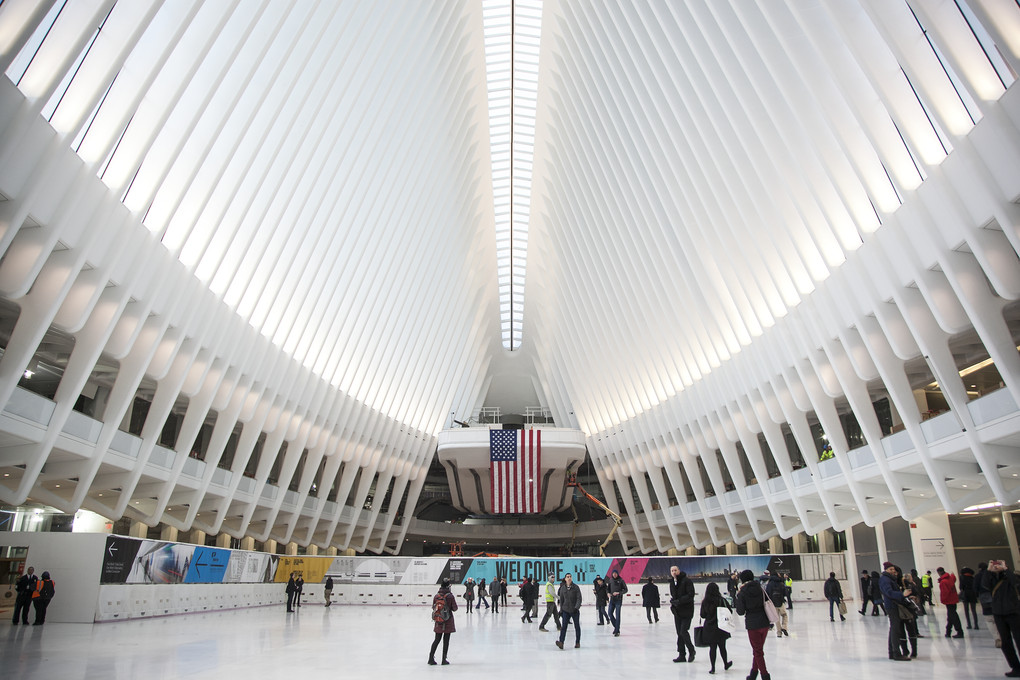
New York City isn’t just known for its tall buildings, some insane places in New York can be just as wide as they are tall. The inside of the Oculus next to the Freedom Tower feels like you’re in some kind of super sterile future world, but if you’re looking to get away from the crowd, this place can help you do just that. No matter how many people I’ve seen in that building, the inside of the Oculus makes any size crowd seem tiny. Through Prague doesn’t have anything close to the Oculus, there is something else it does does better than New York….

https://www.theverge.com/

https://www.theverge.com/


Town Squares.

When New York squares (think Union Square) are crowded and often largely unpleasant to move around, during most times of the day Old Town Square in Prague is a wonderful place to be, full of culture and music and all kinds of vendors. Though there can be crowds, they are largely underwhelming compares to those of New York. You can enjoy the square without fear of someone brushing up next to you (and if you want to get lost in a crowd, the famous Charlesbridge is right there).

View from Old Town Square. Taken by Jainita Patel.

View from Old Town Square.
Taken by Jainita Patel.

A View from Above.

Another way to avoid people and get your space is to get above the crowd. Literally. Inwood Hill at the northern tip of Manhattan is a great nature point to look out over the Heights or see the bend of the Hudson River. It provides an alternative to going up a skyscraper. In Prague, Starhov Monastery (Strahovský klášter) provides a gorgeous view and if you have a few moments the inside of the library at the monastery is almost as breathtaking as the view of the city.


Rivers.

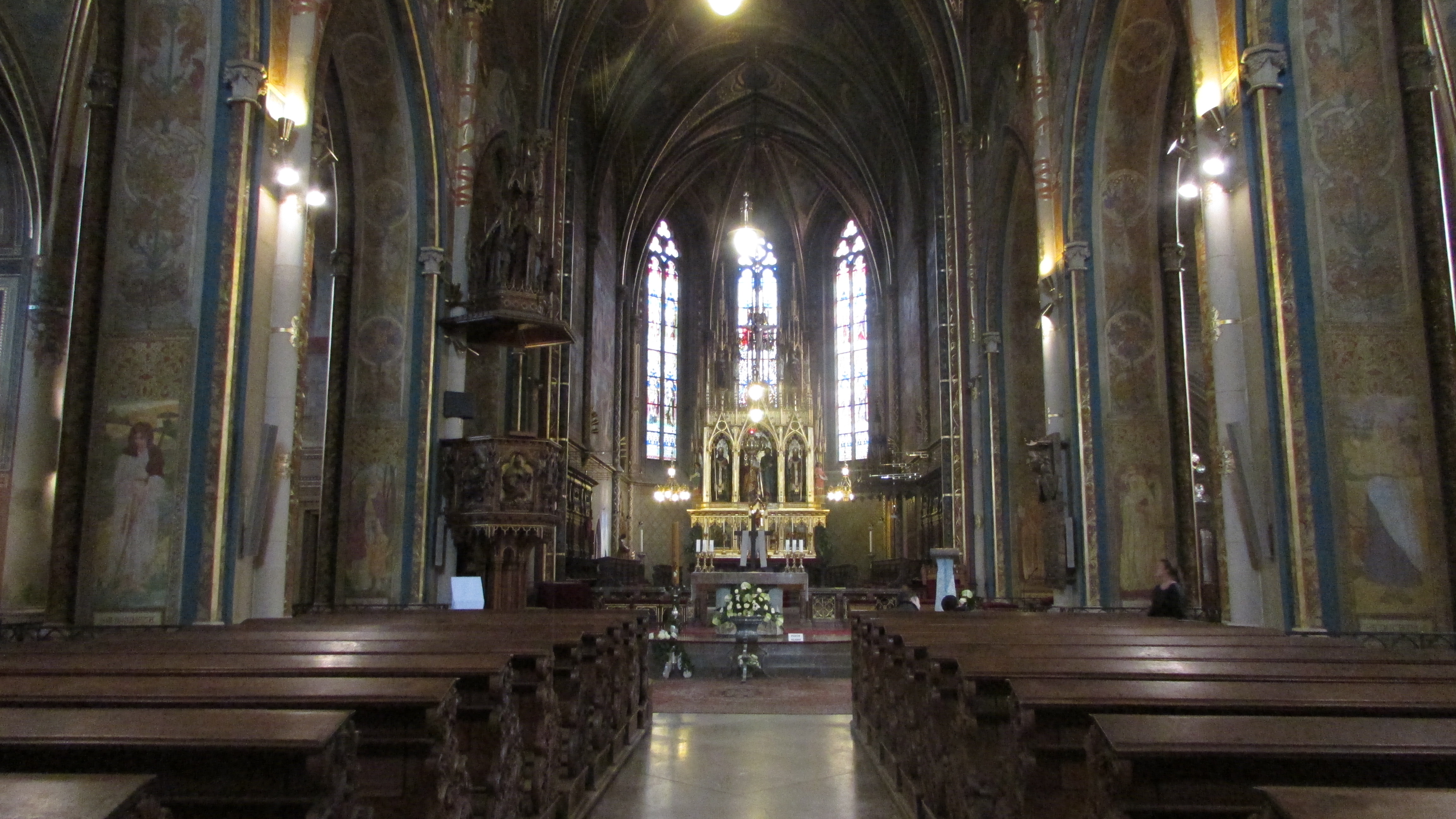
Rivers provide a wide-open view that can stretch for miles. If you’re in Manhattan, if you can walk to either side of the island, you’ll get a gorgeous view. If you can take the PATH train to the other side of the Hudson, Hoboken’s Sinatra Park barely has anyone there and the view is stunning. In Prague, next to Vyšehrad Cemetery there is the Saint Peter and Paul Basilica, which is usually empty. It’s freezing and it’s the only Cathedral that I’ve seen completely painted from the inside. Once you’re done ogling, if you go outside, there is the most gorgeous view of the Vitava River.


Inside Saint Peter and Paul Basilica in Vyšehrad. Taken by Jainita Patel.

Inside Saint Peter and Paul Basilica in Vyšehrad.
Taken by Jainita Patel.

The view from Vyšehrad.  Taken by Jainita Patel.

The view from Vyšehrad.
Taken by Jainita Patel.

If you’re feeling claustrophobic, check out some of these places. And if you like New York for its few, but gorgeous open spaces, you might like Prague. Hopefully you’ll get to visit both some day.

__________________________________________________________________________________________

By Jainita Patel

Jainita is a Campus Clipper publishing intern who is double majoring in English and Environmental Studies at NYU. Though writing fiction and painting are her two main passions, she also has a love of travel and adventure that has taken her across the globe.  Jainita writes under the pseudonym Jordan C. Rider. If you like her posts, you can find more of her work here or follow her on Twitter. For over 20 years, the Campus Clipper has been offering awesome student discounts in NYC,  from the East Side to Greenwich Village. Along with inspiration, the company offers students a special coupon booklet and the Official Student Guide, which encourage them to discover new places in the city and save money on food, clothing and services.  

At the Campus Clipper, not only do we help our interns learn new skills, make money, and create wonderful e-books, we give them a platform to teach others. Check our website for more student savings and watch our YouTube video showing off some of New York City’s finest students during the Welcome Week of 2015. 

Share

The Importance of Friendship

Wednesday, July 19th, 2017
Image Credit: Caroline Flynn

Image Credit: Caroline Flynn


Last September when my friend Maghan walked into my new apartment for the first time, tears welled up in her eyes. “It’s so lonely,” she said, overwhelmed by the pure adultness of the empty white walls and Ikea furniture. Annoyed and uncomprehending, I pushed her through the remaining 24 feet of the apartment to the window where my bed sat. “It’s not lonely. It’s perfect. And look I even have a real New York City fire escape.”

Today though, I know what she means. Summer in New York is much different than the school year. The city itself seems to sweat on even the mildest of days, the streets are crawling with tourists who wander aimlessly into your path, and all traces of college life disappear. As I sit on my real New York City fire escape, the people below are unfamiliar and my thoughts drift to faces I do know, some who are in New York and some who are not, some who I’ve seen recently and some who I haven’t. Regardless of distance and time, real life isolates me on this fire escape and loneliness creeps in as jobs, bills, and adult responsibility seem to push everyone separate ways. I feel like it didn’t used to be this way. Summers between high school were filled with constant contact and group messages, day plans and night plans and weekend plans, part time jobs and the comfort of your family home at the end of the day. Maybe I wasn’t quite prepared to be one of 8.5 million people living and working in New York City this summer.

Academic and professor of linguistics Deborah Tannen says in her book You’re the Only One I Can Tell, “Knowing that somewhere in the world there is someone who cares what you wore, an insignificant detail of your life that would seem unimportant to anyone else, makes you feel more connected to that person and less alone in the world.” This small action of sharing is capable of piercing distance and time, wiping out loneliness, and reinstating the comfort of someone else’s joys and sorrows.

The other night, my best friend and I met up with a classmate we hadn’t seen since school got out in May. During the school year, the three of us talked often and saw each other daily in class, but it had been two months since we’d all been in the same room. The conversation that night was a breath of fresh air, air that you can’t get in a city sitting alone in your room. Air that might even be hard to find in the countryside. Each breath carried new laughter and love, new stories to be shared, new heartbreaks to be healed, new plans to be made as we all felt a sense of relief from the summer’s overbearing humidity. There is nothing better in the world than long conversations that flow endlessly and seamlessly. Even as we grow up, even as we drift apart, even as we get heavy work schedules and full time jobs, even as new people in our lives come and go, it will always be hard to feel completely alone if you can make the effort to keep up friendships and conversations.

A relationship that can withstand crowds of people, state or country borders, and days and weeks of not seeing each other is a strong one. Slowly I am learning that the bond is there even if they are physically not. So next time I find myself sitting on my fire escape, reminiscing the days when making friends was more important than making money and building my resume, I’ll remind myself that although there might be a thousand people between me and the next familiar face, the familiar face is the one that matters.


By Caroline Flynn

Caroline Flynn is a Sales and Publishing Intern at the Campus Clipper studying Theatre at NYU Tisch. Caroline is passionate about the arts and dedicated to using her voice to make other people smile. As she heads into her Junior year, she is excited to be writing about how relationships have shaped her life while she takes on summer in the city for the first time. Check out her Instagram for more witty and heartfelt content on her life. 

We have the most talented interns ever and we’re so proud of them! For over 20 years, the Campus Clipper has been offering awesome student discounts in NYC,  from the East Side to Greenwich Village. Along with inspiration, the company offers students a special coupon booklet and the Official Student Guide, which encourage them to discover new places in the city and save money on food, clothing and services.  

At the Campus Clipper, not only do we help our interns learn new skills, make money, and create wonderful e-books, we give them a platform to teach others. Check our website for more student savings and watch our YouTube video showing off some of New York City’s finest students during the Welcome Week of 2015. 


Share

From New York to…Vienna

Monday, July 17th, 2017

Cities can be gross, crowded places to live. Because of this, we sometimes forget to well…look up. The amount of effort and planning that went into the buildings around us is often lost when we’re caught up in the rush of getting to work or class. This is especially true in New York, where I’m usually too concerned with the location of the F train to look around and see some of the huge, insane works of art that skyscrapers and other buildings are. Another place I found this to be true was Vienna, home to some of the most glorious architecture I’ve ever seen.

https://www.manhattandigest.com/

https://www.manhattandigest.com/

Taken by Jainita Patel.

Taken by Jainita Patel.

If you have a minute to stop and look up, here are a few of the things that might surprise you:


Places of Worship.

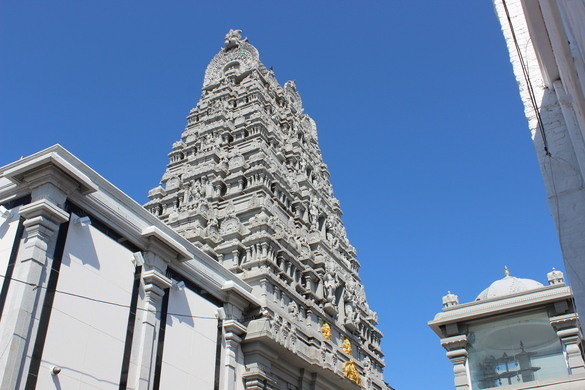
As a means to preserve culture, centers of worship tend to be some of the most intricate works of architecture in the world. Since both New York and Vienna are mainly Christian, most of these places tend to be cathedrals. In New York, the Cathedral of St. John the Divine and St. Patrick’s Cathedral spring to mind immediately as extremely impressive buildings that stand out in the urban streets. In Vienna, Votivkirche is a well-known cathedral with a breath-taking exterior. Karlskirche in Vienna on Karlplatz is not so impressive from the outside, but the baroque architecture inside is sure to stun you—if you go, be sure to take the elevator all the way up to see the fresco ceiling up close. In both New York and Vienna, however, cathedrals are not the only houses of worship with impressive architecture. If you’re willing to make the trip, the Hindu Temple Society of North America has an extraordinary Ganesh Temple (or Mandir) in Flushing that is built in the traditional Hindu architectural style. In Midtown, the Central Synagogue looks as stunning form the inside as it does the outside and it’s hard to miss even if you’re in a hurry to catch the next train. In Vienna, there is a Shaolin Temple Culture Center (Shaolin Tempel Kultur Zentrum) built in a traditional fashion with gorgeous gardens. Also in Vienna, the Islamic Centre of Vienna (Islamisches Zentrum Wien) lies just beyond the Danube and is worth the trip.

http://assets.atlasobscura.com/

http://assets.atlasobscura.com/

Votivkirche Taken by Jainita Patel.

Votivkirche
Taken by Jainita Patel.


Skyscrapers.

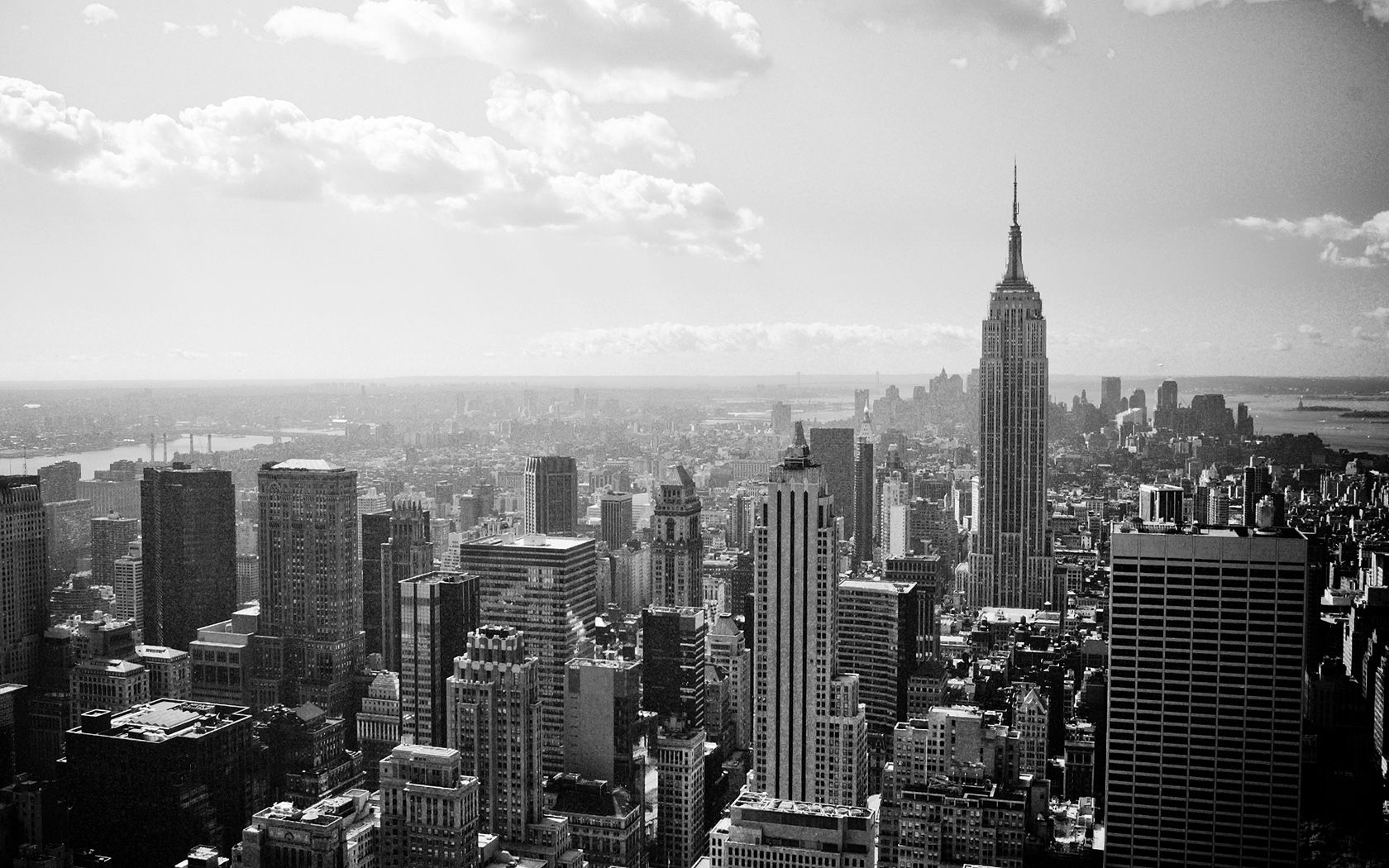
New York is known for its tall skyline. The Empire State Building and the Freedom Tower are some of its most famous structures, but if you get a chance, feel free to swing by 8 Spruce St. for it’s mesmerizing exterior or 56 Leonard St. which looks like a precarious game of Jenga. In Vienna, the Millennium Building towers over downtown, mixing the old and the new. The IZD is also an interesting building, even more so once you realize that the U.S. NSA has an office at the top of this famous skyscraper.


Palaces and Castles.

This might be one place New York falls a little short. New York is old, but it cannot even be compared the age of the older European cities. There is, however, one building in New York that looks a bit like a castle. The Park Avenue Armory looks like a fortified castle from the outside—it even has turrets. The outside of this building is of architectural interest, but the inside is even more so. In Vienna, there is no lack of royal residences, but my favorite is Belevedere, a palace built in the same baroque style as Karlskirche. Now an art museum, the slightly expensive price (€22 for all 3 sections) to enter the museum is worth seeing the works inside—including The Kiss by Gustav Klimt—and the gorgeous gardens and architecture.


Odd, Secret Spots.

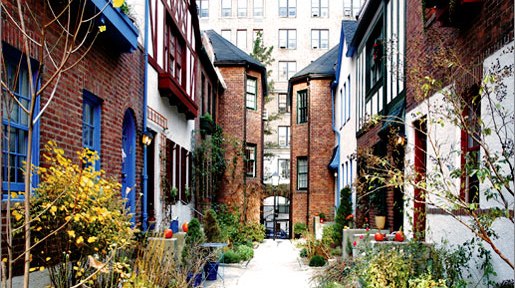
Sometimes in city life you need a slightly idyllic respite from the rushed life style. Luckily, there are two spots in Manhattan that provide a few seconds of breathing room on your way to that important meeting you just can’t miss. As most NYU students know, Washington Mews with its cobblestone road is a cute little spot to just take a stroll and some silly pictures. The old-style architecture of the building on the Mews will just take you back in time for a brief minute. Another secret street in NYC is Pomander Walk. Located on West 95th St. between Broadway and West End Avenue, Pomander Walk is surrounded by gorgeous Tudor-style buildings. In Vienna, though I don’t know any secret walks like the Mews or the Walk, there is Hundertwasserhaus, an apartment building that is designed and painted to look like an expressionist piece of artwork. It’s a bit of a surprise to see that walking down the streets of Vienna so it will certainly catch your eye. There are a few expressionist buildings in Vienna so keep an eye out.

Pomander Walk http://daytoninmanhattan.blogspot.com/

Pomander Walk
http://daytoninmanhattan.blogspot.com/

Hundertwasserhaus http://photos.wikimapia.org/

Hundertwasserhaus
http://photos.wikimapia.org/

So take a minute and look around you and soak it all in. Cities are beautiful (most of the time). And who knows? Maybe if you like New York for its architecture, you’ll get to see Vienna’s some day or vice versa.

__________________________________________________________________________________________

By Jainita Patel

Jainita is a Campus Clipper publishing intern who is double majoring in English and Environmental Studies at NYU. Though writing fiction and painting are her two main passions, she also has a love of travel and adventure that has taken her across the globe.  Jainita writes under the pseudonym Jordan C. Rider. If you like her posts, you can find more of her work here or follow her on Twitter. For over 20 years, the Campus Clipper has been offering awesome student discounts in NYC,  from the East Side to Greenwich Village. Along with inspiration, the company offers students a special coupon booklet and the Official Student Guide, which encourage them to discover new places in the city and save money on food, clothing and services.  
At the Campus Clipper, not only do we help our interns learn new skills, make money, and create wonderful e-books, we give them a platform to teach others. Check our website for more student savings and watch our YouTube video showing off some of New York City’s finest students during the Welcome Week of 2015. 

Share

From New York to…Berlin

Tuesday, July 11th, 2017

Every city has its story. Some are built on peace and trust, but most upon revolution and blood. I might be of the minority opinion, but I think it’s important to know the history of the place you live or visit. It tells a bigger story. Isn’t that what college is about? Discovering what you believe based upon your knowledge of the world? For American history, no place is better for that than New York City (except maybe D.C.). For Western-focused history, I think no city carries that weight better than Berlin.

In New York it’s a little easier to ignore history when there’s so much hustle and bustle around us. A lot of us don’t stop to think unless we decide on a day and time to go to a specific place and think about the history of how this great city came to be. It’s a little different in Berlin. Its past drags on you as you walk through its streets and there are signs of history everywhere—a city trying to wipe away its past through modernization.

www.pinterest.com

http://pinterest.com/

http://voss-photography.com/

http://voss-photography.com/

Since it’s humbling and humanizing, I’ve made a list of places you can stop and think about the past in both Berlin and New York:

History Museums.

Museums are meant to be quiet places to look at precious items and ponder their meaning. History museums are some of the most impactful places in any city. This is especially true for New York and Berlin. In New York the National Museum of the American Indian brings to light not only the history of New York, but also of this land. It’s a humbling experience and allows you to see the stories and artwork of the Native Americans before and after European settlers. New York boasts many other history museums, but one of the best is a bit far from Manhattan. If you can get there, the Ellis Island Immigration Museum helps anyone understand what makes modern day New York so wonderfully diverse and will give you a sense of the historical struggle of your ancestors. Berlin is filled to the brim with museums about history. One of these is the German Historical Museum or Deutsches Historisches Museum, which shows the history of Germany from its founding to its scarred past and hopeful future.


Tragedy Museums.

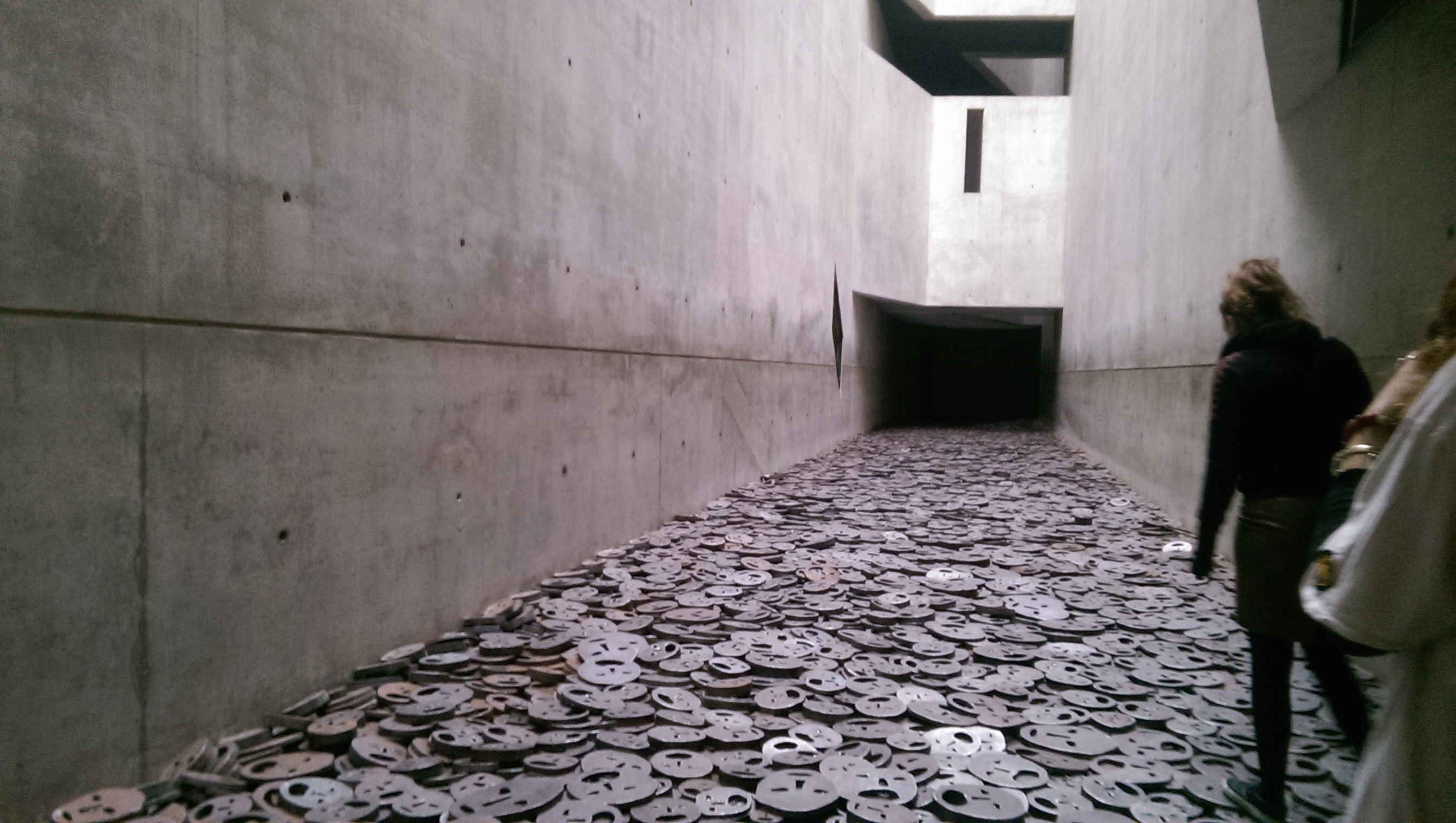
I define museums of tragedy as separate from museums of history because the weight of self-awareness you feel in a museum centered on tragedy is innately different from that of history. The National Museum of the American Indian is also a museum of tragedy to me, but the museum itself focuses mostly on the beauty of Native American culture rather than on their horrific plight. Another museum where New Yorkers will certainly feel the heaviness of tragedy is the 9/11 Memorial and Museum in the Financial District. Though this one may leave you feeling hollow and oddly aware of yourself and your fellow New Yorkers, it’s definitely worth visiting if you’re thinking about the past. For Berlin, the Jewish Museum will impact you in ways you didn’t even know were possible. It’s earthshattering and the mixture of art and history is made to let history overwhelm you. And you should let it this once. It’s worth it.

9/11 Memorial Pond. https://www.nycgo.com/

9/11 Memorial Pond.
https://www.nycgo.com/

Art Installation at the Jewish Museum in Berlin.  Taken by Jainita Patel

Art Installation at the Jewish Museum in Berlin.
Taken by Jainita Patel


Monuments and Memorials.

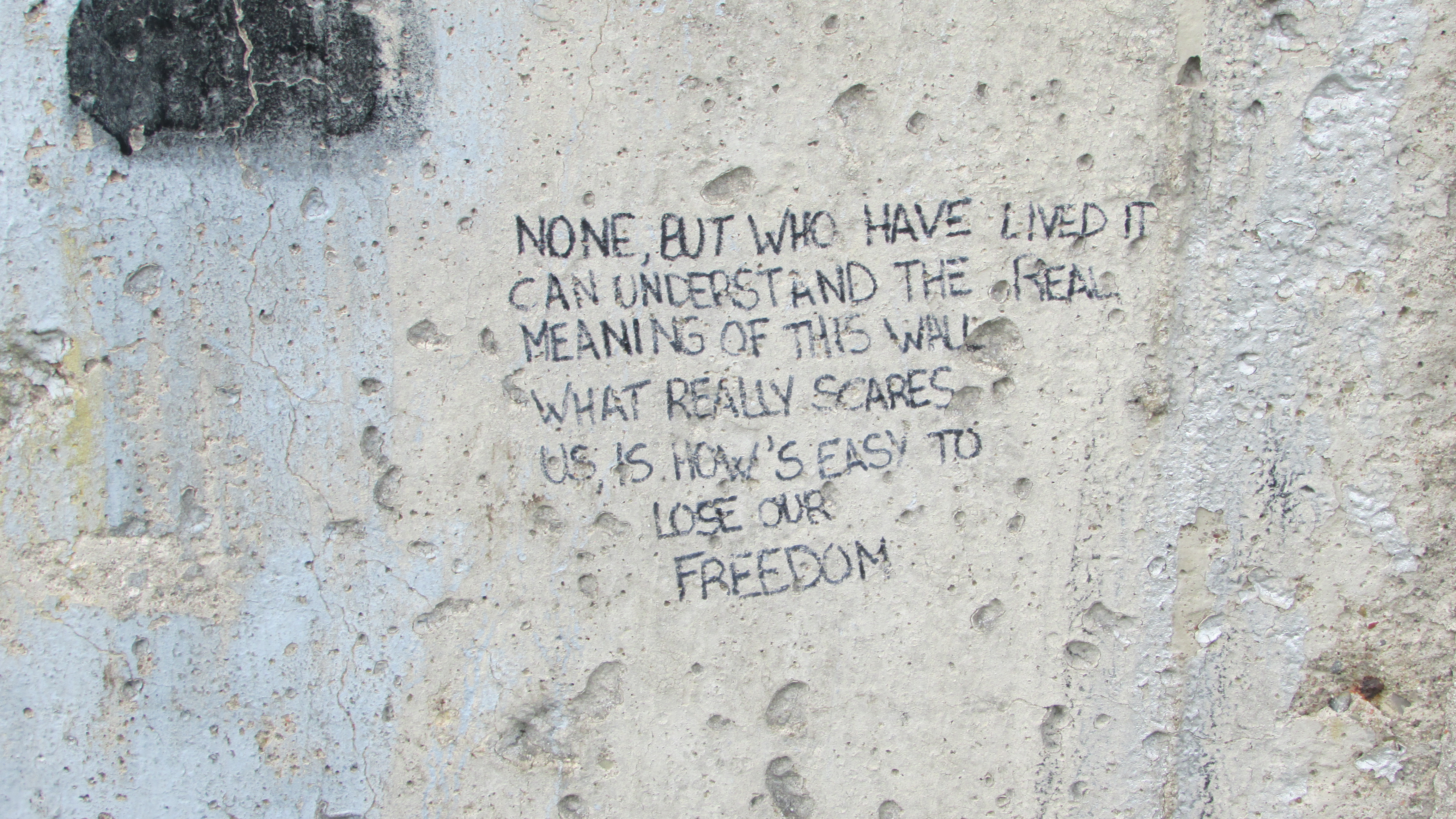
I’m honestly not quite sure where to begin with this one for New York, so I’m going to state the one I love the most that always takes me back in time: Green-Wood Cemetery in Brooklyn. Here you’ll find monuments dedicated to almost every war fought by American soldiers. If wars don’t interest you as much as common life, almost every grave in the cemetery has a story. Not to mention the place is gorgeous. If you’re looking for a more patriotic monument, Trinity Church on Wall St. has some of the most famous revolutionaries buried there including Alexander Hamilton and his family. A comprehensive list of New York monuments to sit and reflect upon can be found here. Berlin has a historical monument on every corner, but three very specific monuments had a huge impact on me: 1) The Berlin Wall Memorial. There is a piece left standing of the Berlin Wall in Brunnenviertel that has scribbles of graffiti proclaiming freedom that remains from just 25 years ago. It really puts the past into perspective. 2) The East Side Gallery. Also a piece of the Berlin Wall, this international memorial for freedom on Mühlenstraße will have you looking at art and history as two inseparable mediums by which to explore the past. 3) Memorial to the Murdered Jews of Europe (and the nearby Großer Tiergarten—which contains the Memorial to Homosexuals Persecuted Under Nazism—and the Memorial to the Sinti and Roma of Europe Murdered under the National Socialist Regime which is by Brandenburger Tor). This last one is more of an art piece, but just as powerful.

Civil War Memorial at Green-Wood Cemetery. http://sallyminker.com/

Civil War Memorial at Green-Wood Cemetery.
http://sallyminker.com/


Graffiti on the Berlin Wall Memorial. Taken by Jainita Patel.

Graffiti on the Berlin Wall Memorial.
Taken by Jainita Patel.

Right Outside Your Door.

You know those nights were you just sit outside your small NYC dorm or apartment and look at the street and starless sky? Or when you walk to class or work, avoiding the traffic and ignoring your aching feet? There’s history there, right underneath you and around you. It’s a place to begin thinking about the rich histories and the lessons we can learn from it. It’s important, especially in cities with pasts like New York and Berlin.


So there it is—this week’s oddly sad and moving tips on how to connect with a deeper part of yourself and the world. Who says you can’t enjoy yourself while being pensive and having your mind blown? And who knows? If you like either city for the weight of its history, maybe you’ll get to visit the other some day.

__________________________________________________________________________________________

By Jainita Patel

Jainita is a Campus Clipper publishing intern who is double majoring in English and Environmental Studies at NYU. Though writing fiction and painting are her two main passions, she also has a love of travel and adventure that has taken her across the globe.  Jainita writes under the pseudonym Jordan C. Rider. If you like her posts, you can find more of her work here or follow her on Twitter. For over 20 years, the Campus Clipper has been offering awesome student discounts in NYC,  from the East Side to Greenwich Village. Along with inspiration, the company offers students a special coupon booklet and the Official Student Guide, which encourage them to discover new places in the city and save money on food, clothing and services.  

At the Campus Clipper, not only do we help our interns learn new skills, make money, and create wonderful e-books, we give them a platform to teach others. Check our website for more student savings and watch our YouTube video showing off some of New York City’s finest students during the Welcome Week of 2015. 

Share

Winning Over Your Professors

Tuesday, June 27th, 2017

In college, we all realize that there is no one way to eat, work, learn, or live. This principle extends beyond just student life: there is also no one way to teach. Just like everyone else, professors come in all different shapes and sizes–and for this reason, so do college courses. If you want to find good personal study habits, you have to first understand as much as you can about the person who decides what you have to study. Here are some tips to help you choose the right professors, and, when the time comes, impress them!

Choosing a Professor
Have high expectations for what you can accomplish in a class. If you can handle being challenged (and I’ll bet you can), choose professors with a reputation for expecting a lot of their students. It isn’t hard to figure out which professors these will be–lots of us already know about sites like ratemyprofessors.com that give us students the opportunity to anonymously praise our professors or similarly take our anger out on our keyboards in a show of a semester’s worth of pent up frustration. When you read these reviews or even when you hear about a professor from a friend, take everything with a grain of salt. You are different from everyone else: don’t lose sight of the kind of student you are or the kind of student you aspire to be when you consider others’ opinions. If you want better study habits, a great way to get them is to choose a professor who has a reputation for encouraging learning in a way that works for you–and that means not taking the easy way out.

https://www.dreamstime.com/

Making the Impression
If you’ve already chosen the best professors for yourself, or at least tried to, then winning them over shouldn’t be hard! It will, however, take some planning and thoughtfulness. Like I said, all professors are different, but it generally takes a just little more than turning on the charm to show them you’re serious about their classes. I like to set small rules (small enough that I know I can keep them up all semester) that will help me show my professor my best self. For starters, if technology is allowed in class but not encouraged, I recommend you stay away from it. It will set you apart from everybody else in the class and, even if you don’t believe it, actually help you pay attention. And regardless when you actually start assignments (though you can read last week’s post for some tips on planning ahead), always read the handout explaining the assignment on the first day you get it. It only takes a few minutes and it spares you the dreaded possible fate of starting an assignment at the last minute and realizing you’re doomed by unclear instructions.

If you read all instructions as soon as possible, go out of your way to ask early questions! Nothing too obvious, but if you email your professor early on to ask advice about an idea for an assignment, they will notice your dedication and respect for their opinion. This also goes a long way to help you get your name recognized and get face time with your professor–don’t underestimate how important this can be. It’s the only way to avoid being just another face in a large class.

With these tips in mind, you’ll be ready to impress and finally kick the stress. Whether you’re enrolling in next semester’s classes soon or you’re drowning in midterms for classes you wish you’d never chosen, keep this advice in mind to boost your grade and your morale.


By Madeleine Fleming

Madeleine Fleming is a Campus Clipper publishing intern and a rising sophomore at NYU.  A lover of reading, writing, and learning in every way possible, Madeleine is excited to be writing about college study habits for the Campus Clipper. For over 20 years, the Campus Clipper has been offering awesome student discounts in NYC,  from the East Side to Greenwich Village. Along with inspiration, the company offers students a special coupon booklet and the Official Student Guide, which encourage them to discover new places in the city and save money on food, clothing and services. 

At the Campus Clipper, not only do we help our interns learn new skills, make money, and create wonderful e-books, we give them a platform to teach others. Check our website for more student savings and watch our YouTube video showing off some of New York City’s finest students during the Welcome Week of 2015.

Share

From New York to…Amsterdam

Tuesday, June 27th, 2017

New York and Amsterdam. These two cities together have a context that brings to mind debauchery and nighttime revelry that you’re bound to regret the next morning. But that’s not what we’re talking about today. Today, we’re talking about confusion.

Any city is confusing if you’ve never lived there before. You don’t know the neighborhoods or the areas to avoid, and you’re bound to get lost the first few times you visit. Sometimes this is fun and you can find new places, but most of the time it’s just inconvenient.

So here are a few tips to help you get the most out of your time in both of these gorgeous cities:

http://wallup.net/wp-content/

http://wallup.net/wp-content/

Taken by Jainita Patel

Taken by Jainita Patel


Roads and Rivers.

Every place has a certain road or river that brings a level of comfort since you know that when you find it, you can find your way home. The best way to orient yourself in either city is to find that one road. In New York, for the first few years that road was Broadway. No matter where I was, if I could find Broadway, I could get home even if my phone was dead. As time moved on and I switched apartments, my main landmark became the East or Hudson River. In New York, we get lucky as we’re on an island and a grid system. Try going to Boston or Amsterdam and this becomes a little more complicated. In Amsterdam, I’d suggest making the Prins Hendrikkade road and s100 highway your main roads. These are a bit on the outskirts, but they encompass most of the Centrum or downtown. If you go past that, the Amstel Canal is your best bet.


Neighborhoods.

Familiarize yourself with the neighborhoods before you decide to go to visit them. I’m more comfortable downtown than uptown, but once a few of my friends moved to the Heights and Harlem, I decided to find my main roads up there just incase I couldn’t charge my phone at night. This might come in handy, especially out in the boroughs. In Amsterdam, the canals are beautiful, but they can seriously confuse you, especially if you decide to live outside of Centrum, so it might be good to familiarize yourself with the main roads ahead of time as well.


Public Transport.

You don’t have to know where you are if you can find the one train station that will take you anywhere—or at least home after a long night. In New York, Midtown is probably a good place to start. 42nd St. and 34th St. have most of the lines you’ll need to journey in Manhattan. If you get on the wrong train, don’t worry. Just climb abroad one going back to that central station and try again. NYC’s subways are tricky to get used to at first, but in a week you’ll get it down. The maps are pretty easy to read and are available in most subway carts and stations. At Amsterdam Central Station, you can find a metro, bus, or tram to wherever you need to go and can easily purchase a temporary OV-chipkaart at the station.


Embrace It.

If you have time to get lost, embrace it. You’ll find some of the coolest spots when you’re not looking for them or staring at your GPS trying to see where you missed that last turn. Amsterdam, especially is beautiful and relatively safe to wander at night. On the canals you’ll see some of the most beautiful sights a city has to offer. New York isn’t short on its beautiful spots either. East River Park is stunning and the sight of the Freedom Tower is something to marvel at when the sun is setting.


http://brokelyn.com/

http://brokelyn.com/

Taken by Jainita Patel

Taken by Jainita Patel

And of course, if you have a GPS app on your phone, you don’t even have to worry about this, so enjoy yourself! Get lost on purpose and let the freedom of it wash over you. And who knows? If you like getting lost in New York or Amsterdam, hopefully you’ll get a chance to visit the other some day.

Stay rad,
Jainita

__________________________________________________________________________________

By Jainita Patel

Jainita is a Campus Clipper publishing intern who is double majoring in English and Environmental Studies at NYU. Though writing fiction and painting are her two main passions, she also has a love of travel and adventure that has taken her across the globe.  Jainita writes under the pseudonym Jordan C. Rider. If you like her posts, you can find more of her work here or follow her on Twitter. For over 20 years, the Campus Clipper has been offering awesome student discounts in NYC,  from the East Side to Greenwich Village. Along with inspiration, the company offers students a special coupon booklet and the Official Student Guide, which encourage them to discover new places in the city and save money on food, clothing and services.  

At the Campus Clipper, not only do we help our interns learn new skills, make money, and create wonderful e-books, we give them a platform to teach others. Check our website for more student savings and watch our YouTube video showing off some of New York City’s finest students during the Welcome Week of 2015. 

Share