Gasp! If you’re really into fashion, I know how that sounds. Fashion is art and art is sacred, and this is sounding like an oxymoron?
Well, we are on the subject of modernity and if modernity is the inherent fiber that makes the American urban young-adult aesthetic as commercially successful and as cultural relevant as it is then fashion must be predisposed to imitating its nature, one that mutates and evolves. Which is why fashion is meant to be disposable—it’s meant to be functional and it’s meant to be aware of itself.
You have your fashion staples, pieces that never go out of fashion, timeless pieces passed down from generations that remain profoundly embedded in the vision of every contemporary class of fashion makers and influencers since its time. We can cite Diane Von Furstenberg’s wrap dress as one of those revolutionary pieces that easily made themselves permanent fixtures of American fashion and are now deservedly iconic. Combining a minimalist design with equal parts high functionality and artistic direction is genius that transcends both time and culture. You can now walk into most fashion retail department stores around the U.S and see a wrap dress on display and it won’t feel retrospective or vintage. The prints, the colors, the textures even, will be as modern as our time but the design remains essentially classic.
Or we may look at a simpler paradigm…
American blue jeans, who doesn’t own a pair? This garment probably holds the same importance to the mediated image of American fashion as Bourbon whiskey does for American leisure. The key seemingly is a formulaic dose of design and function. A pair of denim trousers as an innovation at its time was simply a reaction to the social shift in the workplace. No longer did textile need to be spun at home by hand while adhering to dress etiquettes of propriety and decorum. Because of the much dirtier nature of factory work and because of available means to mass produce, a new industrial population demanded more casual, more utilitarian fashion, in effect more disposable fashion— cheap practical simple design—fashion that was not in essence concerned with art but with a primary objective of being wearable.
Inevitably, all fashion ends up reflecting on its approximate culture being bred from the intellectual and material resources of that culture. All design as a general rule takes a creative direction. But the more disposable fashion becomes, the less we see a creative direction in lieu of wear-ability and the more adaptable it is to our own creative expression. Fashion as a disposable commodity responds to the modernity of culture, our need for self-expression, our need for high functionality paralleled to the high-paced structures of our lives, and our endless appetite for consumption and instant gratification. Ideally, fashion has to be obsolete and we want it to be. When constantly seeking ‘the new’ and ‘the modern’, we don’t get that without recycling ‘the old’ to generate new ideas.
So we must go back to modernity and also understanding the instrumental role of fashion being functional for use and disposable for value. We may thus understand why the American aesthetic is ideal to be at the forefront of fashion globally—why people in all corners of the world aspire to the white tee and blue jeans, perfectly bracketed within urban young adult imagery, the most important shaper of culture
————————————————————————————–
Margael St Juste, Hunter College ’15
Follow the Campus Clipper on Twitter and Like us on Facebook!
Interested in more deals for students? Sign up for our bi-weekly newsletter to get the latest in student discounts and promotions and follow our Tumblr and Pinterest. For savings on-the-go, download our printable coupon e-book!

 This blog series is a serialized look at fashion as a function and inspiration in our everyday lives. It explores the urban young-adult aesthetic in modern American culture, specifically in New York City. If you are reading this series, you’re somewhat familiar with urban fashion trends or perhaps you fit the aforementioned demographic. The urban young-adult aesthetic likely saturates every form of media from music to films and other visual arts that you consume. You find that a touch of it lingers in the background track of your favorite dance song when you hear heavy platform shoes on hardwood floors or the clink of metal on some over accessorized clubgoer. You notice that the film adaptation of your favorite young-adult series uses the popular color scheme from the runway that year. It is no coincidence that fashion concepts marketed to young-adults are such popular motifs in other art forms. The young adult is powerful in any form of art. The confluence of their unique and modern generational experience fused with newfound independent thinking, without fail, makes every generation of young adults the most important shapers of culture.
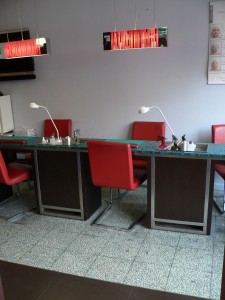 go the extra mile.) I decided I’d get a manicure before my appointment, so I picked out a pale pink Essie color and took a seat at table right away. The woman who did my nails was extremely thorough when she was prepping them, and very neat with the polish itself. I learned that all of Vada Spa’s employees all had at least five years of experience before coming there, and anyone who’s ever gotten a messy manicure knows that this really makes a huge difference.


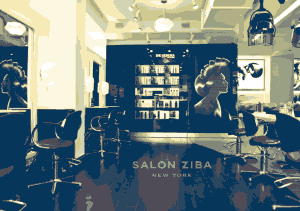 good hair day, I know. My hair is thick and curly, which in summer months best translates to massive and frizzy. I’m used to wearing my hair up in a bun almost all the time over the summer, and it’s less because of the heat than because my hair just gets unmanageable. I was determined to fight back this year, and so I looked into upscale hair salons hoping that there would be some difference between the fancier places and my usual local ones. What I wound up trying was Salon Ziba, downtown by NYU. I want to talk a little about my experience there. (Spoiler Alert: great haircut, great people, great price, happy Laura.)