As someone who used to struggle with study skills in high school, especially when preparing for AP exams, I often questioned my own abilities. Looking back, I realize that I wasn’t unintelligent I simply hadn’t yet learned how to study in a way that worked for me. At the time, however, it was easy to believe that my grades reflected my worth. That mindset and my self-esteem made me doubt whether I was capable of succeeding academically.

European Library
I was the type of student who usually did okay while in high school, but my performance often depended on how overwhelmed I felt. Before a major exam, I would spend hours stressing about what I didn’t know rather than focusing on what I had already learned. Sometimes all of that effort paid off, and I passed with a grade I was proud of. Other times, despite studying for hours, I still failed or performed below my expectations. Those moments were discouraging, but they also became part of my journey. Failure was never the end of my story—it became an opportunity to learn, grow, and discover what worked best for me.
As a neurodivergent person, I struggled not only with study skills but also with social skills at different points in my life. Throughout my teenage years, I often felt like everyone else understood things that came naturally to them while I had to work twice as hard to figure them out. Whether it was staying organized, managing my time, understanding social situations, or preparing for exams, many tasks required extra effort. For a long time, I viewed this as a weakness, but over time I realized that learning differently does not mean I deserved to learn less.
It wasn’t until I was around eighteen or nineteen years old that I really began teaching myself the skills I hadn’t fully developed earlier. I started paying attention to how I learned best instead of comparing myself to other students. I learned that everyone studies differently. Some people retain information by reading, others through writing notes, teaching concepts to someone else, watching videos, or practicing with questions. There is no universal formula for success. What matters most is finding a method that works for you rather than trying to copy someone else’s routine.
One of the biggest lessons I learned is that stress has a significant impact on education. When people think about academic stress, they often assume it only comes from homework, exams, or difficult classes. In reality, stress is much more complicated than that. A student’s home environment, financial situation, friendships, mental health, family responsibilities, and overall school environment can all influence their ability to focus and succeed. Sometimes a student is carrying burdens that no one else can see. It becomes difficult to concentrate on an assignment when your mind is occupied by challenges outside the classroom.
I wish more people understood that struggling academically does not always mean someone is lazy or doesn’t care. Sometimes students are doing everything they can just to make it through the day. They may be dealing with anxiety, depression, learning differences, financial hardship, or family issues while trying to keep up with assignments and deadlines. Showing compassion toward classmates and ourselves can make a tremendous difference.
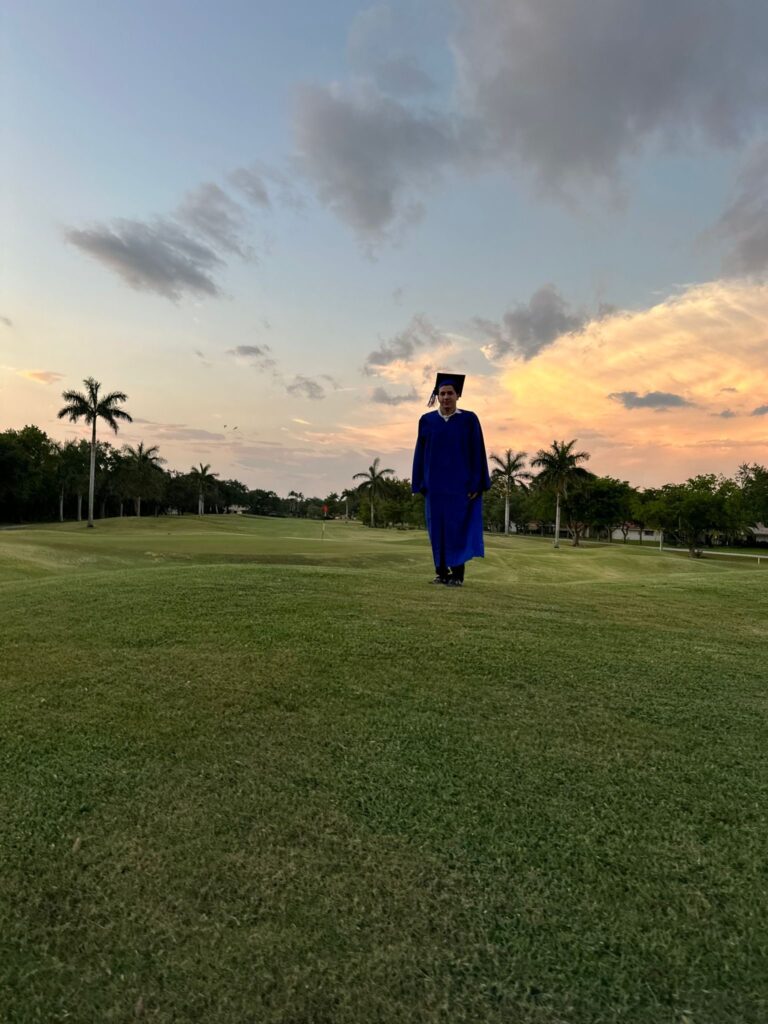
Post Highschool and Transition to College
Over time, I also realized that effective studying isn’t about spending the most hours with a textbook open. It’s about studying intentionally. I found that breaking assignments into smaller pieces made them feel much less overwhelming. Instead of trying to memorize everything the night before an exam, I began reviewing material over several days whenever possible. Taking breaks, getting enough sleep, and giving my brain time to process information often helped more than cramming late into the night. While I still experience stress before important exams or projects, I now understand that managing stress is just as important as mastering the material itself.
College introduced a completely different academic environment. Professors expected students to take greater responsibility for their own learning, deadlines came quickly, and balancing multiple classes required stronger organization than I had experienced in high school. There were times when I questioned whether I belonged in college at all. Like many students, I experienced moments of self-doubt and uncertainty. However, every semester taught me something new—not just academically, but personally.
As I mentioned in previous chapters, my college experience has not been easy. I faced personal challenges, difficult situations, and periods where I questioned whether I had chosen the right place for myself. There were moments when I felt isolated, misunderstood, and overwhelmed by everything happening around me. Those experiences affected not only my education but also my confidence and mental well-being.
Everything began to change once I transferred schools. Transferring did not magically solve every problem, but it gave me a fresh start and a healthier environment where I could continue growing. Sometimes changing your environment can make a meaningful difference. A new campus, new classmates, and new opportunities allowed me to rebuild my confidence and focus more on my goals rather than the obstacles that had previously consumed my attention.
Looking back, I have learned that education is about much more than earning good grades. It is about developing resilience, learning how to adapt, discovering your strengths, and continuing to grow even when things become difficult. Every success and every setback has taught me something valuable. The challenges I faced with study skills, stress, and college life helped shape the person I am becoming.
If I could offer one piece of advice to students who are struggling, it would be this: don’t measure your potential by one exam, one semester, or one difficult chapter of your life. Everyone learns at a different pace, and everyone’s journey looks different. Ask for help when you need it, be patient with yourself, and remember that growth often happens gradually. You are not defined by your lowest grade or your hardest semester. What defines you is your willingness to keep learning, keep improving, and keep moving forward despite the challenges you face.
Today, I still continue learning better study habits and better ways to manage stress. Growth does not end after high school or even after college. It is a lifelong process. My journey has taught me that success is not about being perfect; it is about persistence. Every challenge I overcame strengthened my confidence, and every lesson I learned reminded me that progress is often more important than perfection.

Are you looking for something divine & tasty, well look no further Ferrara in the heart on the Lower East Side is offering 20% off your meal with your student ID
By Aaron Newman
Aaron Newman is an Education Studies major minoring in Digital Studies. Originally from Fort Lauderdale, he writes about relationships, entertainment and fashion. He also writes about the hardship and being optimistic about his struggles and looking forward to the present and future.
For over 25 years, the Campus Clipper has helped college students in New York City—and later in Boston and Philadelphia—save money and succeed in city life. We offer a digital coupon booklet with discounts on food, clothing, and services, plus an Official Student Guidebook with real advice on how to navigate college life in a big city. Our internship program lets students build skills, earn money, and publish their own e-books. Follow us on Instagram and TikTok @CampusClipper, and sign up for our newsletter to get deals straight to your inbox. To access the digital coupons, scan the QR code on our printed card—available in dorms, student centers, and around campus.