
Posts Tagged ‘wellness’

Mental Health Behind the “Perfect” Image

Tuesday, June 23rd, 2026
Photo by Polina Makarova. Arriving in New York City.

One of the biggest things I have learned during college is that people are often struggling with things you cannot see. Looking around campus, it can seem like everyone has their life together. Students are balancing classes, internships, clubs, social events, and future plans. Social media makes it look even more convincing. People post their achievements, exciting experiences, and happy moments, creating the impression that everything is going perfectly.

For a long time, I believed I was the only one feeling overwhelmed.

When I first moved from Russia to the United States, I put a lot of pressure on myself. I wanted to do well academically, make friends, adapt to a new culture, and build a life in New York City. At the same time, I was dealing with homesickness, uncertainty, and the emotional challenges that come with starting over in a completely new environment.

There were days when everything felt exciting. I was exploring the city, meeting new people, and experiencing things I had dreamed about for years. But there were also days when I felt lonely, anxious, and unsure of myself. What made it difficult was that I often felt like everyone else was adjusting better than I was.

Social media played a big role in that feeling.

Whenever I opened Instagram, it seemed like everyone was having the perfect college experience. People posted photos with large groups of friends, exciting internships, beautiful apartments, and busy social lives. Meanwhile, I was often sitting in my dorm room missing home or worrying about classes. It became easy to compare my reality to other people’s highlight reels.

Over time, I realized that social media only shows a small part of someone’s life. We see the internship announcement but not the rejected applications. We see the smiling group photo but not the loneliness that may exist behind it. We see achievements, but we rarely see the stress, anxiety, or self-doubt that often come before them.

The more people I got to know, the more I realized that everyone is dealing with challenges of their own.

Some students struggled with anxiety. Others felt pressure from family expectations. Some worried about finances, relationships, or their future careers. Even the people who appeared the most confident often had insecurities that nobody else knew about. Many of us were experiencing similar feelings but keeping them to ourselves.

College can sometimes create unrealistic expectations. There is often pressure to be productive all the time. It can feel like you should always be studying, networking, exercising, socializing, and planning for your future. While ambition can be a good thing, constantly feeling like you need to do more can quickly become exhausting.

Eventually, I learned that taking care of my mental health was just as important as achieving academic success.

For me, that meant creating small routines that helped me feel more balanced. Going for walks around New York City, spending time with friends, focusing on hobbies, limiting social media when it became overwhelming, and allowing myself time to rest all made a difference. These habits did not solve every problem, but they helped me manage stress in a healthier way.

I also learned that it is okay to ask for support. During difficult moments, talking to family members, friends, professors, or other people I trusted helped me feel less alone. Sometimes simply sharing what you are going through can make a situation feel much more manageable.

Looking back now, I wish I had spent less time comparing myself to other people. Everyone’s journey looks different, especially in college. Some people adjust quickly, while others need more time. Some people seem confident on the outside while quietly struggling on the inside. The truth is that nobody has everything figured out.

One of the most important lessons I learned is that mental health deserves the same attention as physical health. Taking care of yourself is not a sign of weakness or laziness. It is a necessary part of growth. College is not only about academic achievements and future careers. It is also about learning how to take care of yourself while navigating change, uncertainty, and personal growth.

Takeaway

Social media and college culture can sometimes create unrealistic expectations and make it seem like everyone else has life figured out. In reality, many students experience stress, anxiety, loneliness, and self-doubt. Prioritizing mental health, creating healthy routines, and remembering that nobody is perfect can make the college experience healthier, more balanced, and more enjoyable.
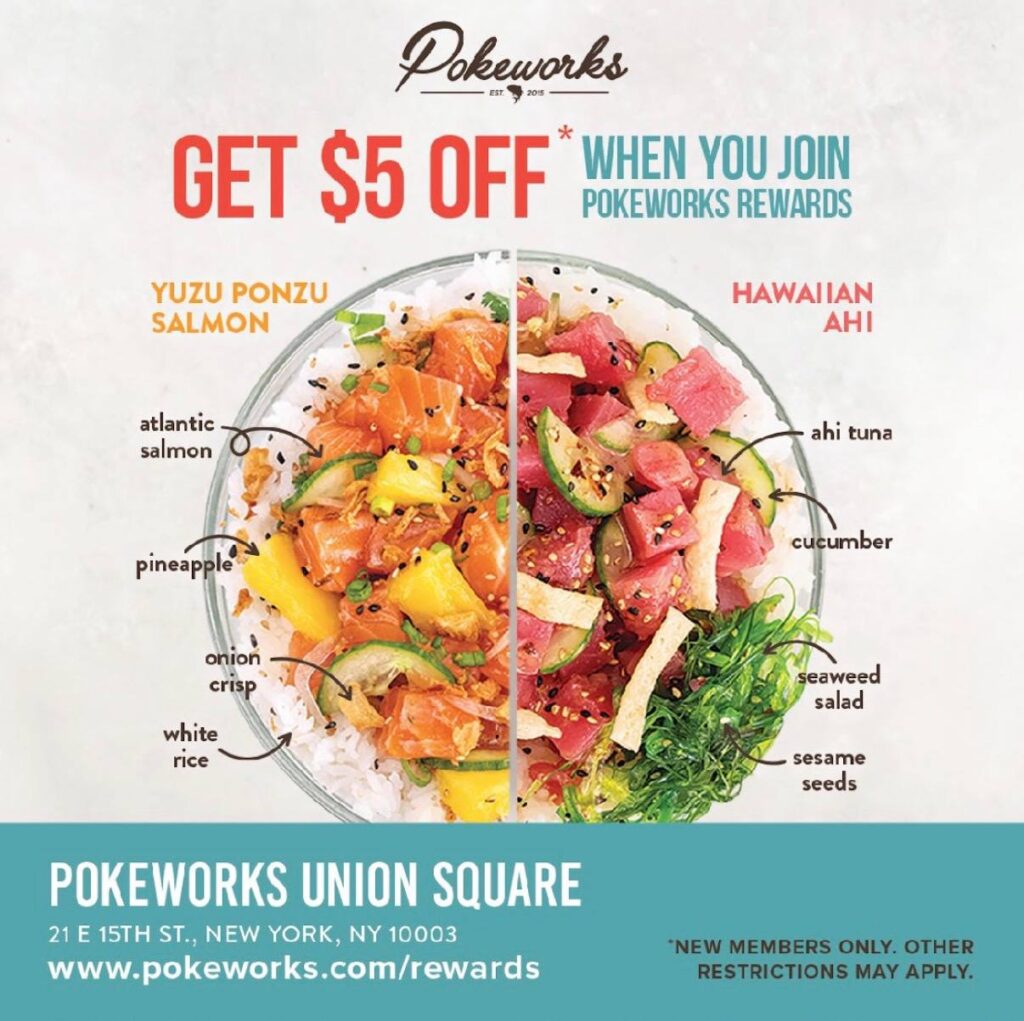

Looking for a quick and customizable meal near campus? Pokeworks Union Square offers fresh poke bowls, salads, and burritos with a wide selection of proteins, toppings, and sauces. Students can join the Pokeworks Rewards program to receive $5 off and earn rewards on future visits.

By Polina Makarova

Polina Makarova is an English Literature major at Pace University and a Publishing Intern at Campus Clipper. Originally from Russia, she writes about student life, wellness, fashion, and personal growth while navigating college life in New York City.


For over 25 years, the Campus Clipper has helped college students in New York City—and later in Boston and Philadelphia—save money and succeed in city life. We offer a digital coupon booklet with discounts on food, clothing, and services, plus an Official Student Guidebook with real advice on how to navigate college life in a big city. Our internship program lets students build skills, earn money, and publish their own e-books. Follow us on Instagramand TikTok @CampusClipper, and sign up for our newsletter to get deals straight to your inbox. To access the digital coupons, scan the QR code on our printed card—available in dorms, student centers, and around campus.

Share

Resilience in Routine

Tuesday, June 16th, 2026
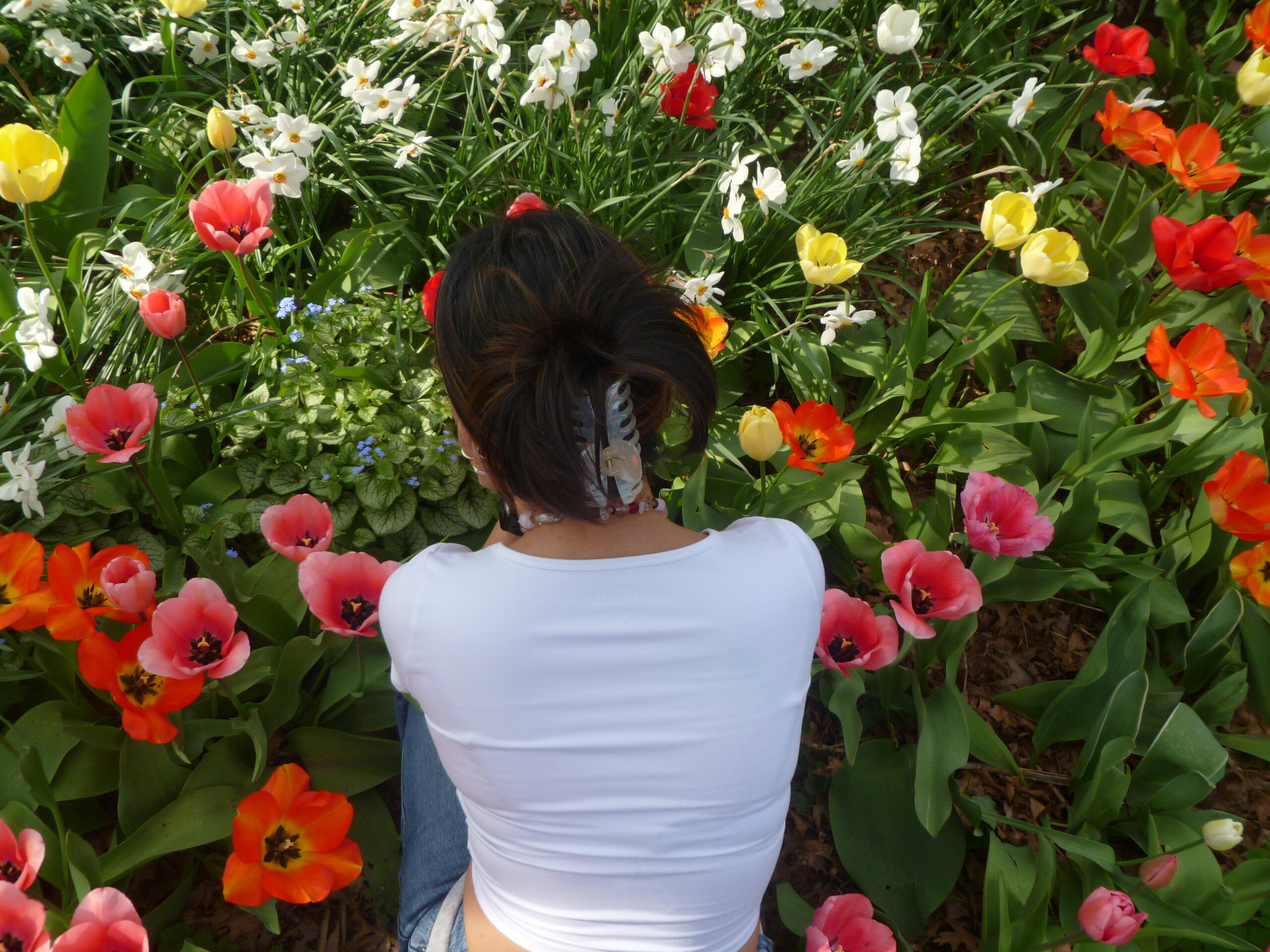
Photo by Alyssa Hong. Here I am sitting in a field of overly bloomed tulips at the Queens Botanical Garden.

One of the most essential parts of college is finding ways to continue a healthy lifestyle despite having copious amounts of free will. For this, I suggest enrolling in classes with friends for things like yoga, pilates, or anything really. 

What started out as Thursday evening classes for yoga simply began as a question: 

“Do you want to try Fitbear classes with me?”

Monica, my best friend, asked me this during our first year in college after the first semester. Still timid, my voice appeared firm in accepting her offer but the tremble of my body could not shake this anxious moment. I wondered if the class would paint us as newbies and that we would be made fun of – superficial concerns which made no sense looking back because everyone starts somewhere. 

Our first class had me looking over my shoulder constantly. I put on my leggings for the first time since COVID era, which had me doing Chloe Ting workouts in my bedroom. Highschool kept me so preoccupied I only had time for dance club so I had wildly let myself go. I went down the elevator to the first floor where the water station was and filled my Awola full of water since I was not sure how hard I would be sweating for “vinyasa” yoga. 

I did not even know what “vinyasa” meant. 

I knocked on Monica’s door since we lived in the same small hallway; we were on our way. Geared with her yoga mat, leggings, and water bottle, Monica was prepared for the next hour of downward facing dogs later. As we rode the elevator down, my face kept making the same grin of nervousness. My hands shook like no other. Soon, I found myself in the basement of the main campus building for our class with my hand gripping the handle of the door. As I opened it, the world began to shine in on me. 

Starting by reaching down towards our feet, I felt the release of all my stresses of homesickness to future career anxieties diminish. Halfway lift — holding my breath, I stared at my posture in the mirror, diligently focusing on my body and how it felt. Then down into a down-dog while bending our knees side-by-side. Stretching my body through every pose was my revenge on this fast-moving world. 

With Monica keeping me accountable, I learned the art of yoga: finding stillness and intention. Each pose should be made with intent and slow movement rather than rushing through. I thought about engaging my core, where my hands were, and finally how my body felt. The tension housed within my joints transpired as I held my intention from the beginning of the class to the very end. 

After my very first class, Monica and I continued these classes even adding two a week to our schedules if time permitted. That’s how we ended up trying a Zumba class on a random given Wednesday. 

Without her pushing me out of my own comfort (my mind), I would have never found the art of truly slowing down in yoga. We still go to these classes only now they are Friday morning classes at 9 AM instead. We always find time within our schedules and are always seeking to learn something new in our fitness journeys like how to perform frog pose or a proper chaturanga. 

I have also learned so much about Monica from this routine. She prefers cardio whereas I hate cardio entirely. I found this out after one of our conversations post-class (Total Sculpt) which was filled with cardio. 

“I like it because you can feel it.”

“I hate it for that exact reason.”

She also used to train mainly using cardio for rowing in Highschool and still does for when she scuba dives in the summer. Whereas, I only did cardio for dance in Middle School which I still hated. 

Nevertheless, yoga, or more generally, fitness classes have become our routine to resist anything college throws our way. It is not only a way to connect with others, but a chance to learn something new about them and yourself. 


Working out can be a helpful activity for the mind and soul alongside the body. Use this coupon to start your fitness training package with Nimble Fitness!

By Alyssa Hong

Alyssa Hong is a rising Junior at Barnard College, studying Political Science with a minor in English. As a first-generation, low-income student, she writes about moving across the country for college and its adjustments. She utilizes entertainment, wellness/health/food, and fashion/beauty as methods to making new connections with others whilst always learning.


For over 25 years, the Campus Clipper has helped college students in New York City—and later in Boston and Philadelphia—save money and succeed in city life. We offer a digital coupon booklet with discounts on food, clothing, and services, plus an Official Student Guidebook with real advice on how to navigate college life in a big city. Our internship program lets students build skills, earn money, and publish their own e-books. Follow us on Instagram and TikTok @CampusClipper, and sign up for our newsletter to get deals straight to your inbox. To access the digital coupons, scan the QR code on our printed card—available in dorms, student centers, and around campus.
Share

Confidence and Self Image in College

Tuesday, June 16th, 2026
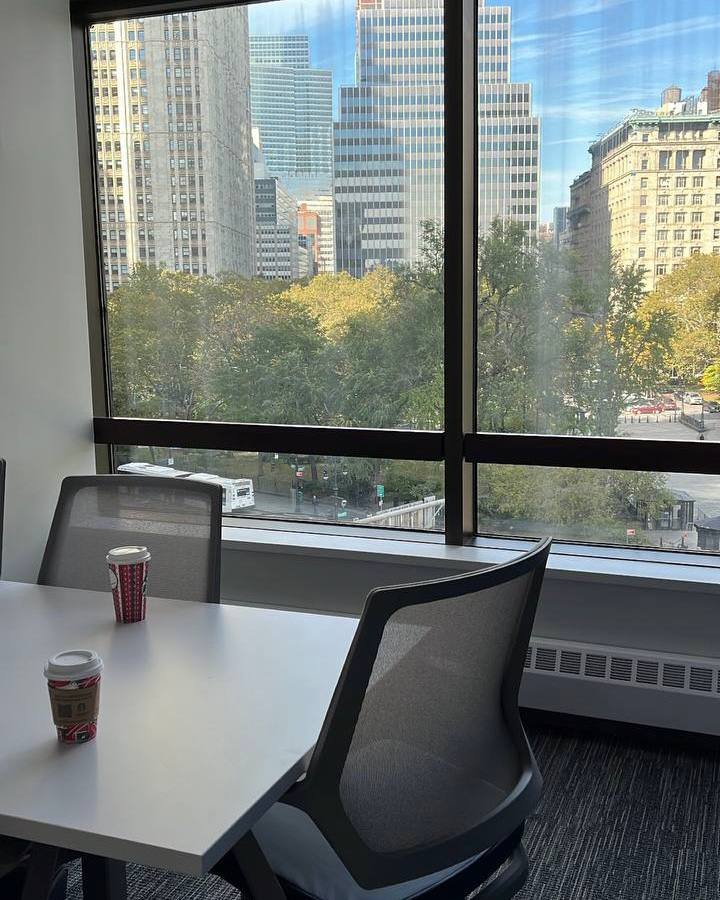
Photo by Polina Makarova. A view from a study space in New York City.


Back then, beginning my time at university, I believed self-assurance came naturally – or not at all. Certain classmates appeared calm in any setting, as if belonging without effort. Their voices stayed steady during discussions; friendships formed around them like weather patterns. Watching closely, one might guess doubt never crossed their minds.

Spending more time in college slowly showed me how common confidence issues really are. What stands out is not the struggle itself, but how quietly it’s carried. Beneath cheerful faces, online updates, and packed calendars, doubt often lingers. Comparisons creep in. Pressure builds. Most keep it hidden. A few admit it. Many feel alone while surrounded by others.

Back in those days, living abroad made everything feel heavier. Moving across borders meant facing unfamiliar ways of life, classrooms that worked differently, routines without comfort. At times, doubt crept in – did I really fit here? Conversations carried hidden risks; one misstep could mark me as an outsider. Confidence rarely matched the ease others showed. During that time, I often felt uncertain about where I belonged.

Looking at social media made things worse. Everyone appeared to be living an ideal college life. Photos showed big circles of friends, impressive internships, top scores – effortless wins on display. My reality never matched those edited snapshots others chose to share.

Slowly, it became clear – measuring myself against others drained my self-assurance quickly. Whenever attention shifted to peers, my achievements felt smaller somehow. Everyone comes to college with different experiences, backgrounds, and challenges. People have different goals and are on different paths. Matching timelines across such distinct lives brings little value most times.

Success often came, not from comparison, butyet from noticing little wins. A strong mark on homework sometimes counted. At other moments, it was saying a few words during discussion, starting a conversation with a stranger, or managing stress after a long stretch of work. Slowly, these steps added up. Confidence grew without force.

One experience that helped build my confidence was getting involved outside of the classroom. At first, I often hesitated to apply for opportunities because I worried that I was not experienced enough or that someone else would be more qualified. Eventually, I realized that many students feel the same way. Applying for internships, joining new projects, and putting myself in unfamiliar situations helped me become more confident over time. Every opportunity taught me something new and reminded me that growth often happens when you are willing to step outside of your comfort zone.

Turns out, being sure of yourself does not mean having every detail locked down. Earlier, I believed certainty required full control – everything sorted ahead of time. College shifted that view: complete understanding isn’t what drives confidence. Even the students who seem the most confident are still learning, growing, and making mistakes like everyone else.

Comfort in clothes sometimes made speaking up easier. Because I liked what I wore, joining discussions felt less difficult. Though outfits do not build confidence by themselves, they support feeling like your true self. How you dress might influence how freely you show who you are.

One thing stands out most: doing things builds belief in yourself. Each attempt at something unfamiliar adds to it. Stepping into unknown territory helps it grow. Trying what feels difficult shapes it further. This growth does not arrive overnight. Small actions pile up over time. Confidence grows when you continue trying new things and challenging yourself.

Now and then, uncertainty creeps in, even today. Nearly everyone experiences this at times. Yet what has shifted is how I interpret these feelings – not as setbacks, but as signs of change. College is not only about earning a degree. It is also about learning more about yourself and becoming comfortable with who you are.

Takeaway

Confidence in college does not come from being perfect or having everything figured out. It develops through experience, personal growth, and learning to stop comparing yourself to others. Everyone struggles with self-doubt at times, but confidence grows when you focus on your own journey rather than someone else’s.


Take a break from studying and recharge with a cup of coffee at Absolute Coffee. Sometimes even a small pause can help you reset and return with a clearer mind.

By Polina Makarova

Polina Makarova is an English and Literature major at Pace University with a minor in Journalism and Digital Storytelling. Originally from Russia, she writes about student life, identity, fashion, wellness, and adapting to life in a new country.


For over 25 years, the Campus Clipper has helped college students in New York City—and later in Boston and Philadelphia—save money and succeed in city life. We offer a digital coupon booklet with discounts on food, clothing, and services, plus an Official Student Guidebook with real advice on how to navigate college life in a big city. Our internship program lets students build skills, earn money, and publish their own e-books. Follow us on Instagram and TikTok @CampusClipper, and sign up for our newsletter to get deals straight to your inbox. To access the digital coupons, scan the QR code on our printed card—available in dorms, student centers, and around campus.
Share

Fashion as Personal Expression

Tuesday, June 9th, 2026

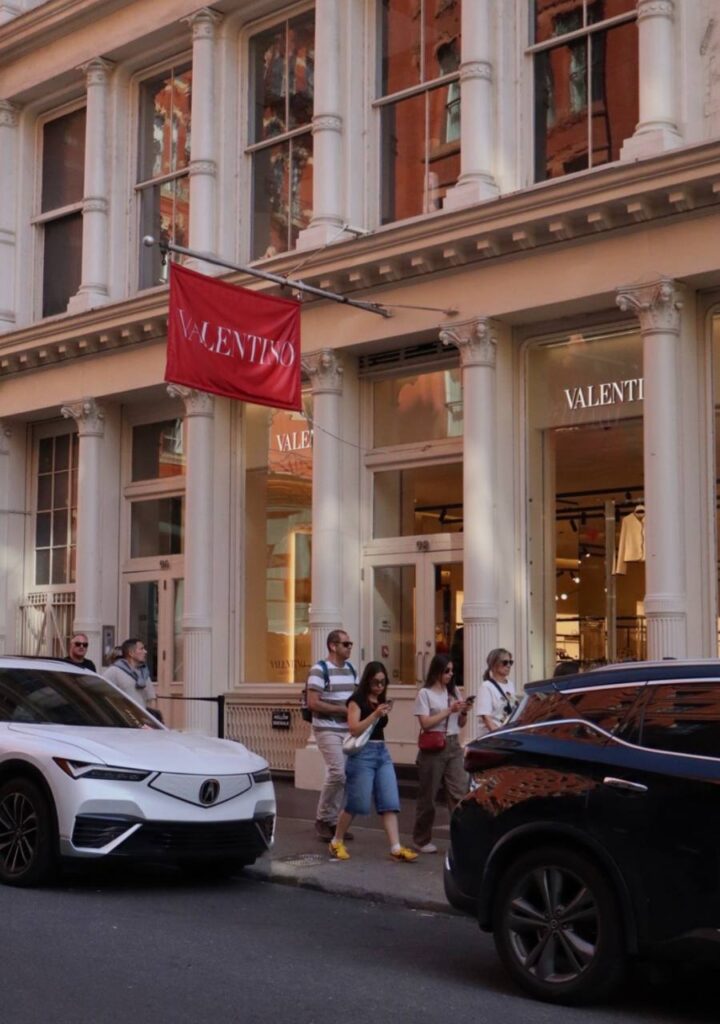
Photo by Polina Makarova. A street view in SoHo, one of New York City’s most fashion-focused neighborhoods.

Surprisingly, when people think about fashion, they usually think about trends, brands, or appearances. While fashion can certainly be those things, my relationship with it became something much more personal after moving to the United States. During a time when almost everything in my life felt unfamiliar, fashion became one of the few things that helped me stay connected to myself. Instead of simply following trends, what I wore became a reflection of who I was becoming.

Moving to a new country can make you question many parts of your identity. Suddenly, you are surrounded by different people, different social expectations, and a completely different environment. College can make this feeling even stronger because everyone seems to be figuring out who they are at the same time. While that can be exciting, it can also feel overwhelming.

When I first arrived in New York, there were days when I felt invisible. Adjusting to a different way of life took time, and fitting in did not happen overnight. Making friends was not always easy, and homesickness stayed with me longer than I expected. Some days I felt confident, while other days I felt uncertain about where I belonged. One thing I noticed, however, was that when I put thought into what I wore, I carried myself differently. It was never about impressing other people. It was about feeling more like myself.

During that period, many things felt outside of my control. I could not instantly adapt to a new culture. I could not make homesickness disappear overnight. I could not magically become comfortable in every social situation. But every morning, I could choose how I wanted to present myself. That small decision gave me a sense of confidence during a time when everything else felt uncertain.

Fashion became another form of self-expression. Some people express themselves through art, music, or writing. For me, clothing became a way to communicate parts of my personality that I sometimes struggled to put into words. Certain outfits made me feel more confident. Others reflected my mood or mindset. Sometimes even a simple accessory could make me feel more confident throughout the day. Different outfits reflected different moods and helped me express how I was feeling.

Over time, expressing myself through fashion became more natural and helped me feel more comfortable in my own skin. One of the things I love most about New York City is how people express themselves through fashion. Walking through the city, you see people expressing themselves in countless ways. Some people dress boldly and creatively, while others prefer a simpler style. There is no single “right” way to present yourself. Seeing that freedom made me more comfortable embracing my own style.

College can sometimes create pressure to fit in. Social media often makes that pressure even stronger. It is easy to compare yourself to carefully curated photos and feel like everyone else has everything figured out. Over time, I realized that confidence comes from being comfortable with yourself rather than trying to be like everyone else. The people who seemed most confident were often the people who were simply comfortable being themselves.

One of the most important things fashion taught me is that self-expression does not have to be expensive. Confidence is not determined by designer brands or the amount of money you spend on clothes. Some of my favorite outfits have been simple combinations of pieces that make me feel comfortable and authentic. Personal style feels most meaningful when it reflects who you are rather than trying to be perfect.

As time went on, fashion also became connected to my overall wellness. Of course, clothing cannot solve every problem, but taking the time to express yourself can have a positive impact on your confidence and mindset. On days when I put effort into getting ready, I often felt more productive, motivated, and positive. It was a small act of self-care that helped me start the day feeling more confident.

Looking back, fashion helped me navigate one of the biggest transitions of my life. It gave me confidence during uncertain moments and allowed me to express parts of my identity that I was still discovering. Even when so much around me was changing, fashion helped me stay connected to who I was. Most importantly, it reminded me that self-expression is not about impressing other people. It is about feeling comfortable enough to be yourself.

Takeaway

Fashion is often viewed as something external, but it can also be a powerful form of self-expression. During times of change and uncertainty, personal style can help people feel more confident, authentic, and connected to themselves. Sometimes the smallest forms of self-expression can make the biggest difference.


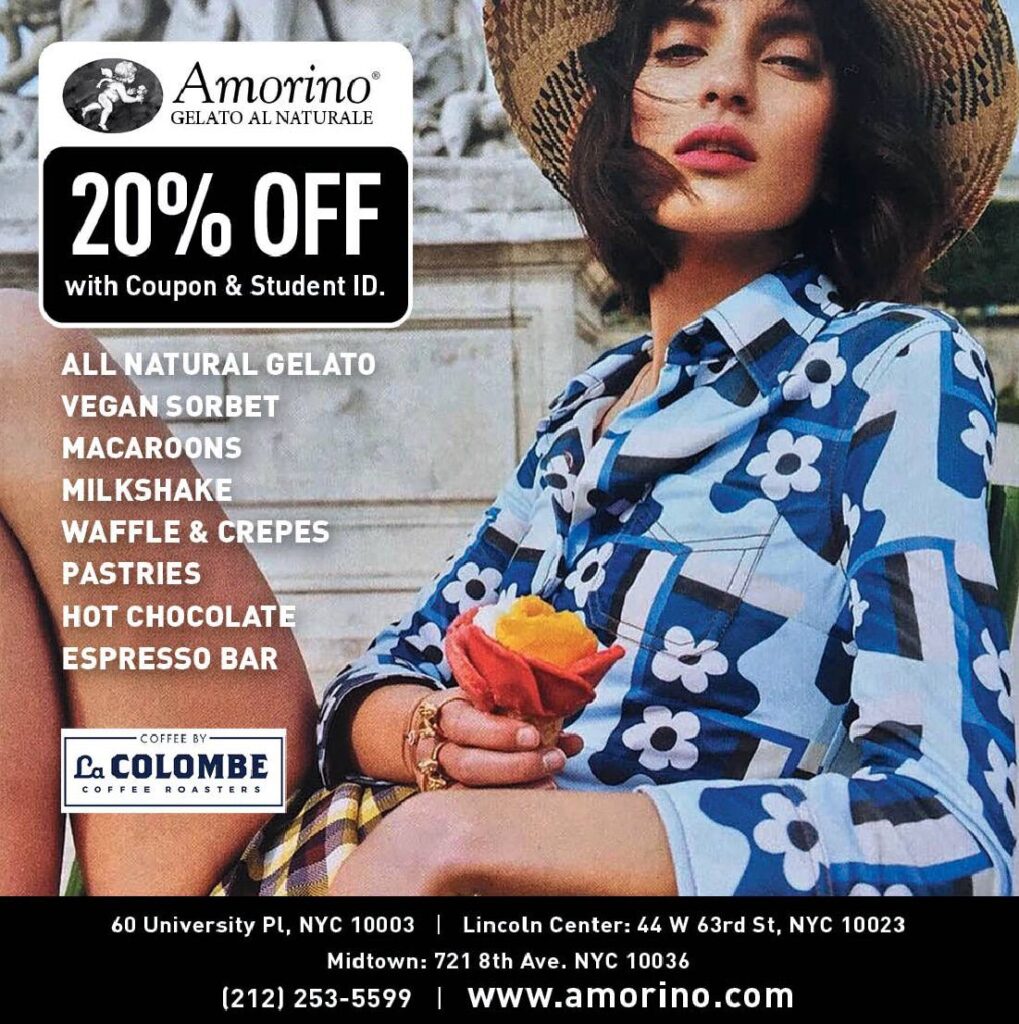
Use this student discount at Amorino and enjoy a sweet treat while exploring New York City. Sometimes a small break can be the perfect form of self-care during a busy semester.

By Polina Makarova

Polina Makarova is an English and Literature major at Pace University with a minor in Journalism and Digital Storytelling. Originally from Russia, she writes about student life, identity, fashion, wellness, and adapting to life in a new country.


For over 25 years, the Campus Clipper has helped college students in New York City—and later in Boston and Philadelphia—save money and succeed in city life. We offer a digital coupon booklet with discounts on food, clothing, and services, plus an Official Student Guidebook with real advice on how to navigate college life in a big city. Our internship program lets students build skills, earn money, and publish their own e-books. Follow us on Instagramand TikTok @CampusClipper, and sign up for our newsletter to get deals straight to your inbox. To access the digital coupons, scan the QR code on our printed card—available in dorms, student centers, and around campus.

Share

What is “wellness” anyway?

Friday, June 20th, 2025

Wellness.

It’s everywhere, and it’s constantly making  its way into our daily lives. Whether it’s Tiktok influencers buying concerning amounts of expensive makeup and skincare to “prevent aging” and look as young and pristine as possible, or other influencers posting mind-boggling exercise routines to achieve unattainable body standards, it feels as though what was once known as wellness simply isn’t well anymore – it’s junk

It’s particularly overwhelming to consider the amount of young adults like myself who use these types of apps and succumb to this information. According to Pew Research Center, 78% of 18- to 29-year-olds say they use Instagram, and 62% of 18- to 29-year-olds say they use TikTok. Looking at other studies, such as a survey done by Katrine Wallace, an assistant professor at the University of Chicago, 56% of Gen Z use platforms like TikTok for health advice without double checking sources. Recent studies also show the way in which young adults are more unhappy than ever before, lowering the happiness curve which should be higher for young adults aged 18-29. When combined with uncertainties of the future and higher risks of anxiety and depression due to isolation from peers and family, how does that affect a time where one is supposed to find who they are, and find the people that will ultimately become colleagues or lifelong friends? How do we combat a never ending cycle of isolation caused by being on our phones for hours without end, while also making sure to take care of ourselves and enrich our brains?

Coming off from my first year of college at NYU, these are some tips I would encourage you to try in order to feel peace, happiness, and zen while balancing a new environment, peers, and classes.

I. Exercise

Running along the Hudson River Park.

New York City is the perfect backdrop to get into any form of exercise, but my favorite is running. Being a Cross Country and Track runner in high school, one of the first ways I tried to find community was through running, and luckily NYU has a running club where I was able to do many 5K, 10K and even my first half marathon with!

Me, excited after running the Brooklyn Half Marathon in April.

Even when it comes to exercising alone, running along the Hudson River Greenway has been one of my go to spots for tranquility, great views, and fresh air. Being cooped up all day in a dorm room, library, or classroom is not going to make you feel productive; being active often gives you the clarity needed to do assignments and tasks with your brain feeling much more resetted. Even if running isn’t the sport for you, finding time outside whether it’s window shopping, drinking a warm coffee on a rainy day while strolling the streets, or even hitting the gym for a good weight training session is enough to be a productive yet enjoyable break from the hustle of school work. Being in such a walkable city allows for exercise to happen even without thinking, and some of the best ways I have gotten around have been by simply running throughout New York and seeing what is out there.

II. Nutrition

Late night run to Joe’s Pizza.

I love NYC Pizza like anyone else, but if I had to constantly eat it I think my body would shut down. Finding ways to eat healthy (getting fiber, protein, carbs, and healthy fats) will ultimately lead you to feel satiated, energized, and may even improve your mood and alertness if you tend to feel fatigued. Oftentimes, college is the first time in which you are let go from the foods that your parents would constantly give you, and being on your own often leads to people struggling to find or maintain a healthy relationship with food. It is so important to learn what foods really fuel your body, because at the end of the day I find that money is best spent on what makes your body feel its best.

Mid-day lunch break at Le Botaniste.

One of my favourite places to have lunch in the city, Le Botaniste, has locally sourced plant based meals at pretty affordable prices. Eating there always makes me feel comforted, happy, and leaves me knowing that my body is going to feel rewarded with nutrients that will help me go about my day. My roommate and I also got heavily into making our own smoothies, which in NYC can be quite expensive. Buying ingredients such as frozen fruit, coconut milk, and getting bananas from the dining hall were ways in which we saved money while also eating something that is equally as nutritious as it is delicious. Being creative and economical is all it takes, along with some effort into researching, to find what foods are best for your body and will leave you feeling happy in the process. When you have a the late-night craving though, Joe’s is a classic to hit up.

III. Social Connections

Me, out with some friends on my birthday.

One of the most important tips I can give anyone entering college – GO OUT THERE!! College is the last time where you are in a generally controlled environment, often living with people roughly your age, and getting your first taste of what it’s like to be an adult. Find the people and circles where you feel heard, seen, and appreciated. There is nothing worse than having people around you that don’t care about you and your well-being, and finding the people who see you for who you are is what will make college feel like home.  Join clubs, try new activities, and share aspects of yourself that you once thought were silly or that you have never had the opportunity to do so otherwise. Finding the people is the most crucial step in making college feel enjoyable and doable, especially when classes start feeling rough and time feels like it’s slipping away.

Enjoying some watercolor painting and coffee at Moshava Coffee.

Find the connections that will be there for you when you first come onto campus so that when those times come, you know who has your back. Another great tip I would advise is to enjoy your own company. College gets hectic and not everyone is available to hang out all the time, so learning to appreciate the amazing person you are and enjoy the variety of solo activities there are out there will help combat boredom, and maybe even help you find out new and exciting things about yourself.

Wellness means a lot of things for different people, but the main thing that comes to mind when I think of wellness is how subjective it is. Finding what makes me feel well, healthy, secure, and happy may be completely different to what makes you feel well, healthy, secure, and happy – and that’s completely okay! The main thing I would suggest is to be open to new ideas of wellness, confide in people who have your back, try new things, and take advantage of the resources, people, and opportunities that lie at your fingertips. 

Maybe that’s what wellness is. A community. Your community. Be brave, and open doors to find it.


After your workout, or even as a mid-day snack, try Playa Bowls! Get 10% off with your student ID on your next Açaí bowl, smoothie, or coffee!


By Avril Walter

Avril Walter is a Sophomore at New York University, majoring in Drama and Cinema Studies. Coming from an Argentinian background, she loves anything related to futbol, steak, and dulce de leche. When she is not in class, she can be found playing the violin, running, cooking, or at the movie theatre.


For over 25 years, the Campus Clipper has helped college students in New York City—and later in Boston and Philadelphia—save money and succeed in city life. We offer a digital coupon booklet with discounts on food, clothing, and services, plus an Official Student Guidebook with real advice on how to navigate college life in a big city. Our internship program lets students build skills, earn money, and publish their own e-books. Follow us on Instagram and TikTok @CampusClipper, and sign up for our newsletter to get deals straight to your inbox. To access the digital coupons, scan the QR code on our printed card—available in dorms, student centers, and around campus.
Share

The Body I Brought To College

Tuesday, June 17th, 2025

The first thing they tell you when you enter the world of college is to make your health and wellness a priority and that downtime is important. As a college student, you are constantly thinking about the assignments to turn in, the exam you need to cram for since it’s worth forty percent of your grade, or the big group project that your professor recommends starting two weeks into the semester even though it isn’t due until the end of the year. 

Your health and wellness is an essential part in being successful in your college experience, but it isn’t about hitting the gym or eating a salad. They’re about how your body functions, how you manage stress, and how you show up for yourself every day. In college, it’s easy to treat your body like an afterthought and not prioritize the key functions such as sleep, nutrition, and movement. When you don’t listen to your body, it starts speaking louder through exhaustion, illness, and burnout, which can make it difficult to perform at your full potential best in all areas of college.

My entire life, I have suffered from severe scoliosis, a condition where my spine is curved in an “s” shape. Although I have managed this condition throughout my life, when I entered college, it gave me several different challenges that I didn’t realize I’d have to face. Nurturing a proper sleep schedule, having good eating habits, and maintaining minimal movement are important in college, as it can balance out the academic stressors. Before college, I never really thought twice about my body. Even with my medical condition, I ate when I was hungry, slept when I was supposed to, and was at my peak physically. Once I entered college, I didn’t realize that the pressures of academics in combination with my medical condition would make my time in college even more challenging than expected, forcing me to rethink everything about wellness and fitness. A lot of days, my body feels like it’s working against me. I wake up tired, my muscles ache, and I can’t push myself the way other students can. It’s frustrating and isolating, but it’s also taught me the importance of listening to my body and honoring its limits.

I’ve learned to be intentional about rest and my sleep schedule. At night, I give myself a 9 p.m curfew and a bedtime of 10 p.m, which allows me to relax before I close my eyes so that I can sleep better at night. I’ve also had to redefine what fitness meant for me, meaning going on nice, long walks around the city, doing yoga, or choreographing dances to keep myself loose. Everybody’s health and wellness looks different in college, but there are very consistent ways to make sure that your health and wellness are acknowledged and prioritized. First, sleep is non-negotiable. It is recommended to get 8 hours of sleep, so aiming for 7 to 9 hours is best. You should fuel your body consistently. It’s okay to eat what’s available, but try to include whole foods when you can, especially fruits, protein, and complex carbs. You should also move with intention, even if it’s 10 minutes a day. Find movement that feels good for you. Although it’s okay to push yourself, you shouldn’t push yourself too hard, because it’s supposed to feel invigorating and reviving instead of feeling like an obligation. The most important aspect is to be honest with yourself and your needs. Whether you live with a health condition or not, give yourself grace and adapt your routines accordingly. 

Wellness and fitness isn’t about being perfect, it’s about being aware. Although college stresses the importance of academics, it is important to prioritize health and wellness. Your body is the one place you have to live in during college. Take care of it like it’s your most valuable asset.


Nibble Fitness is a great way to help you with your wellness and fitness! Use your student I.D to schedule your complementary fitness assessment!


By: Yamilia Ford

Yamilia Ford is a rising senior at Pace University with a major in business management and three minors in journalism, creative writing, and film studies. Her passion for writing allows her to inspire through her own creative lens, giving people the opportunity to relate to her.


For over 20 years, the Campus Clipper has been offering awesome student discounts in NYC,  from the East Side to Greenwich Village. Along with inspiration, the company offers students a special coupon booklet and the Official Student Guide, which encourages them to discover new places in the city and save money on food, clothing, and services.  

At the Campus Clipper, not only do we help our interns learn new skills, make money, and create wonderful e-books, we give them a platform to teach others. Check our website for more student savings and watch our YouTube video showing off some of New York City’s finest students during the Welcome Week of 2015.

Share

Work-Life Balance Actually is Your Problem to Figure Out

Thursday, May 15th, 2025
Emma Grede on Diary of a CEO

The emancipation of the working class must be the work of the working class itself.” – Marx and Engels, Strategy and Tactics of the Class Struggle (1879)

Here me out. 

The uproar around SKIMS Co-Founder Emma Grede’s comments regarding employees’ work-life balance responsibilities has brought on a lot of thoughts and feelings I want to discuss.

Last week, Grede stated in an interview with “Diary of a CEO” podcast host Steven Bartlett that a healthy work-life balance is a problem for employees “to figure out.”

Concerning employee attendance and micromanagement, Grede validated her statement by saying her company has changed with the times to accommodate personal life events. “You come in, you have set hours, but there’s flexibility within your working life. It’s not like ‘Oh my goodness, such and such is not at their desk.’” she said. “The way we run organizations now is that no one misses dentist appointments or a doctor’s appointment or a haircut or their kid’s parent-teacher conference.”

While Grede received a lot of pushback for her comments and lack of sensitivity as an employer, I have to agree with her… to a certain extent. The optimist in me wants to say it was giving unintentional Marxist queen.

It’s no shocker that Americans struggle with work-life balance. Our capitalist society literally thrives off of our clocked-on hours and has trained us to believe that we are important if we are good at our job, that we are valuable, even better than others, if we sacrifice ourselves to do more for our job. It’s one thing to be a small business owner living the dream of running a bookstore cafe. It’s another to be working for a company where you’re at the hands of a manager, who is at the hands of their manager, who is at the hands of their manager, and so on. 

I don’t know why anyone would expect a large corporation or sector of the workforce to ever take into consideration their employees’ work-life balance. In a utopia, surely. But it doesn’t look like we’re headed towards Marx’s wet dream any time soon, no matter how much I, too, fantasize about it. 

Marx Memes via Pinterest

Like so many aspects of our lives, it is our responsibility to do what’s best for ourselves, especially when it’s hard. Classload too exhausting this spring semester? It’s up to you to change that for the fall. Feel like you’re spending too much time on social media? You should probably put a lock on the TikTok app. Worried about not exercising enough? I mean, honestly, who isn’t, but who is going to fix that besides you? Not your boss, that’s for sure. It’s HARD to set these kinds of boundaries, especially because it means working towards bettering ourselves for us (how selfish!), rather than bettering a company for profit. 

It reminds me of a quote by John Green: “I took some pride in ‘not fulfilling my potential,’ in part because I was terrified that if I tried my hardest, the world would learn I didn’t actually have that much potential.” I’ve seen a lot of people fall into this rabbit hole at one point or another, myself included, because there is a comfort in settling. “I guess I could get used to just being a teacher,” I used to say to myself before I applied to grad school. And the truth is, I probably could’ve just slumped into that routine of having a steady pay and set schedule despite being irritable all the time. But I knew I was stunted as a person when I was teaching, following a path that would leave me feeling limited. That doesn’t mean, however, that there wasn’t still fear in stepping outside that box and pursuing myself first.

Because of this, I do agree with Grede that, when it comes to work, no one is going to look out for you except for you. And this sentiment goes against everything a generalized American workplace wants you to think. It’s hard to stand your ground and set boundaries with work because we’ve truly been programmed not to, and doing so is frowned upon by everyone who is too far in, especially those who profit the most from your labor. If more working people start to be more strict with their work-life balance, institutions will eventually be forced to reckon with a new norm. I firmly believe this is true, as even Grede alluded to such changes in her interview. “That’s just not how we work anymore,” she said regarding an outdated lack of flexibility in work hours. 

TBT When I used to go to work sick only for balding women to talk about me behind my back.

This is one thing I love about Gen Z. If any generation has learned to stick it to the man in terms of work-life balance, it’s ours. For most of Gen Z, you literally could not pay us enough to go into work unless we really have to. I enjoy my new job right now, which is actually a rather huge thing for me to say, but at the end of the day, I will always prefer to not work. I know my value doesn’t come from a job. I know my happiness won’t increase if I overwork myself for the sake of an institution. I know any notion of “making the world a better place” can be done without a monetary profit involved. At the end of the day, I work to have money to pay for the things I need and hopefully a little extra. If I didn’t need to be an employee, I wouldn’t be! I would do pilates, volunteer, buy expensive coffee from a small business owner who runs a bookstore cafe, and run my own magazine, AKA become my own boss. I mean, that’s kind of the dream, isn’t it?

I often see people overextending themselves for jobs that don’t even align with their passions and/or come at the cost of their well-being. Even if you love your job, you shouldn’t be risking your physical or mental health, your relationships, or your interests for the sake of work. What is the benefit? So other work-obsessed people will identify you as “good at your job”? So you’ll be known around the office as “dedicated and dependable”? That’s just sad. If you have PTO time, please take it. If you have sick time, PLEASE take it, even if you just have a cold. And if you have neither of these things, but you feel burnt out and can spare a day of work without getting fired, just take a day off. “I won’t be able to make it in today. I apologize for the inconvenience.” End of discussion.

On the flip side, I know many people do not have a choice in terms of improving their work-life balance. They have to work a 40-hour work week to pay all their bills. Especially for those who live in a big city like Boston or New York, most of the time, they’re just working to pay rent and utilities. Add being a student on top of that, and it’s truly like someone materializing in front of you every two weeks with a vacuum, sucking up your entire check. If you can’t take the city out of the girl, you also definitely can’t take the girl out of the city. It’s something I’ve learned to accept. While there are ways to balance work and life, no one can say it isn’t difficult, and self-care during this time looks different for everyone. Take it easy, take a break whenever you can, and just remember, even if you are working long hours day after day, labor laws exist, and rest is eventually required!

“Disappear, babes,” Adele whispers when you clock out.

I can’t believe I used to spend so much time complaining to friends and family about how burnt out I was as a teacher when I was actually the only person who had control over changing that part of my life. Once I did, I became so much happier. Not only that, but I opened up space in my life to actually lean into my passions, such as becoming an editor and writing these blog posts (with no worry or remorse, I might add).

Until the world is ready to stop dehumanizing working people for profit, you have to watch out for yourself. I can assure you, your job will always ask more of you, and it’s on you to learn how to say no. Sometimes, saying no comes with what may look like a consequence. You may have to set boundaries and say no. You may piss people off. You may even have to give up your job and search for something better. Others may not understand your decisions. But if you’re putting yourself first, you will almost always come out on top, and the right people will stand by you. Secure the bag, and then leave! What are you waiting around for?

“A schoolmaster is a productive labourer when, in addition to belabouring the heads of his scholars, he works like a horse to enrich the school proprietor. That the latter has laid out his capital in a teaching factory, instead of in a sausage factory, does not alter the relation.” – Marx, Capital, Volume I, Chapter 16 (1867)

Boston Students! Grab a nice book and head over to Caffé Bene for 10% off with this coupon and a student ID!

Brenna Sheets is a graduate student in Emerson College’s Writing and Publishing M.A. program. Her hobbies include going on long walks, watching bad television, reading, and writing.

Share

Where Are Women Allowed to Be Hot?

Thursday, April 10th, 2025

Like everyone else, I’ve been thinking about Bad Bunny’s Calvin Klein promotion for about three weeks. I am all for men in their tiny little undies looking all scrumptious for clothing brands, and it’s not just because the sight is easy on the eyes. Campaigns like Bad Bunny’s and Jeremy Allen White’s do more than just give the people what they want. When men take up sexualized spaces that have been historically imposed upon women, they highlight the gender discrepancy within partial-nudity reception. That’s what I’m also for.

Calvin Klein’s Instagram page has an audience of nearly 26 million. Bad Bunny appears in the most recent Calvin Klein campaign wearing just his Calvins, partially nude—something that’s been normalized for men in media but is often critiqued and policed when women do the same. 

Bad Bunny received overwhelmingly positive feedback from the internet for posing in his Calvins, with many comments thanking Calvin Klein for giving them such a godsend of photos (I don’t disagree here). Audiences reacted the same with Jeremy Allen White and many of the other men who have posed in their tighty whities, such as Jacob Elordi, Michael B. Jordan, and more.

Bad Bunny’s Calvin Klein ad, cropped to your displeasure.

What happens when we compare the reception to JENNIE’s Calvin Klein campaign, which featured comments from viewers such as “She has a nice body, but is it sexy?” What about Disha Patani’s? A follower wrote, “Nowadays, showing partial body is the next way to get popular and attention.”  Maya Jardon’s more conservative shapewear post didn’t miss getting hit either: “Why are you naked?” And then, for Lily Collins’ full-clothing campaign, a backhanded comment that almost had me hopeful, “This woman is sexy without showing anything,” plus a “this is not on brand.”

We can’t forget what happened to FKA twigs, either. In April 2023, Calvin Klein released an advertisement featuring FKA twigs wearing an unbuttoned denim shirt draped over her body, exposing parts of her butt and her breasts. It wasn’t too long after that the UK’s Advertising Standards Authority (ASA) received two complaints alleging that the ad objectified women. Consequently, the ASA banned the ad, stating that it “used nudity and centered on FKA twigs’ physical features rather than the clothing, to the extent that it presented her as a stereotypical sexual object.” ​

FKA twigs publicly contested this ruling, expressing disappointment and highlighting double standards in advertising. She noted that similar campaigns featuring male celebrities, such as Jeremy Allen White, did not face the same scrutiny. In her statement, she emphasized her pride in her body and the empowerment she felt during the shoot, questioning why hers was deemed inappropriate:

“I do not see the ‘stereotypical sexual object’ that they have labelled me. I see a beautiful strong woman of colour whose incredible body has overcome more pain than you can imagine,” she wrote a day after the ban. “In light of reviewing other campaigns, past and current, of this nature, I can’t help but feel there are some double standards.” It’s still lost on the committee, which eventually responded that although they were concerned their “rationale for banning the ad was substantially flawed,” the photos were still overtly sexual, and thus the ban remained.

One of the FKA twigs Calvin Klein ad photos that wasn’t removed

As Summer approaches and Amiee Lou Wood’s White Lotus Bikinis sell out online, I’ve come to wonder, where are women allowed to be hot? 

Campaigns like Bad Bunny’s indirectly highlight how algorithms and moderation policies on platforms like Instagram, TikTok, and others unevenly censor content based on gender and sexualization. Because of this, it seems women are not allowed to be hot in the Calvin Klein campaigns, which are quite literally designated spaces for partial nudity to be accepted. Online platforms as a whole tend to sexualize and censor women’s bodies far more than men’s, especially in similar attire. If we take modeling underwear out of the picture, there must be other spaces where women can be confident and attractive while not being policed for it, right?

Certainly not at the gym, where sports bras and biker shorts have become demonized by men who don’t know how to confront their own wandering eyes. “It’s practically narcissistic, if someone has a great six-pack and young girls have amazingly shaped bodies that they are showing off basically, they should cover up a little bit, you know,” said a gym owner on Irish radio whose comments have since gone viral and irritated plenty. Men can work out shirtless and semi-shirtless—for when those muscle tanks are cut up so much they show both the nips—but women can’t have a matching fit that highlights their physique? Are they just upset because men’s clothes aren’t as thematic and interesting as women’s? Do the guys just want cute matching sets, too? I’m trying to find an attainable solution. 

Clapbacks to the Irish man on TikTok

What about at work or school? Hilarious question. We’ve all seen Legally Blonde. Next.

Women also can’t be hot on the beach, where they’ll be reprimanded for wearing bikinis no matter what age they are. A council in Greater Sydney announced recently it would be banning G-string bikinis at its public pools without providing further details about how the rule will be policed. Last summer, actress Sydney Sweeney received criticism for posting photos in a long-sleeve one-piece wetsuit because it had a bikini bottom: “Didn’t she say she didn’t want to be sexualized anymore?” and “Who on earth made this mid famous?” In her op-ed, “Women – don’t get larger, don’t get older, don’t have fun, don’t dare to wear a bikini” for The Guardian, Barbara Ellen described the array of ridicule women get for showing skin: “Is she wearing a bikini? At her age? At that weight? Shouldn’t she be in a one-piece? Isn’t it all a bit undignified? On and on it goes.” 

Sydney Sweeney’s response to her haters

It definitely takes a toll on the mental wellness of women. What spaces are we left in to just be hot in peace? Where can we go where we won’t get bullied into wearing something we don’t like, only to still receive slander from the opposite end where we’re not hot enough? The scrutiny of women’s clothing and skin exposure is just a breeding ground for shame, fear, and self-consciousness. How often do we feel unsafe or objectified on a daily basis, not even during times of shorts and tanks, but when we’re fully clothed head to toe? How often have we dealt with anxiety and reduced self-worth because some man opened his mouth? This pressure to dress “modestly” or “appropriately” undermines self-expression and contributes to internalized misogyny, ruining our mental health and body confidence. It’s something we’ve experienced for years before and will continue to for years to come. 

It seems women are allowed to be hot anywhere that straight men are not present. If there are to be hetero-men present, there should be just one, and it should be your husband. If you’re single, and there are multiple men in the space, you’re still permitted to be hot, but in consequence, you will also have to be thirsty, immature, narcissistic, dumb, attention-seeking, and, above all, disreputable. And that’s just the way it goes for people with half a brain cell, apparently.  

I do think, however, that getting men some more matching workout sets could be onto something. Maybe a lavender 5-inch inseam short and crop tank? Can we get a Nike collab with Ryan Gosling on this? Asking for a friend.

Boston Students! Head on over to Chivo in Cambridge and get free chips and salsa with a coupon and student ID 🙂

Brenna Sheets is a graduate student in Emerson College’s Writing and Publishing M.A. program. Her hobbies include going on long walks, watching bad television, reading, and writing.

Share

Playlist Therapy: 5 Tips on How to Build the Ultimate Feel-Good Playlist

Friday, March 28th, 2025
Zoe Kravitz in High Fidelity: The ultimate playlist curator

Music is a powerful but dangerous tool. It can shift our mood and set the tone for our day. A sad playlist can leave you depressed, starting the day dwelling on the intrinsic existentialism of humanity and the limitations of love (Think Adam’s Ribs by Jensen McRae). Oppositely, starting your day with a song like OKLOSER by Doja Cat builds you up for whatever may come your way, whether it be delayed trains or people who should stop talking. Whether you need a morning pick-me-up, a stress reliever after work, or just some background tunes to keep you in high spirits, the perfect feel-good playlist is a necessity. 

‘Feel-good’ can mean a lot of things. Some songs get us through 30 minutes of full-body pilates, while others bring a sense of calmness and relaxation, like the Bridgerton instrumental covers. Curating a personalized playlist tailored to your unique taste and emotional needs is key. Whether you’re into upbeat pop anthems, throwbacks, or soothing instrumentals, the goal is to build a collection of songs that lift you up no matter what state you’re in. Conceited by SZA can pretty much fall into every kind of feel-good playlist, so I recommend starting there. After that, the notes below can help you make a personalized feel-good playlist that comes in handy any time of day. Good luck and happy curating!

 1. Define Your Feel-Good Tone

Before you start adding songs, think about the kind of energy you want your playlist to bring. Do you want upbeat and danceable tracks, or something more mellow and comforting? Maybe you’re looking for nostalgia-inducing classics or modern pop hits. Think Bless the Telephone by Labi Siffre, So American by Olivia Rodrigo, or both? 

 2. Start with Your Bangers

It’s important to start with absolute bangers in case of emergency. Have to go to work but feel like you’re going to cry? SOS, need a banger to clear up the emotions. Look for songs that make you excited and energized. Think about tracks that instantly boost your mood, primarily because they remind you of nothing and no one (We don’t want to happy cry either). These personal favorites will serve as the foundation of your playlist. I immediately go to Elian’s Revenge by Leikeli47. You’re drivingggg down Martin Lutherrrrr, it’s half past midnightttt, and you dial my numberrrrr…

3. Mix Up the Genres

Variety is chef’s kiss. Make sure to blend genres—pop, rock, rap, indie, R&B, etc. Mixing things up keeps the energy dynamic and engaging. Maybe Material Girl by Madonna followed by Buy U a Drank by T-Pain. Oye by La Sonora Dinamita followed by Play the Greatest Hits by Wolf Alice. The combinations are endless.

Me when I first was gifted my trusty Beats a while ago

 4. Choose Songs with Positive Lyrics(?)

Mmm, debatable. I say choose songs with lyrics that are strictly not sad to you personally. Yes, feel-good playlists should have uplifting, encouraging, and humorous lyrics that make you feel empowered and happy, but not all the time is that the case. The main point is to avoid songs with sad or overly dramatic themes. For example, Ordinary Girl by Hannah Montana is a very positive lyrical song, but it’s an absolute tear-jerker for me now that I’m not 10 anymore.

5. Incorporate Some Nostalgia

Speaking of Hannah Montana, sometimes nothing brings instant joy quite like a song that transports you back to an exciting time in your life. Throw in some childhood favorites, classic hits from past decades, or even guilty pleasures you secretly love. Nostalgic songs create an emotional connection and add a personal touch to your playlist. Try Knock Out by Lil Wayne and Nicki Minaj. 

Here’s my current feel-good playlist on repeat:

My fav pick-me-up songs at the moment
Boston and Cambridge Students! Get BOGO 25% with this Campus Clipper Coupon and your student idea at Poke City.

Brenna Sheets is a graduate student in Emerson College’s Writing and Publishing M.A. program. Her hobbies include going on long walks, watching bad television, reading, and writing.

Share

The Mental Health Benefits of Being a Girl’s Girl

Thursday, March 20th, 2025

A few months ago, I wrote about how women perpetuating the patriarchy was taking a toll on me (as if it were new information). I was frustrated by the way I was being objectified by men and women alike, belittled and dumbed down into something along the lines of a rom-com side character scripted by Richard Curtis. I have lived long enough to know that when that happens, someone is simply projecting their own insecurities, but by god is it still so incredibly annoying. 

The truth is I don’t blame women, or men for that matter, for being insecure. The pressures we face today are unimaginable, and the standard of beauty and overall being is simply unattainable. If you’re not living off brand deals and traveling the world, are you really living? If you don’t have abs like Glen Powell, what kind of girl even wants you? And if you aren’t on the list of Forbes 30 Under 30, have you even found a purpose in life? It’s absurd what we compare ourselves to rather than appreciate all we’ve done. 

Societal pressure has left us all insecure at one moment or another, and it’s nothing to be ashamed of. The point is how we handle that insecurity of ours. Maybe you’re insecure about your body type because the world has told you it doesn’t compare to Charlie’s Angels, but does it really make you feel better to comment “Jeez, put on some meat” under an influencer’s bikini pic? I may not blame anyone for feeling like they don’t measure up from time to time, but I will 100% blame women for putting other women down just to feel good about themselves.

According to Her Campus, “A recent social media phenomenon, the term ‘girl’s girl’ is used to describe women who support other women through every aspect of their lives, and not just the women directly in their lives either.” To be a girl’s girl takes active work. It involves dismantling the competitiveness and insecurities society has propelled onto us, which can be incredibly difficult when it comes to things we’ve been taught all our lives. 

My mom: the ultimate girl’s girl

If you’ve been so fortunate as to have primarily healthy female friendships all your life, you may think to yourself, “Well, I know a lot of girl’s girls, and I thought most girls were girl’s girls, so just how many aren’t?” You’ll be interested to find that someone calls a woman a ‘slut’ or ‘whore’ on X (formerly Twitter) almost 10,000 times per day, and half of those comments are from women, a 2016 Washington Post study stated. More interestingly, The Workplace Bullying Institute found women bully other women up to 80% of the time. And if it couldn’t get worse, a 2020 study by the United Nations found that about 90% of men AND women “hold some sort of bias against women, providing new clues to the invisible barriers women face in achieving equality, and a potential path forward to shattering the Glass Ceiling.” The truth is, the world needs a LOT more actual girl’s girls, not just performances.

It’s important for us as women to remember that being a girl’s girl extends far beyond just watching another girl’s drink at the bar. It’s in the way we speak to each other, the way we act with each other, and the way we stand up for one another. It’s in the way we stop ourselves from falling into sexist rhetoric, from using gender as an insult, from objectifying each other more than we applaud one another. Like the scene from Mean Girls, I’m sure we could all raise our hands and admit we’ve said things we regret about another girl. You’d think, though, that once we reach Ms. Norbury’s age at the latest, all the weird ‘girl-on-girl crime’ would just… fizzle out? 

In our 20s, it seems to just take on more forms. A random back-handed compliment from a friend here, an insulting up-and-down glance from a stranger there, A humiliation fetish disguised as a joke everywhere! Not to mention, it’s SO second-hand embarrassing for me and for everyone I tell afterward (Yes, I will absolutely gossip about the hurtful thing you said to me. It’s my way of coping). You should see the grimaces and furrowed brows that glide over everyone’s faces, the cringes and widened eyes that follow suit, and the “Um wtf!” texts that fly in like clockwork. If non-girl’s girls knew they came off this way, would they change their ways, like Regina George? Or would they still play victim, siding with misogynists, calling women hormonal b-words? I’d like to think they can still be saved.

Tally: another ultimate girl’s girl

If we support one another, uplift one another, and stand up for one another, it won’t only make us better people, but actually make us feel better, too. A study from the National Institute of Health states, “Friendships among women can provide critical social resources and promote overall wellness, feelings of self-worth, and empowerment. Findings from studies that examine these relationships among women indicate that the quality of friendship support is more important than the mere number. Supportive friendships, which are characterized by intimacy, nurturance, loyalty, and prosocial behaviors, are associated with heightened psychological and physical well-being.” 

Being a supportive girl’s girl is so important, especially in a world that has always been and still is against women. Uplifting other women creates a sense of community, which means we’ll have more people to hear us out and learn from in times of need. Hyping up our friends and strangers also shifts our mindset away from toxic comparison, because life is hard enough without mentally competing in a game no one actually wins. Plus, acts of kindness release feel-good hormones, so we’re not just being nice—we’re chemically hacking our own brains into happiness. At the end of the day, why make enemies out of the very people who could be your biggest allies?

“I love my husband, but it is nothing like a conversation with a woman who understands you. I grow so much from those conversations.” – Beyonce

Boston Students! Get free chips and salsa at Chivo Taqueria in Cambridge!

Brenna Sheets is a graduate student in Emerson College’s Writing and Publishing M.A. program. Her hobbies include going on long walks, watching bad television, reading, and writing.

Share