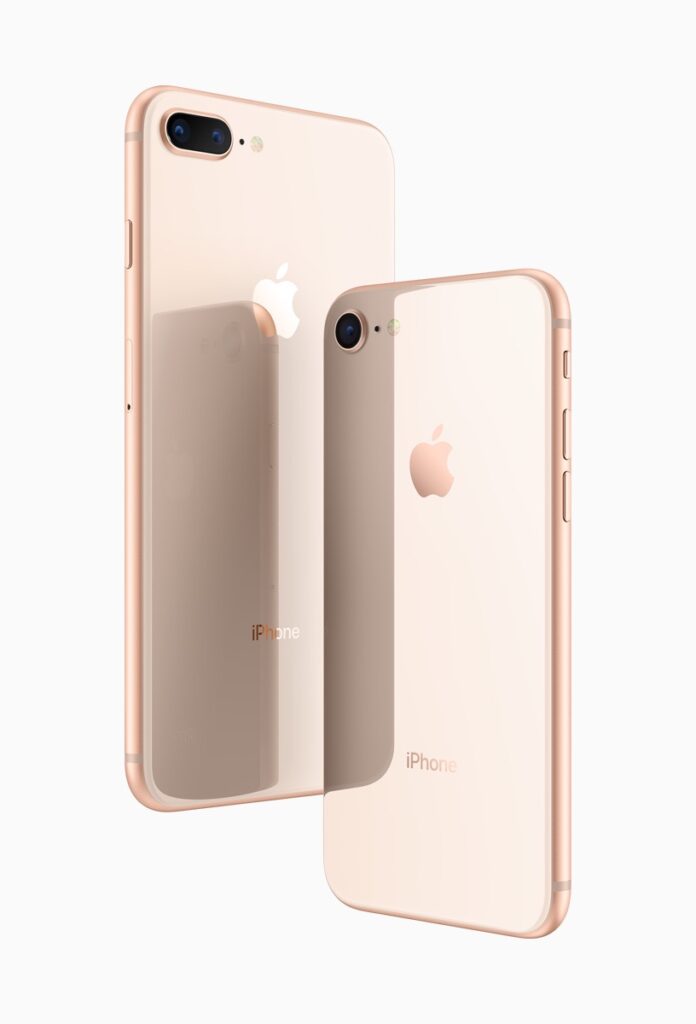
Growing up, I was not very interested in social media because I did not have a phone until I was twelve, only a month away from turning thirteen which was the Iphone 8 Plus. Before social media became part of my life, I was in love with painting. Painting gave me a way to express myself without worrying about how other people would react. I could choose the colors, create different images, and let my imagination guide me. There were no likes, comments, views, or followers attached to what I created. I painted because I enjoyed it, not because I wanted attention or approval from other people.
Getting my first phone changed the way I spent my free time. Shortly after I got it, I downloaded Snapchat and quickly became attached to the app. At that age, having a phone felt exciting because it gave me access to a completely different world. I could communicate with friends, take pictures, post about my day, and see what everyone else was doing. Social media became one of my main forms of entertainment, but I did not yet understand how strongly it could influence my confidence, behavior, and sense of privacy.
When I was in middle school, I would constantly post on Snapchat. I sometimes spammed my story with pictures, random thoughts, videos, and updates about my life. At the time, I did not think much about who was watching or how people might respond. I was still young and did not fully understand that once something is shared online, other people can screenshot it, save it, send it around, or talk about it without my knowledge. I treated social media like a personal diary, even though it was being viewed by many different people.
Because I posted so frequently, I became exposed to judgment at a young age. People could form opinions about me based on a short video, an awkward picture, or something I posted without thinking. Middle school is already a difficult time because many young people are trying to fit in and understand who they are. Social media can make that experience even harder because every mistake or embarrassing moment has the potential to become public. Instead of simply experiencing an awkward phase privately, young people may feel as though they are performing their lives in front of an audience.
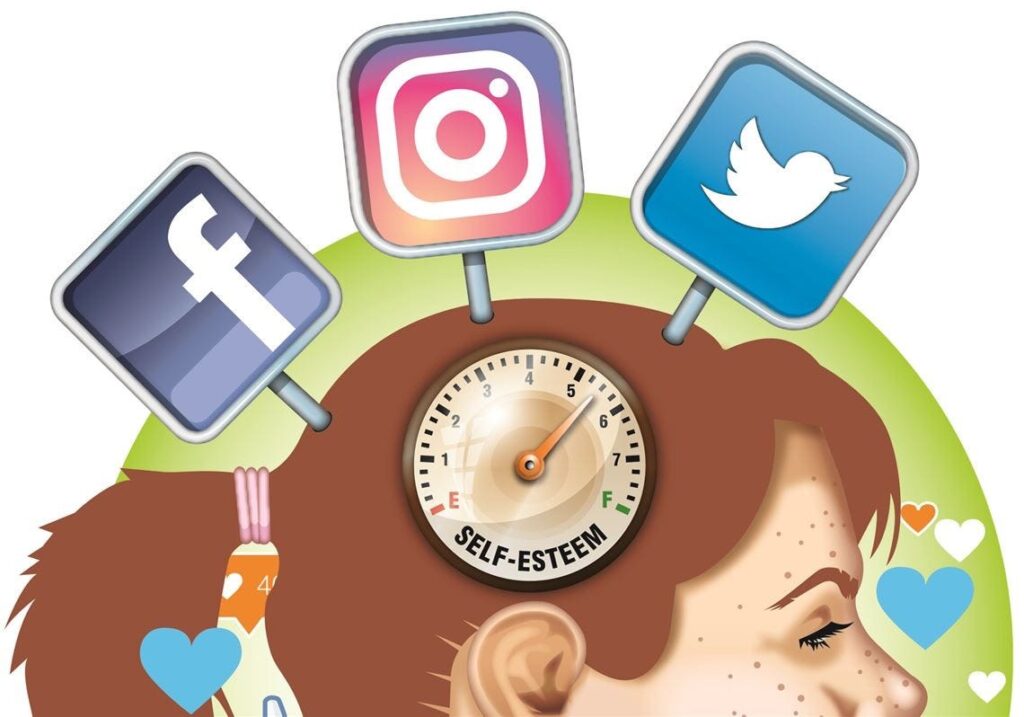
The pressure did not always come from direct comments. Sometimes it came from noticing who viewed my story, who responded, or who ignored what I posted. Social media can train people to search for validation through numbers and reactions. A person may begin to wonder why one post received more attention than another or why certain friends did not respond. Even when nobody says anything negative, the silence can still make someone question themselves. Entertainment stops being harmless when it begins controlling how a person feels about their appearance, friendships, or self-worth.
My need for validation became especially noticeable on Instagram. After posting a photo or story, I would repeatedly check the app, sometimes every few seconds, to see whether I had received any new likes or views. Instead of posting something and moving on with my day, I became obsessed with watching the numbers increase. The amount of engagement I received could affect my mood and influence how I felt about myself. If a post did not receive as many likes as I expected, I would wonder whether people disliked the photo or were judging me.
I would also spend long periods reviewing my own profile and replaying old Instagram stories. Sometimes, I would look through stories from six months earlier and repeatedly stare at the list of people who had liked or viewed them. It was almost as though I was trying to relive the attention I had received during that moment. Rather than enjoying a memory for what it was, I focused on how other people had reacted to it. Looking back, I realize that I was placing too much importance on numbers that did not truly measure the quality of my life, my appearance, or my relationships.
This behavior showed me how social media can turn ordinary moments into performances. I was no longer only taking pictures because I wanted to remember an experience. I was also thinking about whether the picture was attractive enough to post, how many people would respond, and whether it would make my life appear interesting. Social media made it difficult to separate genuine memories from the desire to be seen and validated by an audience.
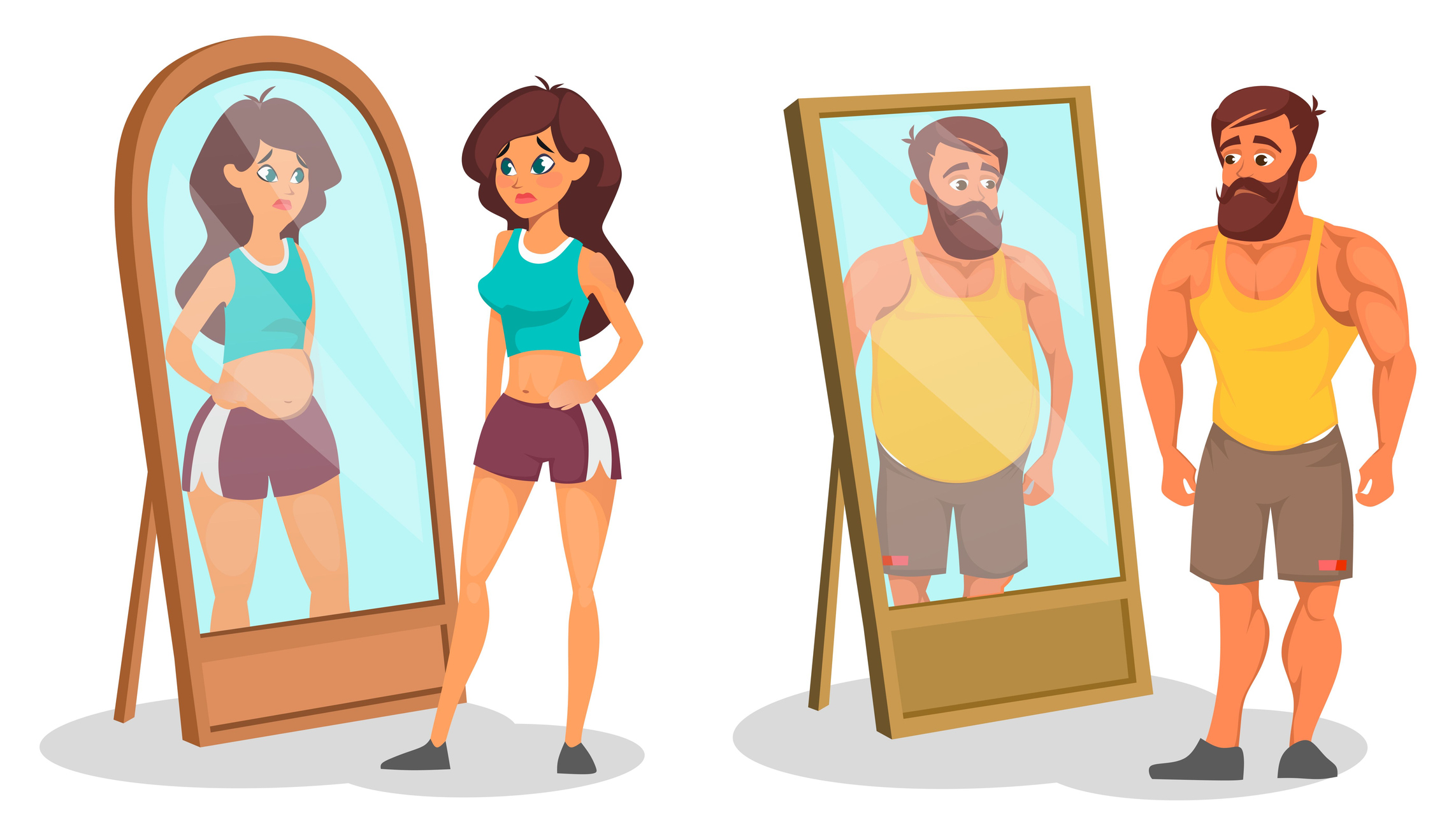
Social media also creates pressure to constantly show that something is happening in your life. People often post vacations, parties, relationships, achievements, expensive purchases, and exciting experiences. They rarely show the boring, lonely, uncomfortable, or disappointing parts of their lives. As a result, it can become easy to compare your complete life to somebody else’s carefully selected highlights. Even though I understood that people were only showing certain moments, seeing these posts could still influence how I viewed my own life.
Another issue was that I did not understand the importance of privacy. When I was younger, I believed that sharing everything helped people know me. As I became older, I realized that not everyone deserves access to every part of my life. Privacy is not the same as hiding or being dishonest. Privacy can be a form of protection. It gives people the opportunity to experience emotions, relationships, accomplishments, and difficult moments without immediately turning them into content.
It took me years to understand this lesson. After using Snapchat for approximately eight years, I eventually deleted it. Deleting an app that had been part of my daily routine for so long was a major decision. Snapchat had been present throughout much of my teenage life, so removing it meant changing a habit that had become normal to me. I no longer wanted to feel pressured to document every moment, maintain streaks, or constantly check what other people were doing.
Deleting Snapchat did not erase every insecurity or completely remove social media from my life. However, it helped me become more aware of my relationship with technology. I started thinking more carefully about why I was posting and what I hoped to receive from it. Was I sharing something because it was meaningful to me, or was I looking for attention? Was I enjoying an experience, or was I mainly thinking about how it would appear online? These questions helped me recognize that entertainment should add something positive to my life instead of taking control of it.
Entertainment itself is not necessarily harmful. Social media, television, movies, music, and other forms of media can help people relax, learn, connect, and feel understood. Social media can introduce people to new ideas and communities that they may not have access to in their everyday lives. It can help artists share their work, small businesses reach customers, and people stay connected across long distances. The problem begins when entertainment becomes an obsession or replaces creativity, real-life communication, and personal reflection.
Looking back, I sometimes think about the difference between painting and posting online. Painting allowed me to create something slowly and privately. Social media encouraged me to react quickly and share immediately. Painting taught me patience, while social media often encouraged instant gratification. One activity was focused on creating for myself, while the other sometimes made me focus too much on how I would be perceived by others.
This does not mean that I have to completely reject technology to reconnect with the person I was before getting a phone. Instead, I can create healthier boundaries. I can choose what I share, limit the time I spend scrolling, and remind myself that I do not need to document everything. I can also make space for hobbies that do not involve an audience. Painting, writing, walking, reading, or simply spending time alone can be meaningful even when nobody else sees them.
My experience taught me that entertainment has the power to shape a person’s habits and identity, especially when they are young. At twelve years old, I did not understand that downloading one app could influence the way I communicated, viewed privacy, and searched for validation. Now, I understand that I have more control over what I consume and what I allow other people to see.
Deleting Snapchat after eight years represented more than removing an application from my phone. It represented growth. I was letting go of the belief that I needed to constantly update other people about my life. I began recognizing that some of the most important moments do not need to be photographed, posted, or explained. They can simply be experienced.
Entertainment will always influence society, but we can decide how much influence it has over our individual lives. Social media can be a useful tool, but it should not determine our confidence or replace our sense of identity. Learning to protect my privacy and become more intentional about what I share has helped me develop a healthier relationship with the online world. I am still learning, but I now recognize that my life does not become more valuable simply because other people can see it.

Need a pastry in the morning look no further than Colombe Coffee available with your student ID for 20%
By Aaron Newman
Aaron Newman is an Education Studies major minoring in Digital Studies. Originally from Fort Lauderdale, he writes about relationships, entertainment and fashion. He also writes about the hardship and being optimistic about his struggles and looking forward to the present and future.
For over 25 years, the Campus Clipper has helped college students in New York City—and later in Boston and Philadelphia—save money and succeed in city life. We offer a digital coupon booklet with discounts on food, clothing, and services, plus an Official Student Guidebook with real advice on how to navigate college life in a big city. Our internship program lets students build skills, earn money, and publish their own e-books. Follow us on Instagram and TikTok @CampusClipper, and sign up for our newsletter to get deals straight to your inbox. To access the digital coupons, scan the QR code on our printed card—available in dorms, student centers, and around campus.
