Growing up in an American-Israeli family, I was surrounded by both big ideas and small, everyday gestures that shaped my sense of responsibility. My parents didn’t just talk about being proud of our Jewish identity or respecting elders they showed it, whether it was by inviting neighbors for holiday meals or pausing to greet elderly community members in the street. These moments, sometimes ordinary and sometimes memorable, wove values into the fabric of my daily life.
Our house was always a jumble of languages: English in the kitchen, Hebrew for homework help, and Yiddish when my grandparents wanted to tell secrets. Learning Hebrew didn’t just mean memorizing words; it meant being able to join in family jokes or read prayers out loud at synagogue. My parents insisted we celebrate holidays together, no matter how busy we were. Sukkot stands out in my memory: I can still picture us hanging decorations on the sukkah while my dad told stories about his own childhood. These moments helped me appreciate my heritage in a real, hands-on way, not just as an abstract idea.
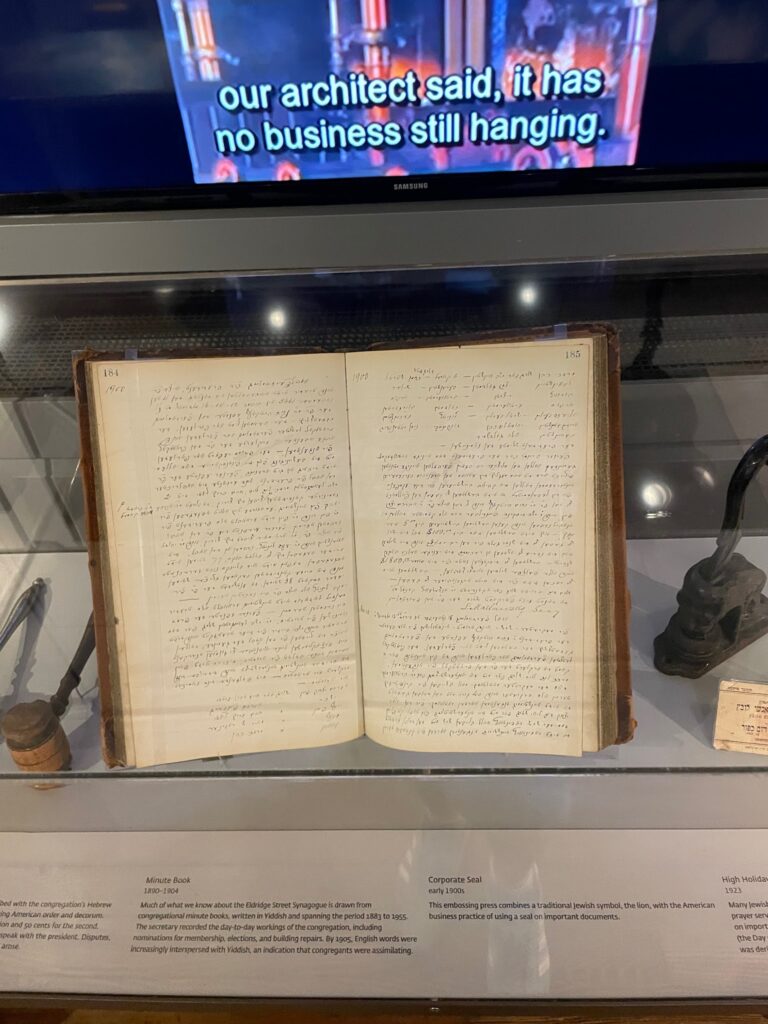
Respect for elders wasn’t just a rule, it was part of daily life. I learned early on that listening to my grandparents’ stories wasn’t optional; it was expected. My great-grandmother, for example, used to sit at our table and speak about her journey to America, often while peeling apples for dessert. Hearing about the difficulties she faced gave me a bigger sense of perspective, especially when I felt frustrated by things that now seem trivial in comparison.
Responsibility started small: drying dishes, taking out the trash, checking on my younger brother’s homework. At the time, I just wanted to finish quickly so I could play video games, but looking back, those chores taught me the basics of being accountable and sticking with commitments. My parents let me know that it wasn’t just about getting things done, but about building habits that would stick with me as I got older even if I didn’t appreciate it then.
School was another place where responsibility played a major role. I was expected to put effort into my academics and work hard, even when subjects were difficult. Like many students, I experienced both successes and challenges throughout my education. Learning to manage schoolwork, extracurricular activities, and personal responsibilities taught me that success often comes from consistency and determination rather than perfection.
Kindness was something my parents talked about a lot, but putting it into practice was sometimes messy. I dealt with bullying at school, something I rarely talked about at home. I never understood why some kids could be so cruel, and even now, I sometimes wonder if there was something I could have done differently. I always wanted to believe that people could change, which meant I forgave people more than once, even when it hurt. Looking back, I realize I sometimes put up with things longer than I should have, thinking that being kind meant never standing up for myself.
Those experiences forced me to rethink what kindness and forgiveness really meant. I learned, sometimes the hard way, that being kind doesn’t mean letting people walk all over you. Forgiveness might help you move on, but it doesn’t mean you have to forget or let it happen again. Setting boundaries was something I only figured out later, but now I see it as another kind of responsibility to myself.
As I got older, responsibility stopped being about chores or homework and started being about my own choices. I made mistakes—sometimes big ones—and had to learn from them. Responsibility meant owning up to those mistakes, but also being willing to grow. It also meant figuring out how to balance my family’s values with my own opinions about the world.
The values I grew up with—pride in my heritage, respect for others, kindness, and responsibility—are still at my core, but life has taught me that these things aren’t always simple. Sometimes, they mean making tough choices or admitting I don’t have all the answers. It’s a work in progress, and I’m learning to be okay with that.
Looking back, I’m thankful for both the lessons my family taught me and the times those lessons were put to the test. The good and the hard moments have shaped who I am. As I head into college and whatever comes next, I know I’ll lean on these values—even as I keep figuring out what they really mean for me.
Of all our family traditions, Sukkot was the one I waited for every year. It wasn’t just a religious holiday, it was a chance for our house to become a hub of laughter, stories, and, sometimes, total chaos. Our sukkah looked a bit different every year, covered in paper chains, old family photos, and prayers scribbled in both Hebrew and Yiddish. Friends and neighbors drifted in, and the kitchen turned into an assembly line for schnitzel, steak, salmon, and a dozen different salads. Those nights felt magical, with everyone crowded together, sharing stories long after the meal was over.
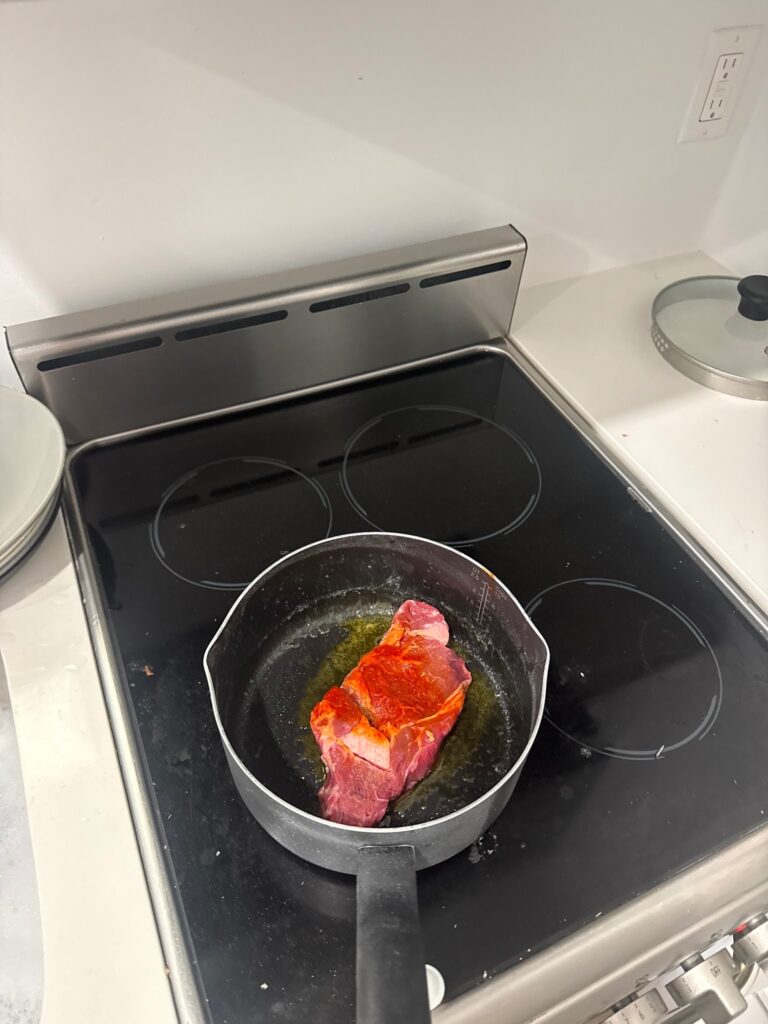
When I was little, I only knew that Sukkot meant staying up late and eating good food with lots of people. But as I got older, I started to realize it was really about opening your doors, making space for others, and making sure everyone felt like they belonged. Watching my parents welcome guests, even when it meant more work, taught me that responsibility isn’t just chores or grades; sometimes, it’s about making other people feel at home.
Looking back, those nights under the sukkah shaped me as much as anything else. They connected me to my Jewish heritage in a way no lesson or textbook ever could, and they taught me that some of the best moments in life happen when you’re surrounded by family, friends, and community.
By Aaron Newman
Aaron Newman is an Education Studies major minoring in Digital Studies. Originally from Fort Lauderdale, he writes about relationships, entertainment and fashion. He also writes about the hardship and being optimistic about his struggles and looking forward to the present and future.
For over 25 years, the Campus Clipper has helped college students in New York City—and later in Boston and Philadelphia—save money and succeed in city life. We offer a digital coupon booklet with discounts on food, clothing, and services, plus an Official Student Guidebook with real advice on how to navigate college life in a big city. Our internship program lets students build skills, earn money, and publish their own e-books. Follow us on Instagram and TikTok @CampusClipper, and sign up for our newsletter to get deals straight to your inbox. To access the digital coupons, scan the QR code on our printed card—available in dorms, student centers, and around campus.
