
The psychology behind winning and losing in casinos
The allure of gambling
The world of casinos is often painted as a land of fortune, where dreams can come true with a single spin of a wheel or flip of a card. This allure is deeply rooted in psychology, primarily due to the thrill associated with risk-taking. Many individuals are attracted to the excitement and uncertainty of gambling, which triggers a rush of dopamine, the neurotransmitter linked to pleasure and reward. This biochemical reaction can create a compelling desire to chase wins, especially when consulting a list of uk betting sites for the best options, and the exhilarating feeling that accompanies it.
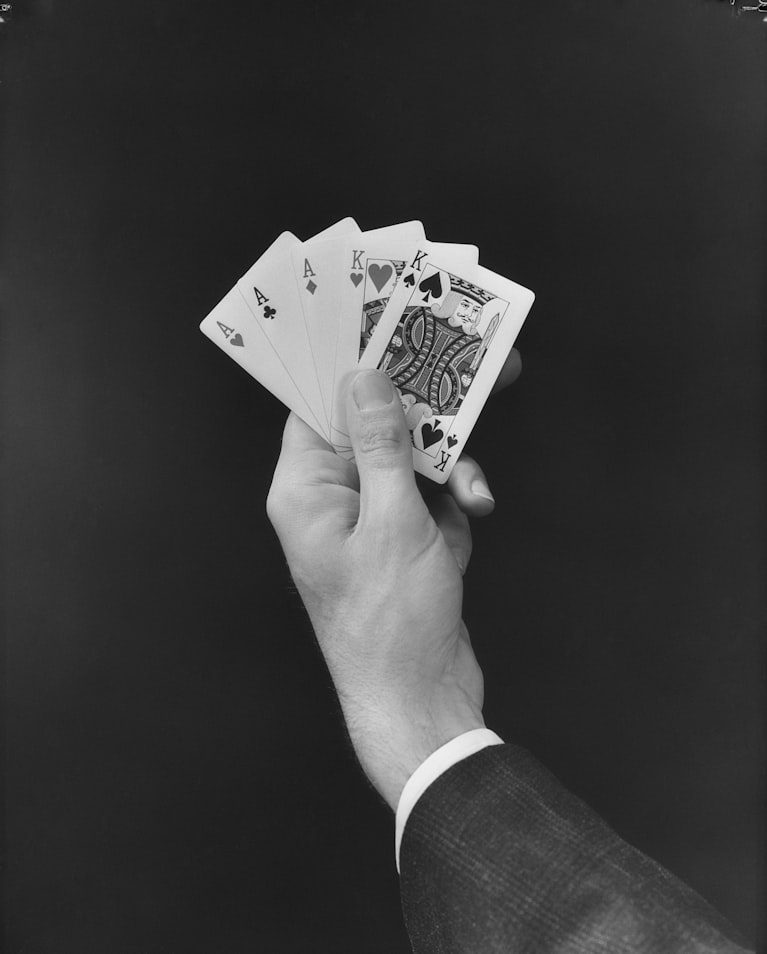
The influence of social dynamics plays a significant role in the appeal of casinos as well. The communal environment often enhances the overall experience, turning individual games into social events. Observing others win can stir up feelings of envy and competitiveness, motivating players to participate. The psychological concept of social proof suggests that when individuals see others engaging in a behavior, they are more likely to engage in that same behavior themselves, leading them deeper into the casino atmosphere.
Moreover, casinos are designed to exploit psychological principles to keep players engaged. Elements like bright lights, vibrant colors, and enticing sounds create an immersive experience that can lead players to lose track of time and money. This intentional design taps into human psychology, making it easier for individuals to become engrossed in the gambling environment, often resulting in larger losses than initially intended.
The role of luck versus skill
The dichotomy of luck and skill is central to the psychology of gambling. In games of pure chance, like slot machines and roulette, players are often drawn to the idea that luck can turn in their favor at any moment. This belief can lead to a phenomenon known as the “gambler’s fallacy,” where individuals mistakenly think that past outcomes can influence future results. This misjudgment can keep players in a cycle of playing, convinced that a win is just around the corner.
Conversely, games that require skill, such as poker and blackjack, attract individuals who believe they can influence the outcome through their knowledge and strategy. The psychological appeal here lies in the feeling of control and the ability to outsmart opponents. Skilled players often enjoy the competitive aspect, where their ability to analyze, read opponents, and strategize can lead to success. This engagement fosters a sense of achievement that pure luck-based games may not provide.
In summary, understanding the balance between luck and skill is crucial for gamblers. Those who lean heavily on luck may face significant losses, trapped in a cycle of false hope, while those who leverage skill may experience more consistent outcomes. Recognizing these dynamics can shape how individuals approach their gambling habits and the psychological impacts they experience as a result.
Emotional highs and lows of gambling
Gambling induces a wide range of emotions, which can have profound psychological effects on players. Winning brings an exhilarating rush, often leading to feelings of euphoria and invincibility. This emotional high can encourage further betting, as players chase the excitement and adrenaline that comes with winning. However, this can lead to a dangerous cycle, where the desire for that emotional high overshadows rational decision-making.
On the flip side, losses can lead to a significant emotional toll. The feelings of disappointment and frustration can be overwhelming, often triggering a desire to “chase” losses through further betting. This behavior can result in a destructive cycle of escalating bets, creating a paradox where players dig themselves deeper into financial and emotional despair. Understanding these emotional fluctuations is vital for maintaining a healthy approach to gambling.
Additionally, the emotional response to gambling can be compounded by societal perceptions and stigma surrounding it. Players may feel shame or embarrassment about their losses, leading to isolation and further psychological distress. Addressing these emotional aspects of gambling is critical for fostering a balanced and responsible gambling environment, where players can enjoy the experience without succumbing to the psychological traps that can lead to harmful behaviors.
Strategies for responsible gambling
Recognizing the psychological influences at play in gambling is the first step toward responsible betting. Players should establish clear limits on how much they are willing to spend and adhere strictly to those limits. This practice not only protects their finances but also helps maintain a healthier psychological state, reducing the risks of chasing losses or becoming overly immersed in the gambling experience.
Implementing a strategy that combines budgeting with self-awareness can further enhance responsible gambling practices. Individuals should monitor their emotional responses during play and take breaks when they feel overwhelmed or overly excited. Engaging in mindfulness practices, such as deep breathing or grounding exercises, can help players remain aware of their emotional state and make more rational decisions.
Educating oneself about the odds of various games can also contribute to responsible gambling. Understanding the mechanics of each game, recognizing the house edge, and acknowledging the role of chance can demystify the gambling experience. This knowledge empowers players to make informed decisions, reducing the psychological hold that casinos can exert through misleading perceptions of winning.

Your guide to responsible gambling
On our website, we emphasize the importance of understanding the psychological aspects of gambling and provide comprehensive resources for responsible gaming. We aim to help both novice and seasoned gamblers recognize the emotional and psychological dynamics at play in casinos. Our guides and articles are designed to educate players about the risks and rewards associated with gambling while encouraging a balanced approach.
By utilizing our resources, users can make informed choices that align with their gaming goals and personal limits. We believe that responsible gambling is not only possible but essential for enjoying the thrilling experience that casinos offer. With a focus on education and self-awareness, our website serves as a trusted platform for navigating the complex world of gambling.
Join us in exploring the fascinating intersection of psychology and gambling, and discover how to enhance your gaming experience while minimizing risks. Together, we can promote a healthier, more informed approach to gambling in a landscape filled with excitement and potential.
